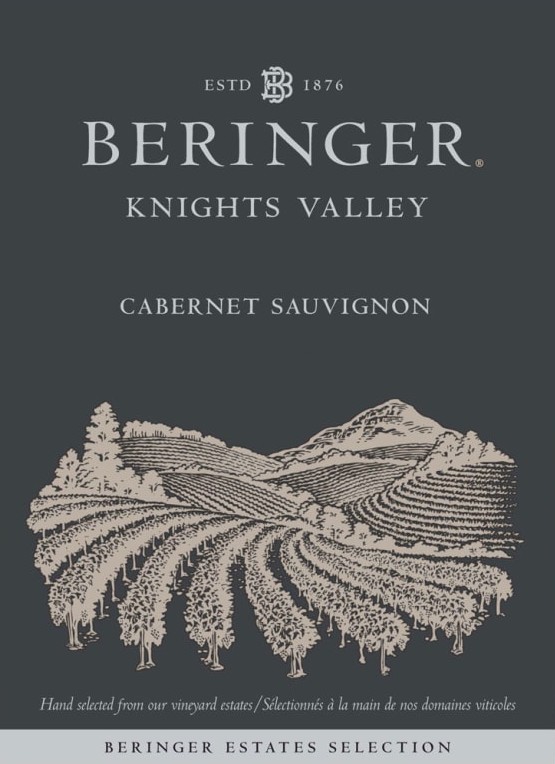
Beringer Knights Valley Cabernet Sauvignon 2019

Cabernet Sauvignon from Sonoma County, California

Cabernet Sauvignon 87%, Merlot 8%, Cabernet Franc 2%, Malbec 2%, Petit Verdot 1%

Purchase Price ~$40 (Gift)

James Suckling 94, Wine & Spirits 92, Robert Parker 90, ElsBob 91

ABV 14.5%

A dense deep ruby with a pale red rim. Full-bodied wine with aromas of cherries, blackberries, with hints of lavender and spice. On the palate, approachable tannins, crisp acidity, and beautiful long finish. A wine made to enjoy with ribeyes and filets.

An excellent fine wine at a slightly elevated price. The wine is hard to find but Beringer still offers it for sale on their website for $24 (half bottle).

Trivia: Knights Valley, originally known as Mallacomes Valley, was granted to José de los Santos Berryessa by the Mexican governor in 1843. In 1853, Thomas B. Knight, a native of Maine and a veteran of the Bear Flag Revolt of 1846, purchased much of Berryessa’s ranch. Knight renamed it Rancho Muristood and planted vineyards, fruit trees, and wheat. Mallacomes Valley gradually became known as Knights Valley. After Knight’s death in 1881, the property passed through numerous hands, and much of the land reverted to small farms and cattle ranches. By the mid‑20th century, viticulture returned when Beringer bought large tracts of land in the valley and initially focused on Cabernet Sauvignon and other Bordeaux varietals. They released their first Knights Valley wine in 1974.

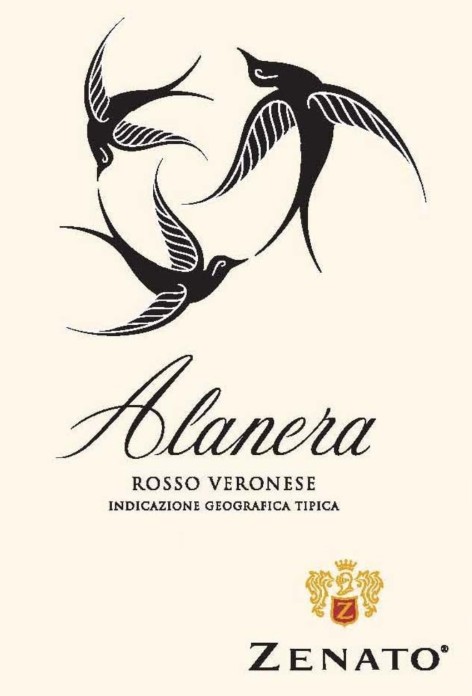
Zenato Alanera Rosso 2020

Red Blends Other from Veneto, Italy

Corvina 70%, Rondinella 10%, Corvinone 10%, Merlot and Cabernet Sauvignon 10%

Purchase Price: $15.99

Wine Enthusiast 90, ElsBob 91

ABV 13.5%

A medium garnet with a tawny rim in color. A medium-bodied wine with aromas of cherries and coffee. On the palate a touch of sweetness and plums, easy tannins and an acidity that provides a refreshing finish.

An excellent table wine at very nice price. Current price is about $17.00.

Trivia: Veneto wine region of northeastern Italy stretches from the canals of Venice to the Alpine foothills. Viticulture here dates to Roman times, with early vineyards tended by local tribes. During the height of the Venetian Republic, paralleling the fortunes of Florentine Renaissance, Veneto became a hub for wine blending and trade, shipping its product throughout the Mediterranean Basin, Byzantine and Ottoman Territories, Northern Europe, and along the Silk Road all the way to Mongolia. This hemispheric reach not only spread winemaking techniques but elevated the reputation of Veneto wines.

At the end of Republic in the 1797 winemaking was in a slow, constant decline. The erosion of trade routes, driven by the Republic’s ossified and hidebound bureaucracy and maritime collapse, decimated the region’s commercial infrastructure. Recovery began in the late 18th and into the 19th century, not as a revival of trans-national trade but as a scientific and agrarian rebirth. Improved farming techniques and increased vineyard plantings were initially focused on local consumption. Today, Veneto is Italy’s top wine-producing region, accounting for roughly 25% of the country’s output and over 35% of its exports. Prosecco and Pinot Grigio occupy the region’s power positions in volume, anchoring its global presence.

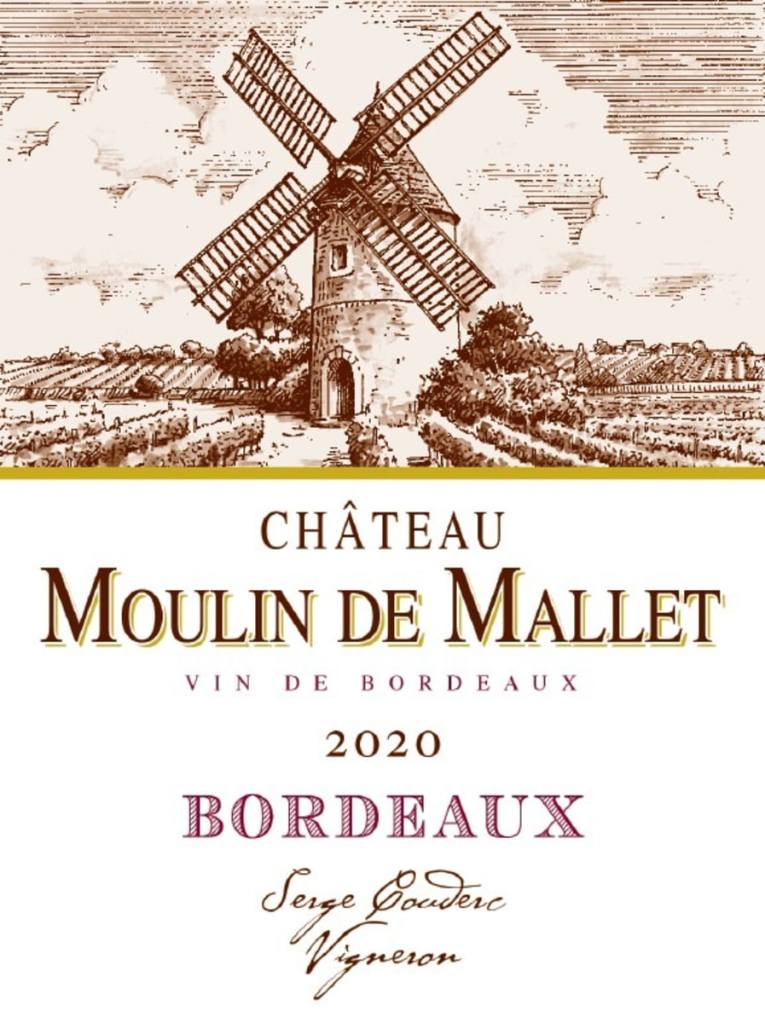
Chateau Moulin de Mallet 2020

Bordeaux Red Blends from Bordeaux, France

Merlot 90%, Cabernet Sauvignon 10%

Purchase Price: $12.98

Wine Enthusiast 90, ElsBob 86

ABV 14%

A deep garnet to deep ruby wine, with aromas of black fruits, medium bodied, strong tannins verging on overpowering and acidic.  Sub 90 wines always go better with spicy or tomato-based appetizers such as meatballs in a marinara sauce or aged cheeses such as cheddar, blue, or Gouda.

A good wine at an elevated price. I wouldn’t pay more than $8-9 for this wine. Currently the wine ranges from $12-15.

Trivia: In the 17th century, the Médoc, now home to legendary estates like Château Margaux and Château Latour, was a marshland, better known for corn than Cabernet. Dutch masters of hydraulic engineering and maritime trade drained the swamps, transforming them into arable land ideal for vineyards. Their aim was strategic rather than altruistic: to buy Bordeaux wine and sell it to the English at a modest profit, or a ludicrous one, if the winds blew favorably.

Windmills pumped water into manmade canals that emptied into the Gironde estuary, terraforming the landscape into a system of trade, terroir, tale, and endless lore. Though water management continues today, steam and electric pumps have long replaced the windmills. Most were dismantled or left to decay, their blades stilled by steam and electric pumps.

One survivor, the restored 18th-century Moulin de Lansac and another, depicted on the wine label shown above, Moulin de Mallet, were not water-pumpers but grain-grinders. Moulin in French translates to grain-grinder, turning wind into flour rather than marsh into vineyard. Still, it stands as a quiet admission of simpler times.

Dutch windmills turning. Pleistocene gravels emerging. French vines growing.

Like the circles that you find in the windmills of your mind “ by Noel Harrison, The Thomas Crown Affair, 1968.

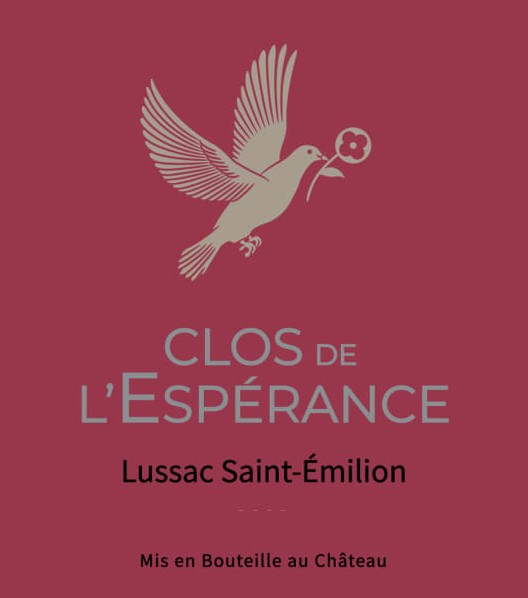
Cols de l’Esperance Lussac Saint-Emilion 2023

Bordeaux from Bordeaux, France

Merlot 100%

Purchase Price: $14.99

Vinous 92, James Suckling 92, Wilfred Wong 91, ElsBob 90

ABV 14.0%

A dark ruby to a dark purple wine with aromas of cherry and a touch of vanilla; medium bodied, smooth tannins, dry, with short to medium finish. This wine will pair well with ambrosial aromas such as lamb but stay clear of overly spicy foods.

An excellent fine wine at a great price. You should let this vintage sit for another year or two and hopefully it will develop a little more character. Cheers.

Note: The label does not explicitly mention that this wine is 100% Merlot, nor does it say it’s a Bordeaux. The retail shops refer to this wine as a Bordeaux and the only grape it mentions on its label is Merlot–the only varietal that the Clos de l’Esperance vineyard grows. Lussac-Saint-Emilion is a wine appellation located in the Bordeaux region and as such it can be called a Bordeaux.

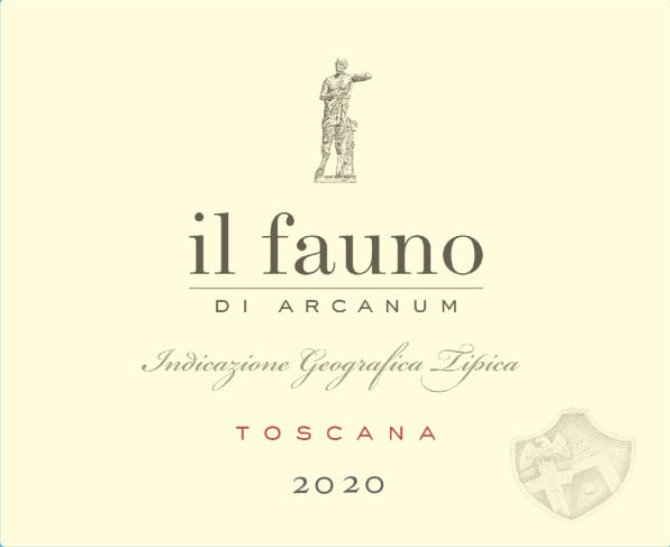
Tenuta di Arceno Il Fauno di Arcanum 2020

Bordeaux from Tuscany, Italy

Merlot 41%, Cabernet Franc 34%, Cabernet Sauvignon 20%, Petit Verdot 5%

Purchase Price: $87.00 (Restaurant)

James Suckling 93, Wine Spectator 93, Jeb Dunnuck 92, Robert Parker 92, ElsBob 92

ABV 14.5%

Aromas of black cherry and plum; full-bodied and dry with a silky tannic finish. Pairs well with ribeye, filet, grilled vegetables, or desserts like cannoli and tiramisu. We enjoyed it with osso boco on garlic mashed potatoes – delicious. Also ideal for sipping on a shady patio on a warm afternoon.

An excellent fine wine priced slightly under the median for 92-point wines (retail ~$52).

Trivia: A Faun (Fauno in Latin) is a half-human, half-goat creature in Greek and Roman mythology with hairy legs, pointed ears, a tail, and human arms. The most famous faun is Pan, the Greek god of nature, known for playing a flute, his sexual prowess, and joking attitude.

Top Six Wine Varietals by Volume Sales in the US for 2024

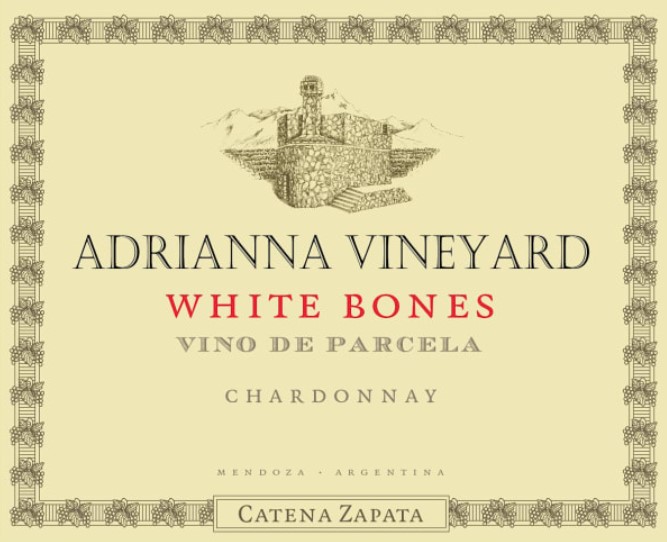
  1. Chardonnay – The white for the win. Chardonnay is the most planted grape in the world. Wine label shown is a 98-100 rated 2022 Chardonnay from Argentina priced around $140.
  2. Cabernet Sauvignon – Always popular, this red comes in a close second. The grape is a cross between Cabernet Franc and Sauvignon Blanc.
  3. Pinot Grigio/Gris – A dry, acidic favorite among white wine enthusiasts. Pinot Grigio and Pinot Gris are the same grape, just with an Italian and French name, respectively.
  4. Merlot – High sales volume but not necessarily high dollar amounts compared to other wines on this list. Merlot is more affordable due to higher yields, it can grow almost anywhere, and it doesn’t need to be aged as long as Cabernet Sauvignon.
  5. Sauvignon Blanc – Increasing in popularity every year. A lighter-bodied white with more acidity than Chardonnay.
  6. Pinot Noir – Consumers love this wine’s complex flavors. It’s a medium dry, medium-bodied wine that ages well and makes for a nice sipping wine.

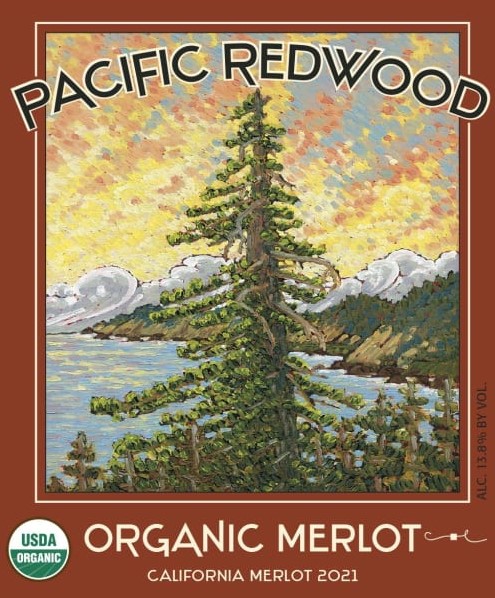
Pacific Redwood Organic Merlot

Merlot from California

84% Merlot, 16% Carignane

Purchase Price: $13.99

Wine Enthusiast 90, ElsBob 89

ABV 13.8%

Aromas of red fruits, cherries on the palate, medium-bodied, smooth, with a short finish. Will go well with vegetables, pizza, and pasta. An easy sipping wine best served slightly chilled.

A very good table wine at a slightly elevated price.

Trivia: Label is from an 18”x24” oil painting by Andrew Power titled “Pacific Redwood”, 2008-2009.

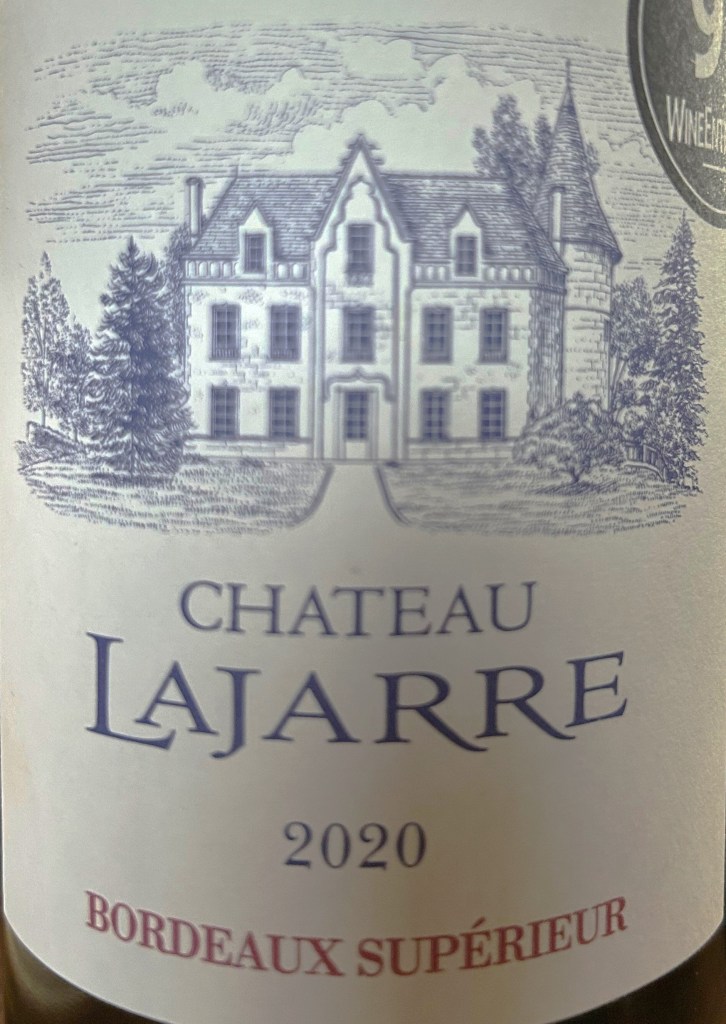
Chateau Lajarre Bordeaux Superieur 2020

Bordeaux Red Blend form Bordeaux, France

80% Merlot, 20% Cabernet Franc

Purchase Price: $14.99

Wine Enthusiast 87-91, ElsBob 88

ABV 13.5%

Aromas of black fruits, smooth, slightly acidic, medium bodied with a short finish. Will pair well with beef, pasta, and cheese. Serve slightly chilled.

A very good table wine at an elevated price. Probably not worth paying more than $12.

J. Lohr Seven Oaks Cabernet Sauvignon 2021

Cabernet Sauvignon from Paso Robles, Central Coast, California.

79% Cabernet Sauvignon, 12% Petite Sirah, 4% Petite Verdot, 3% Merlot, and 2% Malbec

Purchase Price: $17.99

James Suckling 91, Tasting Panel 91, ElsBob 90.

ABV 14%

Deep ruby trending purple in color, blackberries oak and vanilla aromas, full-bodied, dry, full tannins. An excellent wine to serve with beef cuts or just sipping it to unwind at the end of the workday.

A fine California wine under $20. A 90-point wine generally sells at a mean (average) price of $40.

Chateau Dalem 2020

Bordeaux Red Blends from Fronsac, Bordeaux, France.

90% Merlot and 10% Cabernet Franc.

Purchase Price: $22.97

Ratings: James Suckling 94, Robert Parker 93, Vinous 93, Decanter 92, Jeb Dunnuck 91, Wine Spectator 91, ElsBob 90.

ABV: 14.5%

A deep ruby to black in color, aromas of plums, cherries, and blackberries, dry, medium-to-full-bodied, with a medium finish.

Pairs well with fish, poultry, and vegetables.

An excellent wine at a slightly elevated price.