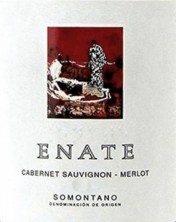
Bordeaux Red Blends from Somontano, Spain
Cabernet Sauvignon 50%, Merlot 50%
Purchase Price: $19.99
James Suckling 90, ElsBob 91
ABV 14.5%
A deep ruby wine with touches of cherry, dark fruits, and chocolate. Medium-full bodied with a wonderful balance between the tannins and acidity. Very smooth with a very nice long finish.
An excellent fine wine at a wonderful price. Buy a case if you can find it. Current prices range from $19-24.
Through the Grapevine: When the root‑louse phylloxera devastated French vineyards in the 1860s–1880s, the worst‑hit regions were Bordeaux, Languedoc, and Southwest France. The phylloxera bug is a tiny root‑feeding insect whose saliva prevents a grapevine from healing, and it caused widespread destruction throughout Europe, but French vineyards were hit especially hard. When the insect feeds, it creates swollen, necrotic wounds on the fine roots, disrupting the plant’s ability to move water and nutrients.
A healthy Vitis vinifera vine has no evolutionary defenses against this kind of attack, so the damage compounds quickly. The roots deform, the vascular tissue collapses, and the plant begins to starve from the root up. The insect doesn’t need to kill the vine outright; it just needs to keep feeding, and the point of no return creeps closer with every bite.
Once the roots are compromised, the soil fungi arrive. They’re not really the villains. More like the cleanup crew. Species like Pythium and Fusarium slip into the open wounds and accelerate the decay, breaking down the already‑dying tissue. To 19th‑century growers, this looked like a fungal blight, because the visible rot was fungal. But the fungus was only there because the insect had already done the fatal work.
In courtroom terms, phylloxera is the primary causal agent. The one with the means, motive, and the opportunity. The fungi are merely opportunistic actors who move in after the bug and ‘the damage done’, bystanders partaking in free food. Right place at the right time but innocent.
After the devastation, tens of thousands of growers, merchants, and winemakers lost everything. Many fled across the Pyrenees into northern Spain, the closest safe viticultural zone where they could continue their trade. Somontano was perfectly positioned for the migrating vintners: close to the French border, blessed with high‑altitude vineyards, and full of vine‑loving, crappy soils that were bug‑free at the time. They brought with them Bordeaux grape varieties, winemaking skills, commercial networks, and high expectations.
The French influence permanently changed Somontano. Before phylloxera, it was a local, rustic wine region. With the influx of French expertise, it became more technical, more international, and unmistakably Bordeaux‑centric. Today Bordeaux varieties feel native to Somontano. The only thing that really changed was the language.
 elsToday