Top Six Wine Varietals by Volume Sales in the US for 2024

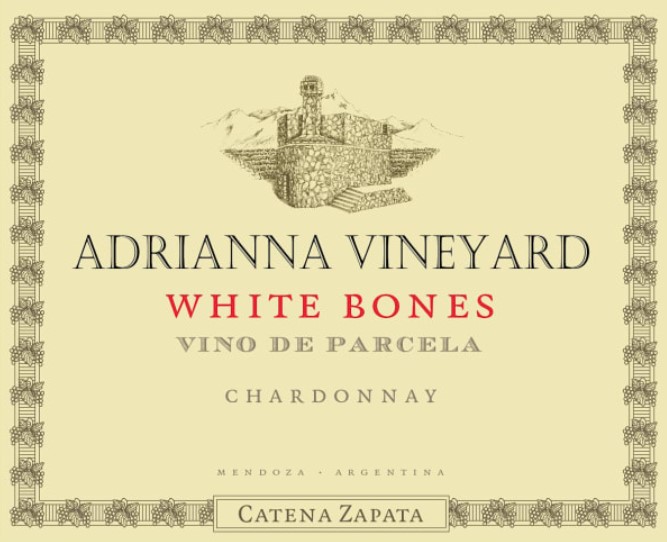
  1. Chardonnay – The white for the win. Chardonnay is the most planted grape in the world. Wine label shown is a 98-100 rated 2022 Chardonnay from Argentina priced around $140.
  2. Cabernet Sauvignon – Always popular, this red comes in a close second. The grape is a cross between Cabernet Franc and Sauvignon Blanc.
  3. Pinot Grigio/Gris – A dry, acidic favorite among white wine enthusiasts. Pinot Grigio and Pinot Gris are the same grape, just with an Italian and French name, respectively.
  4. Merlot – High sales volume but not necessarily high dollar amounts compared to other wines on this list. Merlot is more affordable due to higher yields, it can grow almost anywhere, and it doesn’t need to be aged as long as Cabernet Sauvignon.
  5. Sauvignon Blanc – Increasing in popularity every year. A lighter-bodied white with more acidity than Chardonnay.
  6. Pinot Noir – Consumers love this wine’s complex flavors. It’s a medium dry, medium-bodied wine that ages well and makes for a nice sipping wine.

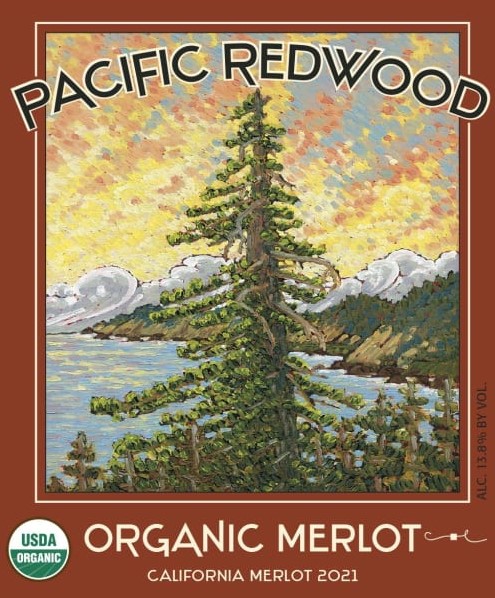
Pacific Redwood Organic Merlot

Merlot from California

84% Merlot, 16% Carignane

Purchase Price: $13.99

Wine Enthusiast 90, ElsBob 89

ABV 13.8%

Aromas of red fruits, cherries on the palate, medium-bodied, smooth, with a short finish. Will go well with vegetables, pizza, and pasta. An easy sipping wine best served slightly chilled.

A very good table wine at a slightly elevated price.

Trivia: Label is from an 18”x24” oil painting by Andrew Power titled “Pacific Redwood”, 2008-2009.

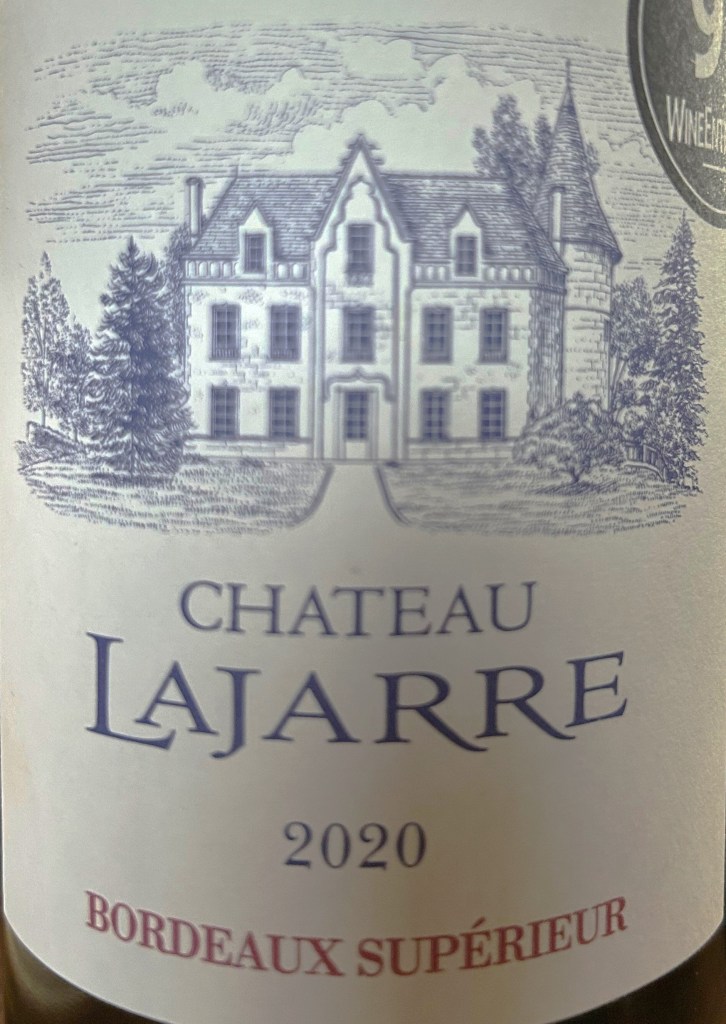
Chateau Lajarre Bordeaux Superieur 2020

Bordeaux Red Blend form Bordeaux, France

80% Merlot, 20% Cabernet Franc

Purchase Price: $14.99

Wine Enthusiast 87-91, ElsBob 88

ABV 13.5%

Aromas of black fruits, smooth, slightly acidic, medium bodied with a short finish. Will pair well with beef, pasta, and cheese. Serve slightly chilled.

A very good table wine at an elevated price. Probably not worth paying more than $12.

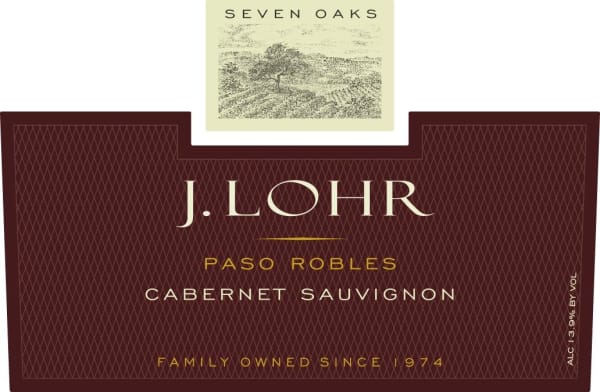
J. Lohr Seven Oaks Cabernet Sauvignon 2021

Cabernet Sauvignon from Paso Robles, Central Coast, California.

79% Cabernet Sauvignon, 12% Petite Sirah, 4% Petite Verdot, 3% Merlot, and 2% Malbec

Purchase Price: $17.99

James Suckling 91, Tasting Panel 91, ElsBob 90.

ABV 14%

Deep ruby trending purple in color, blackberries oak and vanilla aromas, full-bodied, dry, full tannins. An excellent wine to serve with beef cuts or just sipping it to unwind at the end of the workday.

A fine California wine under $20. A 90-point wine generally sells at a mean (average) price of $40.

Chateau Dalem 2020

Bordeaux Red Blends from Fronsac, Bordeaux, France.

90% Merlot and 10% Cabernet Franc.

Purchase Price: $22.97

Ratings: James Suckling 94, Robert Parker 93, Vinous 93, Decanter 92, Jeb Dunnuck 91, Wine Spectator 91, ElsBob 90.

ABV: 14.5%

A deep ruby to black in color, aromas of plums, cherries, and blackberries, dry, medium-to-full-bodied, with a medium finish.

Pairs well with fish, poultry, and vegetables.

An excellent wine at a slightly elevated price.

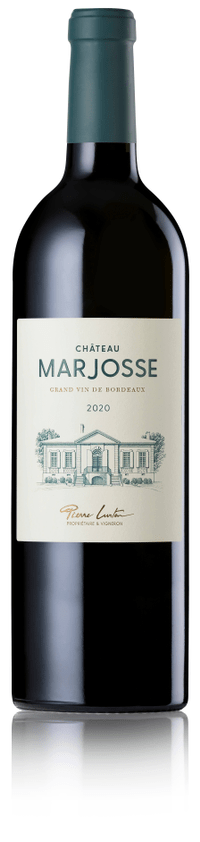
Chateau Marjosse Bordeaux 2020

Bordeaux Red Blend from Bordeaux, France

14.5% alcohol

Purchased: 18 August 2023 – $14.99

Opened: 22 January 2024

els:  9.0/10

James Suckling:  90

Decanter:  91

Marjosse is my secret garden. It gives me energy. It is important for me to have this place and share it.” – Pierre Lurton.

This is a medium-bodied, deep-reddish purple Bordeaux with scents of plums and blackberries. It is a merlot heavy blend with secondary amounts of cabernet sauvignon, cabernet franc and malbec. This is a outstanding wine at a good price.

Chateau Marjosse is a right bank Bordeaux vineyard in the Entre Deux Mers appellation, owned and operated by Pierre Lurton. The vineyard is just under 124 acres, planted mostly in merlot. Smaller portions of cabernet franc, cabernet sauvignon, sauvignon blanc, semillon, chardonnay, old vine malbec and muscadelle. For the red wine, the planted varieties of grape are 80% merlot, 10% cabernet sauvignon, 10% cabernet franc, and a smidgen of malbec. There are three main soil types: sand and red clay, sand and white clay, and limestone. The vines are planted on sloping hillsides, rising almost one thousand feet above sea level. (The above quote is from The Wine Independent article published in February 2023.)

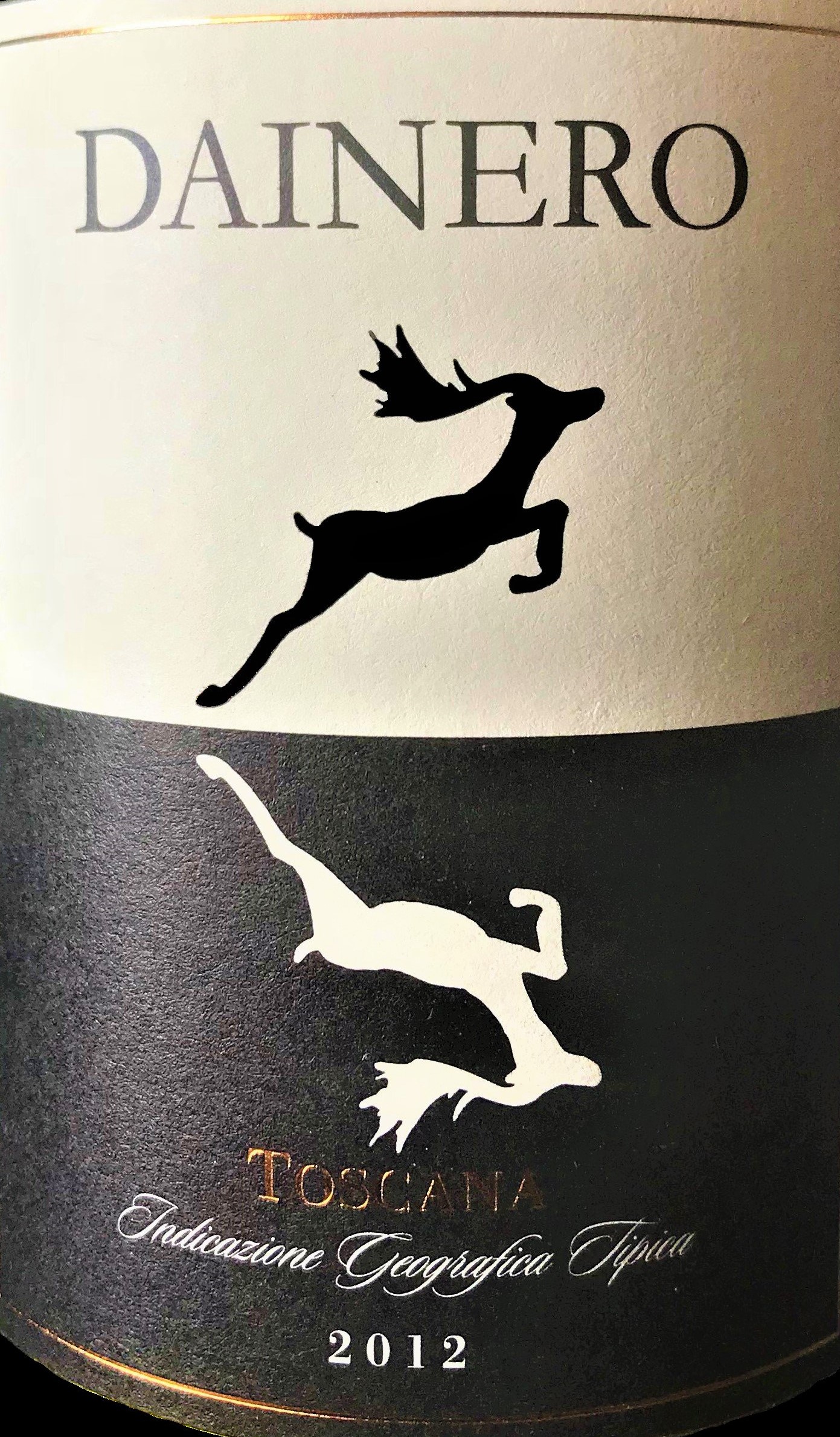
Castiglion del Bosco Dainero 2012

W Dainero 2012Merlot from Riparbella, Pisa, Tuscany, Italy

90% merlot

10% sangiovese

13.5% alcohol

Purchased: 6 March 2017  –  $16.99

Opened: 28 Feb 2018

els: 8.5/10

James Suckling: 92

Wine Spectator: 90

Cellar Tracker:84

Tuscany, a central Italian region bounded by the Tyrrhenian Sea on the west and the Apennines Mountains on the east, is a name synonymous with Italian Renaissance art, ancient history, landscapes of exquisite beauty, and wine. Its wine history dates back to the enigmatic but successful Etruscans in the 8th century BC, growing rich by trading their wine with the Gauls to the north and the Romans and Greeks to the south and east. The aura and renown of Iron Age Tuscany wine secured its perpetuation through the endless generations of Romans, Christian monks, Florentine merchants, Medicis, Hapsburgs, Bourbons, Bonapartes and todays modern Italians. Good wine and time immemorial happily going hand in hand.

Tuscany has the third highest quantity of acres planted in vines in the country but because of its extremely poor soils and the wine makers emphasis on lower yields, it is only sixth in volume, producing just shy of 300,000,000 liters of wine in 2016. The area has a plethora of DOCG and DOC wine regions plus 5 IGT sub-regions that will bewilder even the most diligent and attentive of students and that’s before the Super Tuscans enter into the smorgasbord of categories; all with their rules about grape varieties and percentages spread over a bursting profusion of wineries and vineyards. The better known regions include: Brunello di Montalcino producing rich, full-bodied sangiovese wines; Chianti and Chianti Classico producing the famous medium-bodied wines; and Bolgheri, the region that first produced the well received Super Tuscans.

Merlot is the 3rd most planted grape in the world and 5th most common in Italy. It is one of the primary grapes for Bordeaux blends and is very popular as a stand alone variety. It is a dark blue to purple grape with a soft, velvety structure with medium tannins and low acidity, producing dark fruity flavors.

Sangiovese is the most planted grape in Tuscany and all of Italy, deriving its name from the Latin for the “blood of Jupiter”. It is possible that this grape dates back to the time of Etruscans and is closely related to the Ciliegiolo grape. A sangiovese wine has an earthy cherry flavor that readily acquires a taste of vanilla and oak after aging in barrels.  The tannins are not too strong but the acidity is high.

The Castiglion del Bosco traces its heritage back to 1100 AD when the castile was built and in the 13th century the family owners added stone walls around the castile. Skipping forward a few years to 1967 the estate joins with a few other local families to found the Brunello di Montalcino wine association. Brunello eventually becomes one of the first Italian wines to be granted the DOC and DOCG categories. Massimo Ferragamo, in 2003, purchased Castiglion del Bosco to add to his winery in Riparbella. By the end of the decade he has added guest villas and a golf course to the Castiglion del Bosco estate.

Dainero is produced from the grapes grown at Castiglion del Bosco’s 25 acres of vineyards at Riparbella, less than 8 miles from the western coast and just north of the Bolgheri wine region. The vineyards are located within the wide-ranging Toscana IGT appellation. The vineyards enjoy an Mediterranean  to a sub-continental climate with cool ocean breezes drafting over the 1475′ above sea level west-facing, vine-covered hills.  The iron-rich, alluvial, clayey soils containing metamorphic gravels and pebbles, ensure that the vines are well-drained, healthy and stable. The vineyards are planted with Merlot, Cabernet Franc, Cabernet Sauvignon, and Petit Verdot. The diurnal growing season temperature-range for the vineyards is 50-85ºF with rainfall averaging 3-4″ per month.

The Merlot grapes were harvested during the first part of September while the Sangiovese grapes were harvested during the last part of this month. The grapes are processed at the Castiglion del Bosco cellars. After sorting the grapes they are gravity fed into steel tanks and fermented for 15 days at 82ºF .  The wine spends 6 months in French oak barrels, 30% of which is new and 70% old.  The wine then spends 6 months in the bottle before it’s marketed to the public.

A ruby-red wine trending towards purple with a tawny rim. Aromas of black fruits, currants, and spice. A medium to full-bodied, balanced and structured, but somewhat thick in the mouth.  The tannins and acidity are working well together producing a slightly sharp and long finish. I rated this wine at 8.5/10 mainly because I believe it is past its prime, not as clear and crisp as it should be.  The wine likely peaked about a year ago.

Enjoy this wine with a dish of spaghetti and Italian sausage.  A platter of hard cheeses would also do this wine justice.

A good wine that you shouldn’t spend more than $10 on. Drink this year. Decant and aerate for one hour, or more, before drinking.

$9.99-20.24 wine-searcher.com
 

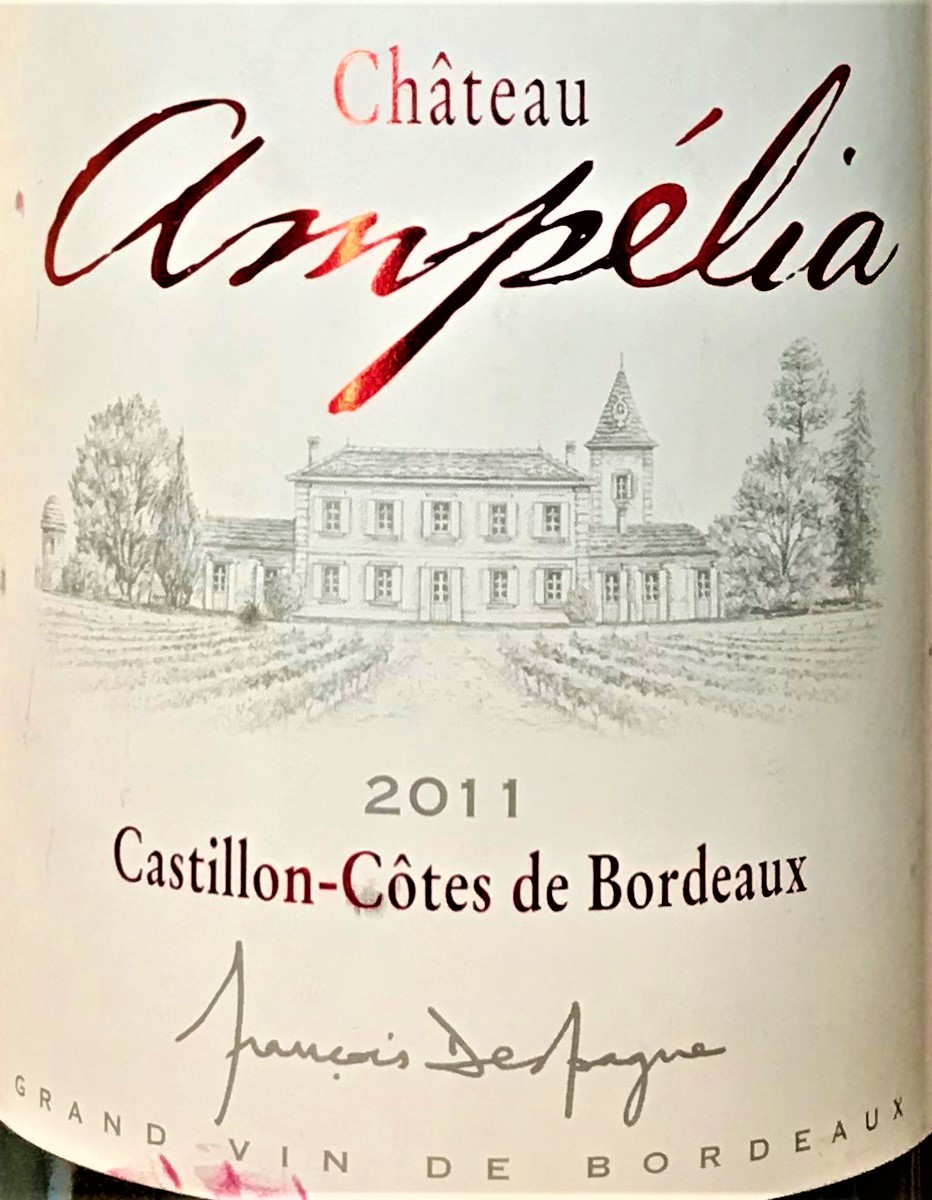
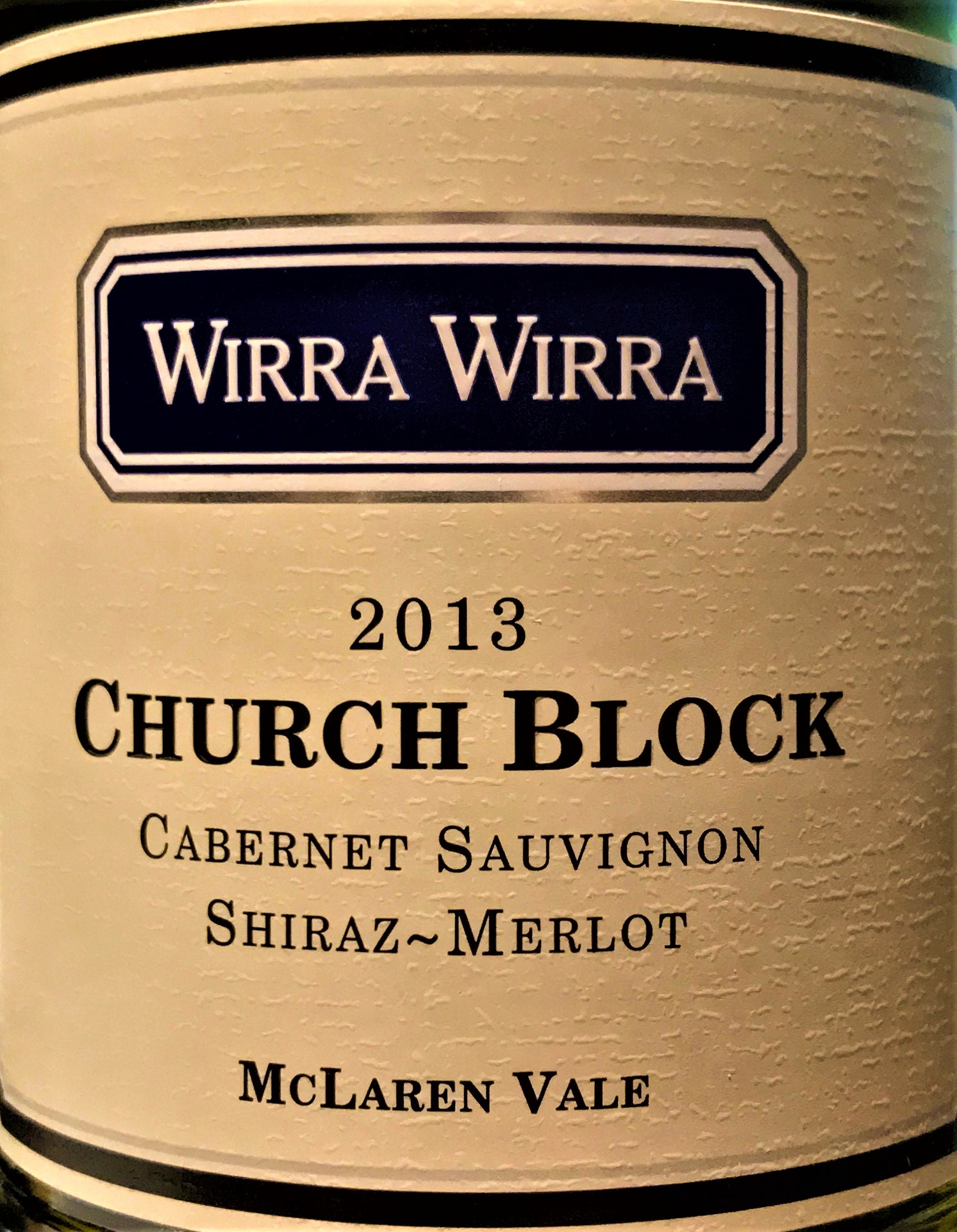
Chateau Ampelia Castillon-Cotes de Bordeaux 2011

W Ampelia 2011Bordeaux Red Blend, St. Philippe d’ Aiguilhe, Castillon-Cotes de Bordeaux, Bordeaux, France
95% merlot

5% cabernet franc

13.5% alcohol

Purchased: 24 April 2014 – $17.99

Opened: 14 Feb 2018

els: 8.9/10

Wine Enthusiast: 92

Cellar Tracker: 89

Wine Spectator: 88

The Despagne family has been making wines in the Saint-Emilion AOC  for more than 200 years. Today Francois, a seventh generation descendent of the Despagne family, is currently manager, since 1996, of Grand Corbin-Despagne winery and founder of the Chateau Ampelia in 1999. Breaking with family tradition the new winery and vineyards are located to the east, and adjacent to Saint-Emilion in the Castillon-Cotes de Bordeaux appellation 1.5 miles west of Saint-Philippe-d’Aiguille, and a little more than 4 miles north of the Dordogne River. This AOC was upgraded from Bordeaux Superior in 2008 and the area includes about 230 families working, on average, 25 acres of vines; predominately Merlot (70%), but also Cabernet Franc (20%), and Cabernet Sauvignon (10%).  Vines in this area date back to at least the 2nd century AD when the Romans planted Vitus Biturica, an ancient cousin of Cabernet Sauvignon and Cabernet Franc.

Merlot, the most planted grape in France, in known for its mellow and rounded flavors and is often blended with its close cousin: Cabernet Sauvignon and or its parent: Cabernet Franc, to soften them up. Cabernet Franc is a black skinned grape that imparts a peppery character to Bordeaux blends.

The grapes are harvested and sorted twice, once in the vineyard and then again at the winery. They are crushed, de-stemmed and fermented in temperature controlled, concrete and stainless steel tanks.  The post-fermented juice is racked into French oak barrels, one-third which are new, and allowed to age for 12 months before being blended and bottled.

The wine has ruby-red color with a garnet rim. A bouquet of cherries, plums and cedar with a hint of pepper. On the palate the wine is medium-bodied with soft tannins.  It has a pleasant, medium lasting, and soothing finish. Not overly bold but a refreshing wine.

A good wine but hard to find and a little expensive for the quality. Pair with a snack of soft cheese and berries.  Drink now, but should last for another year or two.  Decant and aerate for one hour before drinking.

$22.37 wine-searcher.com (limited availability)


Wirra Wirra Church Block CSM 2013

W Church Block 2013Other Red Blends from McLaren Vale, Australia
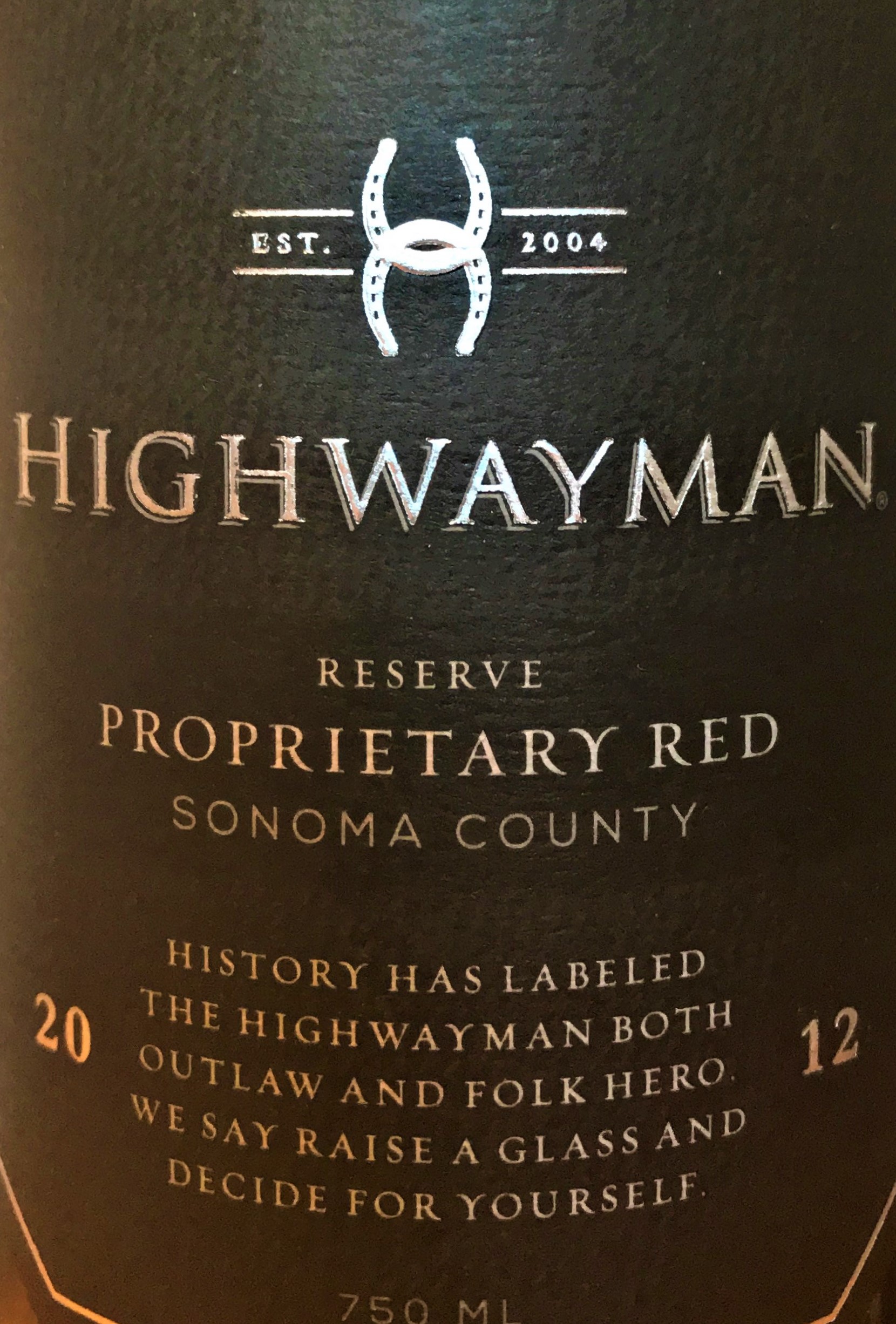
50% cabernet sauvignon

37% shiraz

13% merlot

14.5% alcohol

Opened 10 Jan 2018

els: 9.2/10

Australian Wine Companion:  94

James Suckling:  92

Wine Enthusiast:  91

Wine Spectator:  90

Wilfred Wong:  90

Vinous:  89

The McLaren Vale wine region is centered around the eponymous small town populated with approximately 4000 people, located 20 miles south of Adelaide in South Australia.  The wine growing region, triangular in shape, is less than 20 miles in length and 8 miles in width, nestled between the Gulf of St. Vincent on the west-northwest and the Willunga Fault and scarp, known as the Sellicks Hills Range, along its southeastern edge. McLaren Vale grew famous with its Shiraz wines but today its 88 wineries produce world-class reds and whites; including Cabernet Sauvignon, Grenache, Mourvedre, Chardonnay, Riesling, and Sauvignon Blanc. It is not uncommon to find 100-year old vines in McLaren Vale vineyards.

The Wirra Wirra winery was established in 1969 by Greg Trott and others, out of the ruins of the 1894 winery started by a gentleman delightfully named, Robert Strangways Wigley. Greg Trott’s first Wirra Wirra labeled wine was the 1972 Church Block CSM, named after a vineyard adjacent to a small church.

The vineyards of McLaren Vale are subjected to a Mediterranean climate with dry summers and wet winters, perfect for growing red wine grapes.  Rains bring between 20 and 30 inches per year; the rains peaking in the southern hemisphere May to September winter.  Growing season temperatures range from daytime highs in the mid-80s to night time lows in the mid-50s degrees Fahrenheit. Frost and snow are almost unheard of anytime during the year.  The soils are generally well-drained, thin loamy sands with clays and clayey limes underneath.

This wine has a brilliant ruby-red hue with a narrow pink rim.  Redolent of black berries and plums. An intense taste of red fruits with lasting tannins, and a very long, balanced finish.

An outstanding red wine at a great price.  Serves well with beef and lamb. Tastes great by itself.  Tannins suggests that this wine will serve well for many years to come. A very versatile wine. Decant and aerate for one hour before drinking.

$14.99-21.99  wine-searcher.com

Highway 12 Highwayman Proprietary Red 2012

W Highwayman 2012Other Red Blends from Sonoma County, California

Proprietary red blend:

     cabernet sauvignon

     cabernet franc

     merlot

14.8% alcohol

Opened 2 Dec 2017

els 9.1/10

Highway 12 is a North Coast, Sonoma County winery producing 3 brands of differing quality wines from the vineyards of Sonoma and Carneros regions: Highway 12, Carneros Highway, and their flagship wine: Highwayman.  The Highwayman lineup includes 1 white and 4 reds: Chardonnay, Cabernet Sauvignon, Pinot Noir, and 2 red blends.  Their Proprietary Red was the initial wine in this lineup with the blend of grape types and percentages changing from vintage to vintage.  The 2013 vintage is a blend of Cabernet Franc, Merlot and Petit Verdot as opposed to this 2012 vintage of Cabernet Sauvignon, Cabernet Franc, and Merlot.

Highwayman, the wine, commemorates the fabled gentlemen robbers of days gone by, who relieved, accessible and unguarded, or guarded, travelers of their possessions on the desolate stretches of road in many a nation’s country-sides. In California, a highwayman was known as a road agent, the most famous of which was probably Charles “Black Bart” Boles, a bandit with a particular affinity to Wells Fargo Coaches and their money boxes. He plied his trade of questionable legitimacy for 8 years during the late 19th century, along the deserted roads of northern California.  Black Bart, always armed with a shotgun but never fired during any of his roadside capers, acquired his name by leaving snippets of rhyming poetry at the scene of his crimes. Below is a sample of his poetry that he left at a robbery in 1877, with a slight, germane, editorial modification:

I’ve labored long and hard for (wine and) bread,
For honor, and for riches,
But on my corns too long you’ve tread,
You fine-haired sons of bitches.
 
— Black Bart, 1877.

Fortunately for all of us, highway robbery is now practiced by a better class of erudite individuals.

This wine has a black ruby-red hue, aromas of sweet black and blue berries, with whiffs of spicy herbs and earth, producing an enjoyable, full-bodied, long finish. It exhibits a powerful but balanced and delightful taste of chewy tannins and fruit. Perhaps a tad heavy by itself, better if served with a medium rare rib-eye.

An outstanding wine. Decant and aerate for at least one hour.

$19.38  wine-searcher.com