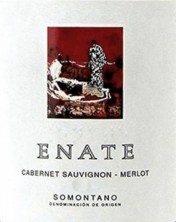
Enate Cabernet Sauvignon-Merlot 2021

Bordeaux Red Blends from Somontano, Spain

Cabernet Sauvignon 50%, Merlot 50%

Purchase Price: $19.99

James Suckling 90, ElsBob 91

ABV 14.5%

A deep ruby wine with touches of cherry, dark fruits, and chocolate. Medium-full bodied with a wonderful balance between the tannins and acidity. Very smooth with a very nice long finish.

An excellent fine wine at a wonderful price. Buy a case if you can find it. Current prices range from $19-24.

Through the Grapevine: When the root‑louse phylloxera devastated French vineyards in the 1860s–1880s, the worst‑hit regions were Bordeaux, Languedoc, and Southwest France. The phylloxera bug is a tiny root‑feeding insect whose saliva prevents a grapevine from healing, and it caused widespread destruction throughout Europe, but French vineyards were hit especially hard. When the insect feeds, it creates swollen, necrotic wounds on the fine roots, disrupting the plant’s ability to move water and nutrients.

A healthy Vitis vinifera vine has no evolutionary defenses against this kind of attack, so the damage compounds quickly. The roots deform, the vascular tissue collapses, and the plant begins to starve from the root up. The insect doesn’t need to kill the vine outright; it just needs to keep feeding, and the point of no return creeps closer with every bite.

Once the roots are compromised, the soil fungi arrive. They’re not really the villains. More like the cleanup crew. Species like Pythium and Fusarium slip into the open wounds and accelerate the decay, breaking down the already‑dying tissue. To 19th‑century growers, this looked like a fungal blight, because the visible rot was fungal. But the fungus was only there because the insect had already done the fatal work.

In courtroom terms, phylloxera is the primary causal agent. The one with the means, motive, and the opportunity. The fungi are merely opportunistic actors who move in after the bug and ‘the damage done’, bystanders partaking in free food. Right place at the right time but innocent.

After the devastation, tens of thousands of growers, merchants, and winemakers lost everything. Many fled across the Pyrenees into northern Spain, the closest safe viticultural zone where they could continue their trade. Somontano was perfectly positioned for the migrating vintners: close to the French border, blessed with high‑altitude vineyards, and full of vine‑loving, crappy soils that were bug‑free at the time. They brought with them Bordeaux grape varieties, winemaking skills, commercial networks, and high expectations.

The French influence permanently changed Somontano. Before phylloxera, it was a local, rustic wine region. With the influx of French expertise, it became more technical, more international, and unmistakably Bordeaux‑centric. Today Bordeaux varieties feel native to Somontano. The only thing that really changed was the language.
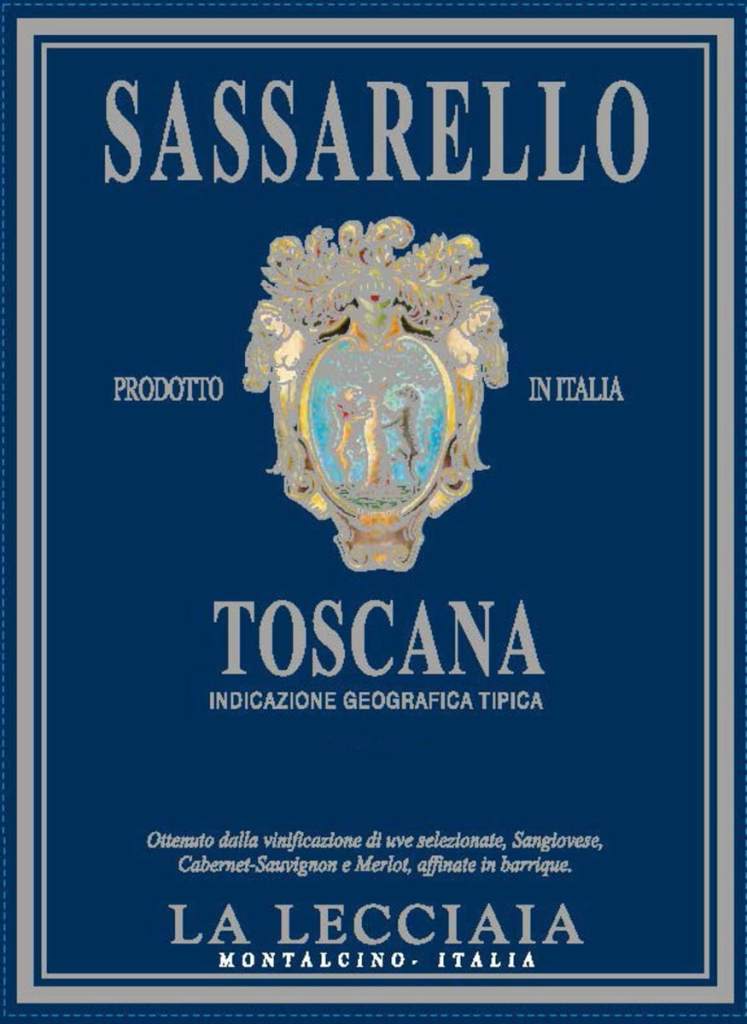
La Lecciaia Sassarello 2018

Other Red Blends from Tuscany, Italy

Sangiovese, Cabernet Sauvignon, Merlot (No percentages given)

Purchase Price: $18.99

James Suckling 92, ElsBob 91

ABV 13.5%

A deep ruby and a fainter ruby rim with aromas of dark fruits and herbs. Medium-full bodied with cherries and spice on the palate with balanced acidity and tannins. As with all Sangiovese wines, it needs to breathe.

An excellent table wine at a great price. Current prices range from $15-18.

Through the Grapevine: Fattoria La Lecciaia lies just off the old Via Francigena, the medieval road that carried pilgrims from England all the way to Rome. A traveler leaving Canterbury would walk to the Channel, cross by boat into France, and then continue south on foot through Reims and Besançon, climbing steadily toward the Alps. The most daunting stretch was the Great St. Bernard Pass, a high, wind‑scoured saddle between Switzerland and Italy where snow lingered well into spring and travelers relied on the hospitality of the monks who kept watch there.

Once over the pass, the road dropped into the Aosta Valley and wound south through the Tuscan hills. Pilgrims, merchants, and clerics passed directly through the countryside around Montalcino, moving along the same ridgelines and valleys where La Lecciaia’s Sangiovese vines now grow. For centuries, the drum of footsteps, mule bells, and weary voices shaped this landscape long before Brunello or Toscana IGT existed.

This route was initially recorded by the Archbishop Sigeric of Canterbury in 990 AD who walked from Rome back to England and fixed all 80 of his stopping points for his flock to follow. This is the moment that the route became a pilgrimage. Most travelers made the trek in a single season of 3-4 months, one-way, leaving England in spring so they could cross the Alps in summer before descending into the Tuscan hills…centuries before Henry II ever muttered his famous complaint about a Thomas Becket, the ‘meddlesome priest.’

Continuing the over‑trivialization of everything, the St. Bernard Pass was originally known, at least as far back as surviving records allow, as Poeninus Mons or Summus Poeninus, named by the Romans for a local Alpine god. A temple to Jupiter Poeninus once stood at the summit, watching over traders and legionaries who crossed these heights. Only in the 11th century was the pass renamed after St. Bernard of Menthon, who established a hospice there in 1049 AD. The monks began keeping large working dogs several centuries after St. Bernard’s lifetime, breeding them on site for the practical work of rescuing travelers from snowdrifts. Sadly, there is no reliable evidence that they ever dispensed spirits to the distressed or those buried in white snow. The breed eventually took on the monk’s name, making him the eponym rather than the other way around.

Poliziano Rosso di Montepulciano 2023

Sangiovese from Montepulciano, Tuscany, Italy

Sangiovese 80%, Merlot 20%

Purchase Price $18.99

Vinous 90, Cellar Tracker 88, ElsBob 89

ABV: 14%

 A ruby red, clear wine with vibrant tastes of red fruits. A acidic medium finish that smooths out the tannins. This is meant to be a young wine so don’t overdo it with meal prep. It will go fine with spaghetti in a marinara sauce.

A very good fine wine slightly overpriced at $20. Buy it if you can find it under $14. Current prices range from $14-16. This wine needs to breathe. The first sip from a just open bottle will be rough. Give it 30 minutes.

Trivia: The village of Gracciano, Italy, near the Poliziano vineyard, sits in a Tuscan landscape where everything has happened but nothing that will ever make it to Jeopardy. But it does lie heavily at the crossroads of Etruscan, Roman, medieval, and Renaissance history. Not a place of singular world‑shaping events, but of continuous layers of civilizations that march through and over the land that helped shape the modern world.

From 700 to 100 BC, the entire Montepulciano–Gracciano ridge was Etruscan territory, and they were already cultivating grapes. God bless ‘em. Beyond that, very little was known: their language vanished, their tombs were looted, and Rome’s shadow seemed to erase them…until last year.

In 2025, archaeologists from Baylor University uncovered a sealed Etruscan chamber tomb at San Giuliano, northwest of Rome. Dating to roughly 2,600 years ago, the 7th century BC, it is one of the most significant Etruscan finds in decades. Inside were four individuals laid on carved stone beds, surrounded by more than 100 grave goods: iron weapons, bronze ornaments, ceramic vessels, and delicate silver hair spools, all in their original placement.

This tomb, along with two others discovered recently, is giving researchers an unprecedented chance to illuminate the civilization’s inner life: family structure, gender roles, trade networks, ritual practices, and social hierarchy.

The emerging picture suggests a culture older and more urbanized than early Rome. A society whose religion, architecture, and political symbolism Rome borrowed heavily. Etruscan elites were likely not destroyed but absorbed into the expanding Roman world.

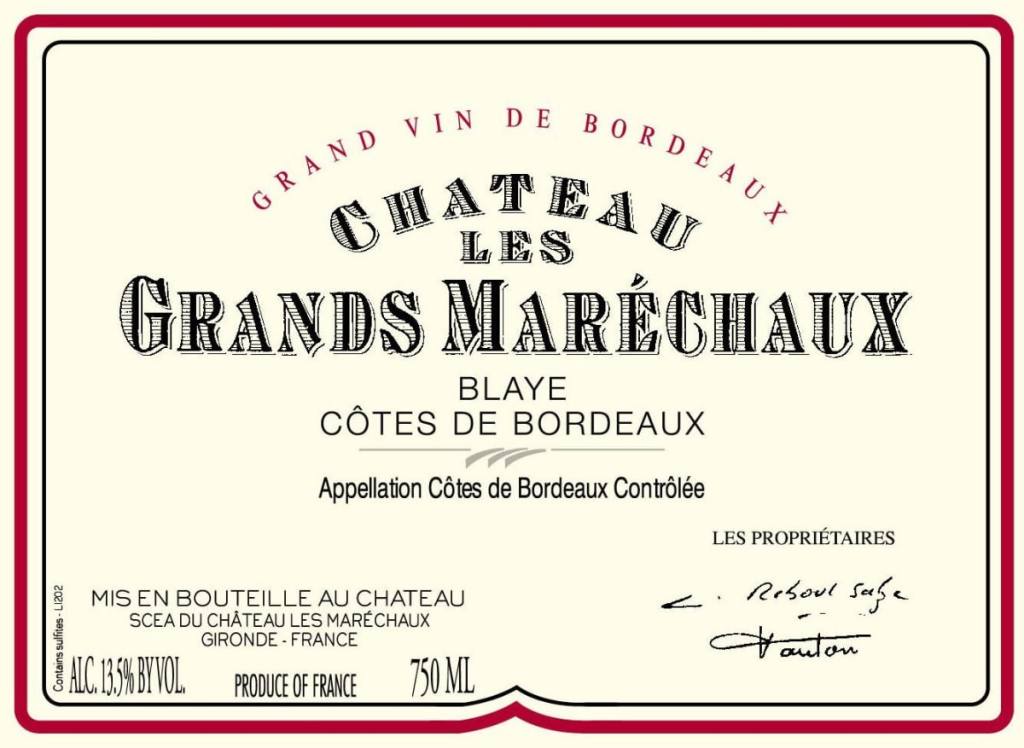
Chateau Les Grands Marechaux 2019

Bordeaux Red Blend from Bordeaux, France

Merlot, 84%, Cabernet Franc 9%, Cabernet Sauvignon 7%

Purchase Price $17.97

Wine Enthusiast 91, James Suckling 91, ElsBob 89

ABV14%

A medium purple wine with aroma of black fruits and a touch of cinnamon. Medium-bodied, bold, medium tannic with a nice fresh finish.

A very good fine wine at a tolerable price but on the high end. Don’t pay more than $15-16 though. Current prices are around $20.

Trivia: The Right Bank of Bordeaux is all about geology, which dictates the elemental structure for every bottle. Clay and limestone dominate the landscape, shaping not only the vineyards but the very character of the wines. Clay holds water and moderates temperature, slowing ripening and giving Merlot the conditions it needs to develop depth and supple density. Limestone, by contrast, drains freely and raises the natural acidity of the fruit, lending a kind of lifted tension that becomes especially clear in Cabernet Franc. Most Right Bank terroirs are some interplay of these two materials, and the wines reflect that structural duet.

Because the soils speak so clearly, the grape varieties are inevitable. Merlot thrives on the moisture and coolness of clay, producing wines that are plush, dark-fruited, and immediately generous. Cabernet Franc finds its ideal expression on limestone, where it gains aromatic precision and a firmer, more architectural frame. Cabernet Sauvignon plays only a minor role, appearing meaningfully only where gravel becomes plentiful, uncommon occurrence on this side of the river. The blends that emerge from these conditions are less stylistic and more like geological consequences.

Across the region, this soil–variety logic creates a coherent family of appellations. Saint‑Émilion’s limestone plateau and clay-limestone slopes yield vertical, structured wines shaped by Cabernet Franc. Pomerol’s blue clay produces Merlot of unusual depth and velvet. The surrounding satellites share these themes with less concentration but often remarkable value. And further north, in the Côtes de Blaye and Côtes de Bourg, estates like Château Les Grands Maréchaux work with the same clay‑limestone matrix, producing Merlot‑driven wines that are fresh, supple, and structurally clear despite their modest price. Taken together, the Right Bank’s identity is not a matter of marketing or prestige but of geology asserting itself. The wines share a recognizable signature, black plum and violet, fine chalky tannins, a rounded mid‑palate, and a fresh, lifted finish, all because the land insists on it.

Chateau Pey La Tour Bordeaux 2022

Bordeaux Blend from Bordeaux, France

Merlot 83%, Cabernet Sauvignon 7%, Cabernet Franc 7%, Petit Verdot 3%.

Purchase Price $18.99

James Suckling 90, Wine Enthusiast 88, ElsBob 88

ABV 15%

A deep ruby wine with aromas of smokey fruits and cherry flavors on the palate. Full-bodied, dry, slightly acidic and tannic but balanced. A fresh short finish. Will pair well roasted beef and sharp cheese.

A very good fine wine but underwhelming and on the pricey side. This is an AOC Bordeaux, entry-level red for the producer. Current price is about $20.

Trivia: The wine estate dates to the 1700s and was originally called Clos De la Tour. In 1990 it was purchased by the Dourthe group, a major Bordeaux negociant (merchant), which expanded the original vineyards from about 62 acres to 620 acres but only about 335 acres are planted in grapes. The vineyard is roughly 95% Merlot with minor amounts of grape varieties as shown above. It produces about 85,000 cases per vintage.

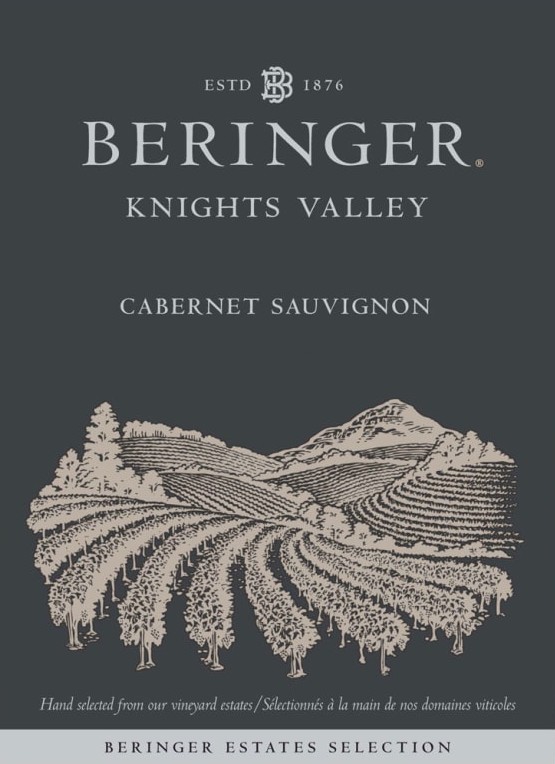
Beringer Knights Valley Cabernet Sauvignon 2019

Cabernet Sauvignon from Sonoma County, California

Cabernet Sauvignon 87%, Merlot 8%, Cabernet Franc 2%, Malbec 2%, Petit Verdot 1%

Purchase Price ~$40 (Gift)

James Suckling 94, Wine & Spirits 92, Robert Parker 90, ElsBob 91

ABV 14.5%

A dense deep ruby with a pale red rim. Full-bodied wine with aromas of cherries, blackberries, with hints of lavender and spice. On the palate, approachable tannins, crisp acidity, and beautiful long finish. A wine made to enjoy with ribeyes and filets.

An excellent fine wine at a slightly elevated price. The wine is hard to find but Beringer still offers it for sale on their website for $24 (half bottle).

Trivia: Knights Valley, originally known as Mallacomes Valley, was granted to José de los Santos Berryessa by the Mexican governor in 1843. In 1853, Thomas B. Knight, a native of Maine and a veteran of the Bear Flag Revolt of 1846, purchased much of Berryessa’s ranch. Knight renamed it Rancho Muristood and planted vineyards, fruit trees, and wheat. Mallacomes Valley gradually became known as Knights Valley. After Knight’s death in 1881, the property passed through numerous hands, and much of the land reverted to small farms and cattle ranches. By the mid‑20th century, viticulture returned when Beringer bought large tracts of land in the valley and initially focused on Cabernet Sauvignon and other Bordeaux varietals. They released their first Knights Valley wine in 1974.

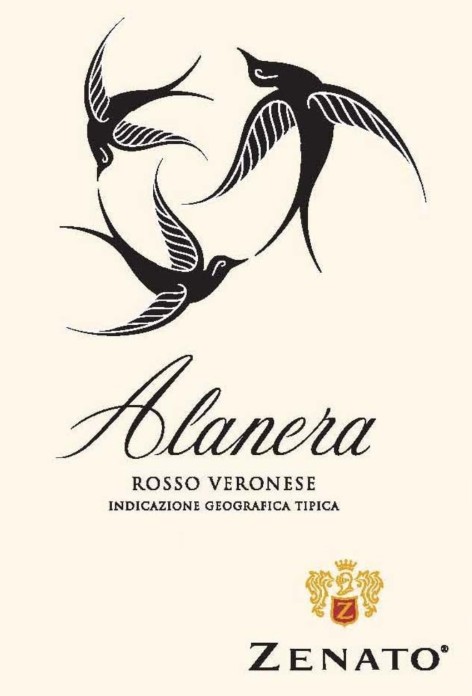
Zenato Alanera Rosso 2020

Red Blends Other from Veneto, Italy

Corvina 70%, Rondinella 10%, Corvinone 10%, Merlot and Cabernet Sauvignon 10%

Purchase Price: $15.99

Wine Enthusiast 90, ElsBob 91

ABV 13.5%

A medium garnet with a tawny rim in color. A medium-bodied wine with aromas of cherries and coffee. On the palate a touch of sweetness and plums, easy tannins and an acidity that provides a refreshing finish.

An excellent table wine at very nice price. Current price is about $17.00.

Trivia: Veneto wine region of northeastern Italy stretches from the canals of Venice to the Alpine foothills. Viticulture here dates to Roman times, with early vineyards tended by local tribes. During the height of the Venetian Republic, paralleling the fortunes of Florentine Renaissance, Veneto became a hub for wine blending and trade, shipping its product throughout the Mediterranean Basin, Byzantine and Ottoman Territories, Northern Europe, and along the Silk Road all the way to Mongolia. This hemispheric reach not only spread winemaking techniques but elevated the reputation of Veneto wines.

At the end of Republic in the 1797 winemaking was in a slow, constant decline. The erosion of trade routes, driven by the Republic’s ossified and hidebound bureaucracy and maritime collapse, decimated the region’s commercial infrastructure. Recovery began in the late 18th and into the 19th century, not as a revival of trans-national trade but as a scientific and agrarian rebirth. Improved farming techniques and increased vineyard plantings were initially focused on local consumption. Today, Veneto is Italy’s top wine-producing region, accounting for roughly 25% of the country’s output and over 35% of its exports. Prosecco and Pinot Grigio occupy the region’s power positions in volume, anchoring its global presence.

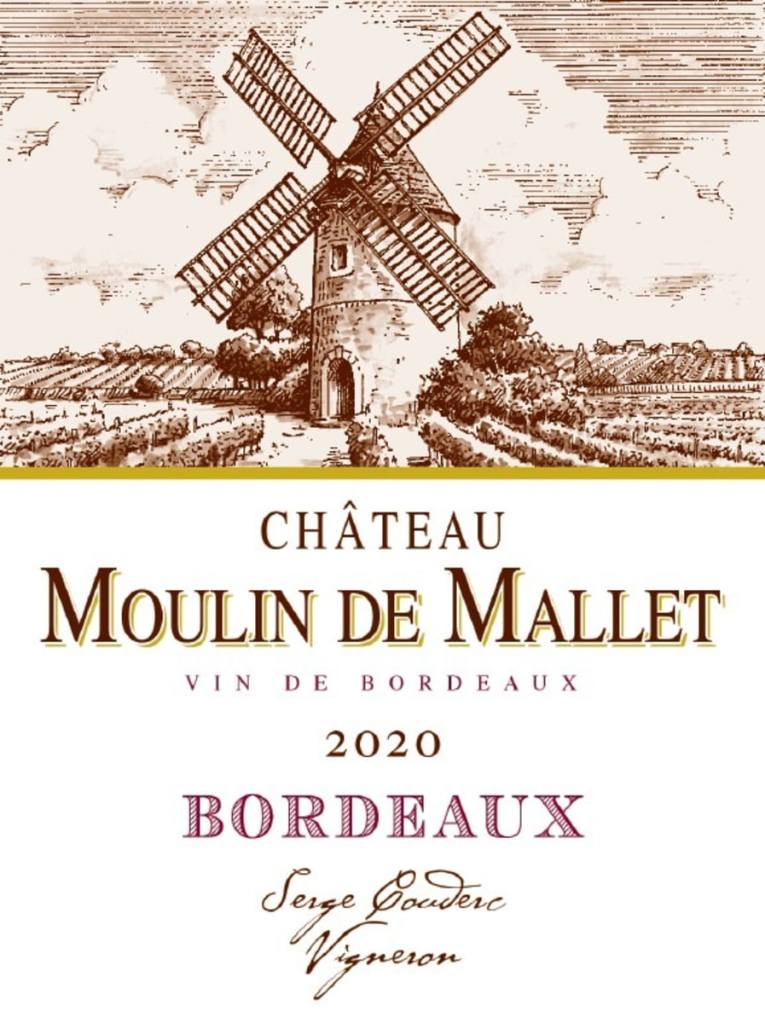
Chateau Moulin de Mallet 2020

Bordeaux Red Blends from Bordeaux, France

Merlot 90%, Cabernet Sauvignon 10%

Purchase Price: $12.98

Wine Enthusiast 90, ElsBob 86

ABV 14%

A deep garnet to deep ruby wine, with aromas of black fruits, medium bodied, strong tannins verging on overpowering and acidic.  Sub 90 wines always go better with spicy or tomato-based appetizers such as meatballs in a marinara sauce or aged cheeses such as cheddar, blue, or Gouda.

A good wine at an elevated price. I wouldn’t pay more than $8-9 for this wine. Currently the wine ranges from $12-15.

Trivia: In the 17th century, the Médoc, now home to legendary estates like Château Margaux and Château Latour, was a marshland, better known for corn than Cabernet. Dutch masters of hydraulic engineering and maritime trade drained the swamps, transforming them into arable land ideal for vineyards. Their aim was strategic rather than altruistic: to buy Bordeaux wine and sell it to the English at a modest profit, or a ludicrous one, if the winds blew favorably.

Windmills pumped water into manmade canals that emptied into the Gironde estuary, terraforming the landscape into a system of trade, terroir, tale, and endless lore. Though water management continues today, steam and electric pumps have long replaced the windmills. Most were dismantled or left to decay, their blades stilled by steam and electric pumps.

One survivor, the restored 18th-century Moulin de Lansac and another, depicted on the wine label shown above, Moulin de Mallet, were not water-pumpers but grain-grinders. Moulin in French translates to grain-grinder, turning wind into flour rather than marsh into vineyard. Still, it stands as a quiet admission of simpler times.

Dutch windmills turning. Pleistocene gravels emerging. French vines growing.

Like the circles that you find in the windmills of your mind “ by Noel Harrison, The Thomas Crown Affair, 1968.

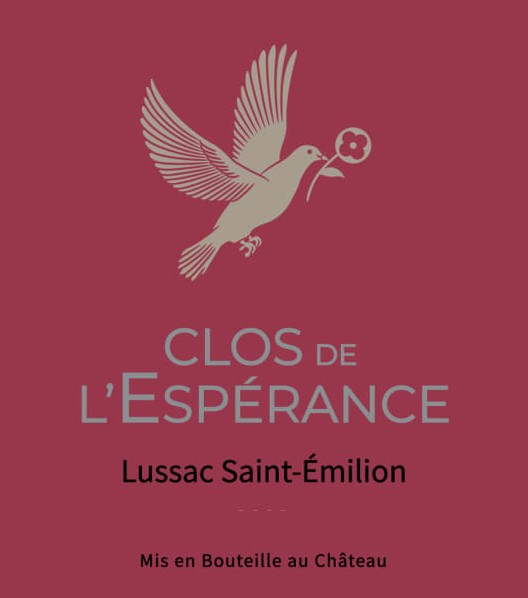
Cols de l’Esperance Lussac Saint-Emilion 2023

Bordeaux from Bordeaux, France

Merlot 100%

Purchase Price: $14.99

Vinous 92, James Suckling 92, Wilfred Wong 91, ElsBob 90

ABV 14.0%

A dark ruby to a dark purple wine with aromas of cherry and a touch of vanilla; medium bodied, smooth tannins, dry, with short to medium finish. This wine will pair well with ambrosial aromas such as lamb but stay clear of overly spicy foods.

An excellent fine wine at a great price. You should let this vintage sit for another year or two and hopefully it will develop a little more character. Cheers.

Note: The label does not explicitly mention that this wine is 100% Merlot, nor does it say it’s a Bordeaux. The retail shops refer to this wine as a Bordeaux and the only grape it mentions on its label is Merlot–the only varietal that the Clos de l’Esperance vineyard grows. Lussac-Saint-Emilion is a wine appellation located in the Bordeaux region and as such it can be called a Bordeaux.

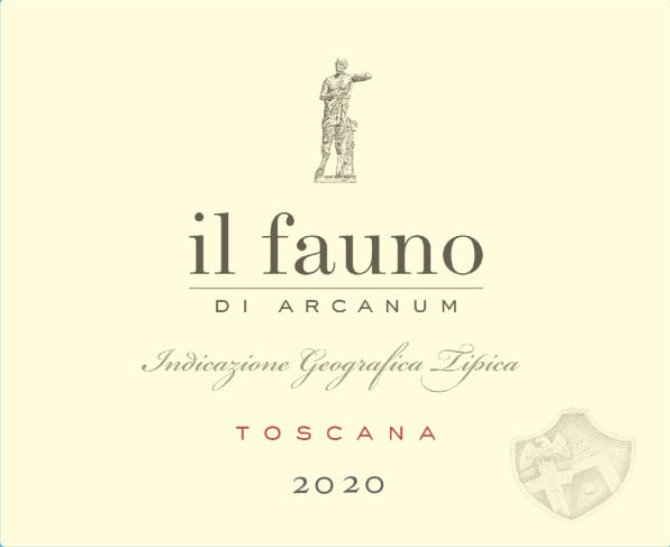
Tenuta di Arceno Il Fauno di Arcanum 2020

Bordeaux from Tuscany, Italy

Merlot 41%, Cabernet Franc 34%, Cabernet Sauvignon 20%, Petit Verdot 5%

Purchase Price: $87.00 (Restaurant)

James Suckling 93, Wine Spectator 93, Jeb Dunnuck 92, Robert Parker 92, ElsBob 92

ABV 14.5%

Aromas of black cherry and plum; full-bodied and dry with a silky tannic finish. Pairs well with ribeye, filet, grilled vegetables, or desserts like cannoli and tiramisu. We enjoyed it with osso boco on garlic mashed potatoes – delicious. Also ideal for sipping on a shady patio on a warm afternoon.

An excellent fine wine priced slightly under the median for 92-point wines (retail ~$52).

Trivia: A Faun (Fauno in Latin) is a half-human, half-goat creature in Greek and Roman mythology with hairy legs, pointed ears, a tail, and human arms. The most famous faun is Pan, the Greek god of nature, known for playing a flute, his sexual prowess, and joking attitude.