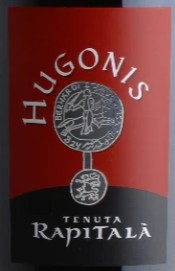
Tenuta Rapitala Hugonis DOC 2019

Red Blend Other from Sicily

Cabernet Sauvignon 50% and Nero d’Avola 50%

Purchase Price: $75 (Restaurant)

ElsBob 91

ABV 14.0%

A dense deep red, full-bodied, with aromas of red fruit and spice, well balanced with tannins that add a fine even structure, and a very long, pleasant finish. It was an excellent pairing with our entrées of Osso Buco and Braised Italian Ribs.

An excellent fine wine that retails from $38-60. $38 is a fair price to pay but $60 is a bit much. Drink now or hold for another 4-5 years. Cheers.

Trivia: Nero d’Avola grapes produce a full-bodied wine high in tannins with medium acidity and tastes of red fruits. Almost all Nero d’Avola wines come from the dry farms of Sicily and are a natural for blending with Cabs and Shirazes. The name originates from the southern Sicilian town of Avola which began growing the grape several centuries ago.

Drunken Monkey Hypothesis–Good Times, Bad Times

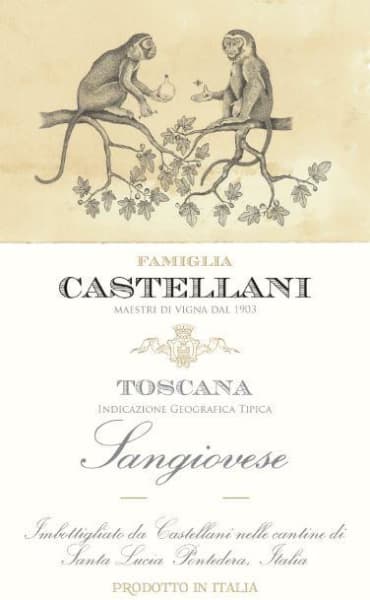
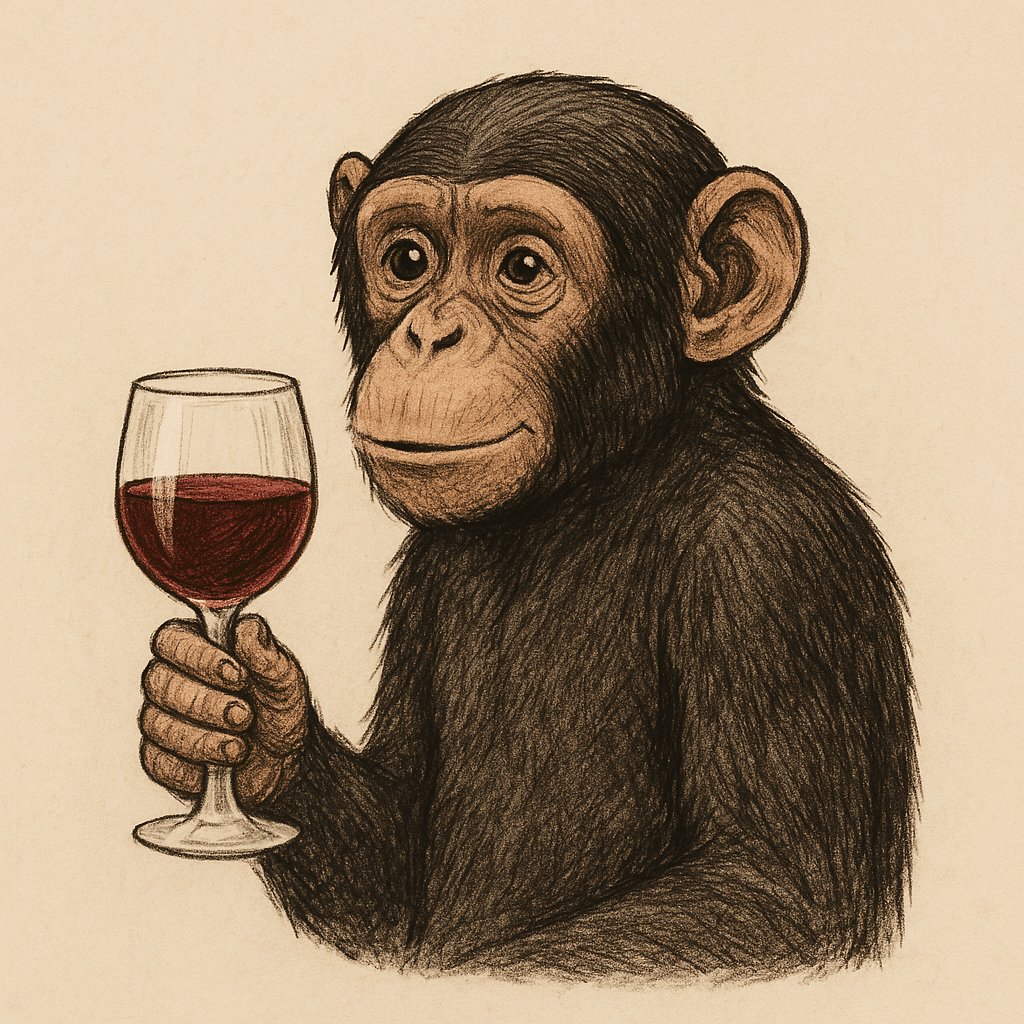
In 2004, biologist Robert Dudley of UC Berkeley proposed the Drunken Monkey Hypothesis, a theory suggesting that our attraction to alcohol is not a cultural accident but an evolutionary inheritance. According to Dudley, our primate ancestors evolved a taste for ethanol (grain alcohol) because it signaled ripe, energy-rich, fermenting fruit, a valuable resource in dense tropical forests. Those who could tolerate small amounts of naturally occurring ethanol had a foraging advantage, and thus a caloric advantage. Over time, this preference was passed down the evolutionary tree to us.

But alcohol’s effects have always been double-edged: mildly advantageous in small doses, dangerous in excess. What changed wasn’t the molecule, it was our ability to concentrate, store, and culturally amplify its effects. Good times, bad times…

Dudley argues that this trait was “natural and adaptive,” but only because we didn’t die from it as easily as other species. Ethanol is a toxin, and its effects, loss of inhibition, impaired judgment, and aggression, are as ancient as they are dangerous. What may have once helped a shy, dorky monkey approach a mate or summon the courage to defend his troop with uncharacteristic boldness now fuels everything from awkward first dates, daring athletic feats, bar fights, and the kind of stunts or mindless elocutions no sober mind would attempt.

Interestingly, alcohol affects most animals differently. Some life forms can handle large concentrations of ethanol without impairment, such as Oriental hornets, which are just naturally nasty, no chemical enhancements needed, and yeasts, which produce alcohol from sugars. Others, like elephants, become particularly belligerent when consuming fermented fruit. Bears have been known to steal beer from campsites, party hard, and pass out. A 2022 study of black-handed spider monkeys in Panama found that they actively seek out and consume fermented fruit with ethanol levels of 1–2%. But for most animals, plants, and bacteria, alcohol is toxic and often lethal.

Roughly 100 million years ago in the Cretaceous, flowering plants evolved to produce sugar-rich fruits, nectars, and saps, highly prized by primates, fruit bats, birds, and microbes. Yeasts evolved to ferment these sugars into ethanol as a defensive strategy: by converting sugars into alcohol, they created a chemical wasteland that discouraged other organisms from sharing in the feast.

Fermented fruits can contain 10–400% more calories than their fresh counterparts. Plums (used in Slivovitz brandy) show some of the highest increases. For grapes, fermentation can boost calorie content by 20–30%, depending on original sugar levels. These sugar levels are influenced by climate, warm, dry growing seasons with abundant sun and little rainfall produce sweeter grapes, which in turn yield more potent wines. This is one reason why Mediterranean regions have long been ideal for viticulture and winemaking, from ancient Phoenicia to modern-day Tuscany, Rioja, and Napa.

The story of alcohol is as ancient as civilization itself. The earliest known fermented beverage dates to 7000 BC in Jiahu, China, a mixture of rice, honey, and fruit. True grape wine appears around 6000 BC in the Caucasus region (modern-day Georgia), where post-glacial soils proved ideal for vine cultivation. Chemical residues in Egyptian burial urns and Canaanite amphorae prove that fermentation stayed with civilization as time marched on.

Yet for all its sacred and secular symbolism, Jesus turning water into wine, wine sanctifying Jewish weddings, or simply easing the awkwardness of a first date, alcohol has always walked a fine line between celebration and bedlam. It is a substance that amplifies human behavior, for better or worse. Professor Dudley argues that our attraction to the alcohol buzz is evolutionary: first as a reward for seeking out high-calorie fruit and modulating fear in risky situations, but it eventually became a dopamine high that developed as an end in itself.

Source: The Drunken Monkey by Robert Dudley, 2014.
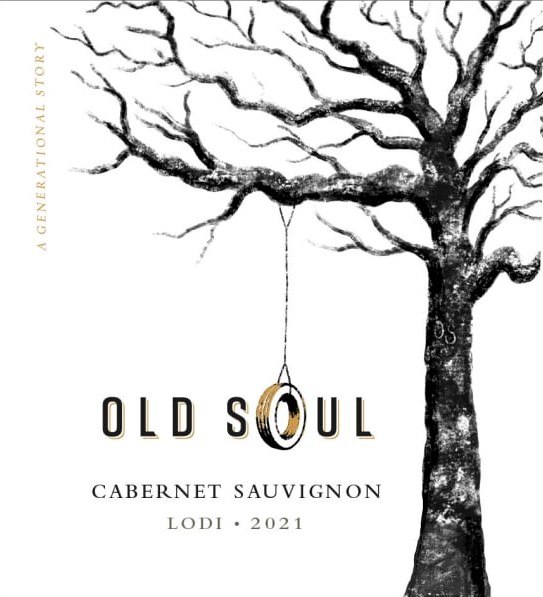
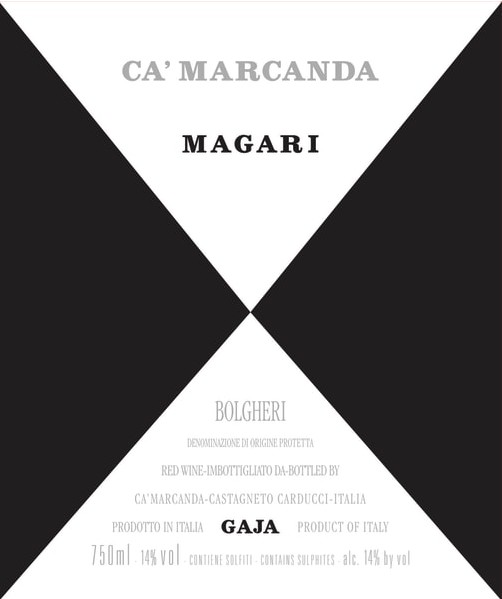
Gaja Ca’Marcanda Magari 2022

Bordeaux Red Blend from Bolgheri, Tuscany, Italy

Cabernet Franc, Cabernet Sauvignon, and Petit Verdot

Purchase Price: $139 (Restaurant)

Wine Enthusiast 96, James Suckling 95, Jeb Dunnuck 95, Wine Spectator 93, Decanter 93, Vinous 91, ElsBob 94

ABV 14.5%

A dark red, full-bodied wine with aromas of black fruits, silky tannins, and remarkable balance. The long, enjoyable finish paired exceptionally well with our main courses of Osso Buco and Braised Italian Ribs.

A superb fine wine, currently retailing between $80–$120. Drink now or hold for 5–10 years. Cheers.

Trivia: Ca’Marcanda, GAJA’s estate in Bolgheri with roots in Barbaresco, Piedmont, part of the Wilson Daniels portfolio, was acquired in 1996 after 18 distinct and arduous negotiations with the previous owners. The name comes from a Piedmontese dialect expression meaning “The House of Endless Negotiations”, a nod to the persistence and diplomacy required to secure the land.

By Italian cultural standards, the name is not a slight but a compliment. Negotiation is seen as an art form, a process of relationship-building, emotional intelligence, and mutual respect. Naming the estate Ca’Marcanda honors that tradition: a story of tenacity, dialogue, and reverence for the craft of agreement, worn as a badge of honor by both buyer and seller.

Amalaya Malbec 2021

Malbec from Salta, Argentina

Malbec 85%, Taninat 10%, Petit Verdot 5%

Purchase Price: $14.99

Decanter 95, Wilfred Wong 91, James Suckling 91, Robert Parker 90, ElsBob 88

ABV 13.9%

A deep ruby in color, medium to full body, aromas of red fruits and spice. On the palate flavors of plum, very smooth, moderately acidic, with a short finish.

A very good table wine at a fair price. Drink now. Cheers.

Trivia: Salta wine region in the Calchaqui Valley of northwestern Argentina is better known for its white wine: Torrontes, but its Malbecs and Cabernets are gaining adherents. Salta has the highest altitude vineyards in the world with some at a breathless 9000’.

Maison Chapoutier Cotes du Rhone Belleruche Rouge 2022

Rhone Red Blend from Cotes du Rhone, Rhone, France

Mostly Grenache and Syrah

Purchase Price: $14.99

Wilford Wong 91,James Suckling 90, ElsBob 89

ABV 14.5%

A deep garnet in color, medium to full body, aromas of raspberry and pepper. On the palate it is full of red fruits, smooth, silky tannins, with a medium finish.

A very good fine wine at a fair price. I’ve recently seen this priced from $13-18. Likely close to peak quality, drink now. Cheers.

Trivento Reserve Cabernet Sauvignon 2019

Cabernet Sauvignon from Mendoza, Argentina

Cabernet Sauvignon 100%

Purchase Price: $11.99

Tasting Panel 91,Wine Enthusiast 87, ElsBob 88

ABV 13.5%

A deep ruby in color, medium to full body, aromas of red and black fruits, pepper, with a touch of vanilla. On the palate it is moderately acidic, slightly tannic, with a long, structured finish.

A very good table wine at a fair price. Drink now. Cheers.

Trivia: The Trivento name is a tip of the corkscrew to the three dominant winds around Mendoza: Polar, Zonda, and Sudestada. Polar winds bring cold air from the south. Zonda are strong, warm, and very dry west winds coming off Andes, often producing dust storms. They would be similar to Santa Ana and Chinook winds in the US. The Sudestada winds come from the southeast bringing humid air and generally prolonged rainfall.

Artiga & Fustel El Campeador 2022

Other Red Blends from Jumilla, Spain

Syrah 50%, Monastrell 40%, Cabernet Sauvignon 10%

Purchase Price: $11.99

James Suckling 90, ElsBob 91

ABV 14.5%

A dense dark purple color, medium to full body, aromas of black fruit and spice. On the palate it is acidic, noticeable tannins but smooth, with a long finish.

An excellent fine wine at a great price. Recent prices are in the $14-17 range. Drink now. Cheers.

Trivia: Jumilla is a wine DO of the Murcia region near the Mediterranean in southeastern Spain. Monastrell (Mourvedre) is the dominant grape grown in this hot, arid region. In good years the DO produces about 100 million bottles of wine but the area has experienced severe droughts for the last couple of years and as such yields have decreased by 50-80%. 2024 yields supplied enough grapes to produce approximately 45 million bottles of wine. On the brighter side the grapes were said to have achieved “perfect ripeness” but with only average sugar levels.

Vinos de Arganza Flavium Premium Crianza Mencia 2020

Mencia from Bierzo, Spain

Purchase Price: $12.99

James Suckling 90, ElsBob 90

ABV 13.0%

A deep garnet color with aromas of black fruits, plum, and spice. Medium-full body, medium acidity, tannic with a hint of black pepper and slate. Will pair well with red meat and spicy vegetable dishes.

An excellent table wine at a great price. I’ve seen this wine listed as low as $11—well worth picking up a few bottles at that price. Drink now. Cheers.

Trivia: Bierzo is Spanish DOP wine region in northwest Spain that has grown grapes since the time of the Greeks and Romans, but it was the monks of the Middle Ages who brought the area viticulture into prominence. Currently the DOP has 1030 growers and 74 wineries, covering less than 6000 acres, producing in aggregate about 7 million bottles of wine each year.

Penfolds Grandfather Rare Tawny

Port from Australia

Predominately but not limited to Shiraz, Grenache, Mataro, and Cabernet

Purchase Price: $99.99

ElsBob 92

ABV 19.0%

A deep tawny color with aromas of licorice and raisins, full-bodied, sweet with a long finish. A perfect after dinner dessert wine.

An excellent non-vintage port at a fair price. If you look around, you might find it for about $80. Drink now. Cheers.

From Penfolds Overview: With each vintage, varietal batches are selected for Grandfather. These batches are individually aged in seasoned old oak casks before being blended together at 14 years of age. This blend is then introduced into the ‘Grandfather Solera’. This Solera consists of six stages that are designed to fully integrate all components offering consistency and freshness with a final minimum average blended age of 20 years. (Ed. Current vintages in the Solera range from 1960-2004.)

World’s Best Vineyard 2024

The World’s Best Vineyards, known for curating exceptional wine tourism destinations, publishes an annual list of the top vineyards worldwide. Their selections highlight not only wine quality but also the visitor experience, including tastings, accommodations, and unique attractions at the vineyard and in its surrounding area.

For 2024, the title of the best vineyard in Europe, and the world, has been awarded to Bodegas de los Herederos del Marqués de Riscal, situated in the small but charming town of Elciego, Spain, at the southern edge of the Rioja Alavesa wine region in northern Spain.

With a legacy spanning over 160 years, the vineyard and winery trace their origins back to 1858. Their first Rioja wine was produced just four years later, in 1862. For over a century, Marqués de Riscal crafted only red wines until they daringly broke with tradition and local reverence in 1972 by introducing their first white wine from Rueda. This leap into white winemaking is honored on their website with a whimsical and enigmatic photograph of the swimming pigs of the Bahamas. The choice of imagery invites unlimited speculation: pigs fly, pigs swim, white wine in Rioja, let your imagination freely wander.

In 2006, Marqués de Riscal expanded its offerings with the inauguration of the City of Wine, a striking complex featuring a hotel and entertainment facilities crowned by a “billowing titanium and stainless-steel roof;” designed by architect Frank Gehry. Visitors to the City of Wine can immerse themselves in the vineyard’s rich history and culture while enjoying luxurious relaxation at the Spa Vinothérapie Caudalie, fine dining at multiple restaurants, shopping at the wine boutique, or even celebrating their love with a wedding, perfect for couples old and young.

Oh, and enjoy the wines: Tempranillo, Tempranillo Blends, Tempranillo/Graciano, Garnacha/Viura, Verdejo, and Sauvignon Blanc. The Marques de Riscal Reserva Rioja’s (Tempranillo) various vintages are consistently rated in the 88-91 range and sell for about $25. Cheers.

Source: World’s Best Vineyards. Marques de Riscal Vineyard. Graphic: Swimming Pigs of the Bahamas.