
Enate Cabernet Sauvignon-Merlot 2021

Bordeaux Red Blends from Somontano, Spain

Cabernet Sauvignon 50%, Merlot 50%

Purchase Price: $19.99

James Suckling 90, ElsBob 91

ABV 14.5%

A deep ruby wine with touches of cherry, dark fruits, and chocolate. Medium-full bodied with a wonderful balance between the tannins and acidity. Very smooth with a very nice long finish.

An excellent fine wine at a wonderful price. Buy a case if you can find it. Current prices range from $19-24.

Through the Grapevine: When the root‑louse phylloxera devastated French vineyards in the 1860s–1880s, the worst‑hit regions were Bordeaux, Languedoc, and Southwest France. The phylloxera bug is a tiny root‑feeding insect whose saliva prevents a grapevine from healing, and it caused widespread destruction throughout Europe, but French vineyards were hit especially hard. When the insect feeds, it creates swollen, necrotic wounds on the fine roots, disrupting the plant’s ability to move water and nutrients.

A healthy Vitis vinifera vine has no evolutionary defenses against this kind of attack, so the damage compounds quickly. The roots deform, the vascular tissue collapses, and the plant begins to starve from the root up. The insect doesn’t need to kill the vine outright; it just needs to keep feeding, and the point of no return creeps closer with every bite.

Once the roots are compromised, the soil fungi arrive. They’re not really the villains. More like the cleanup crew. Species like Pythium and Fusarium slip into the open wounds and accelerate the decay, breaking down the already‑dying tissue. To 19th‑century growers, this looked like a fungal blight, because the visible rot was fungal. But the fungus was only there because the insect had already done the fatal work.

In courtroom terms, phylloxera is the primary causal agent. The one with the means, motive, and the opportunity. The fungi are merely opportunistic actors who move in after the bug and ‘the damage done’, bystanders partaking in free food. Right place at the right time but innocent.

After the devastation, tens of thousands of growers, merchants, and winemakers lost everything. Many fled across the Pyrenees into northern Spain, the closest safe viticultural zone where they could continue their trade. Somontano was perfectly positioned for the migrating vintners: close to the French border, blessed with high‑altitude vineyards, and full of vine‑loving, crappy soils that were bug‑free at the time. They brought with them Bordeaux grape varieties, winemaking skills, commercial networks, and high expectations.

The French influence permanently changed Somontano. Before phylloxera, it was a local, rustic wine region. With the influx of French expertise, it became more technical, more international, and unmistakably Bordeaux‑centric. Today Bordeaux varieties feel native to Somontano. The only thing that really changed was the language.
Off the Beaten Path

Not every grape is born to be a Cab or Merlot. Not every vine survives the frozen winter’s cold. But, sometimes, you can find a remarkably obscure wine, and you get what you need. (With apologies to the Rolling Stones.)

Wine does not need a household name or worldwide cultivation to leave an impression. Some, from the cracks and corners off the main viticultural beat, fill a glass with a style that beckons notice and draws a grudging nod of respect. Grapes of lesser renown are legion but here we will bow to three worthy of a close encounter. The Amur grape straddling the banks of the thousand-mile Amur River at the intersection of Russia and China; the Saperavi grape of a thousand names, slightly exaggerated, from the rolling Asian hills of eastern Georgia; and the Marquette grape born in the land of a ten-thousand lakes from the test beds of U. of Minnesota.

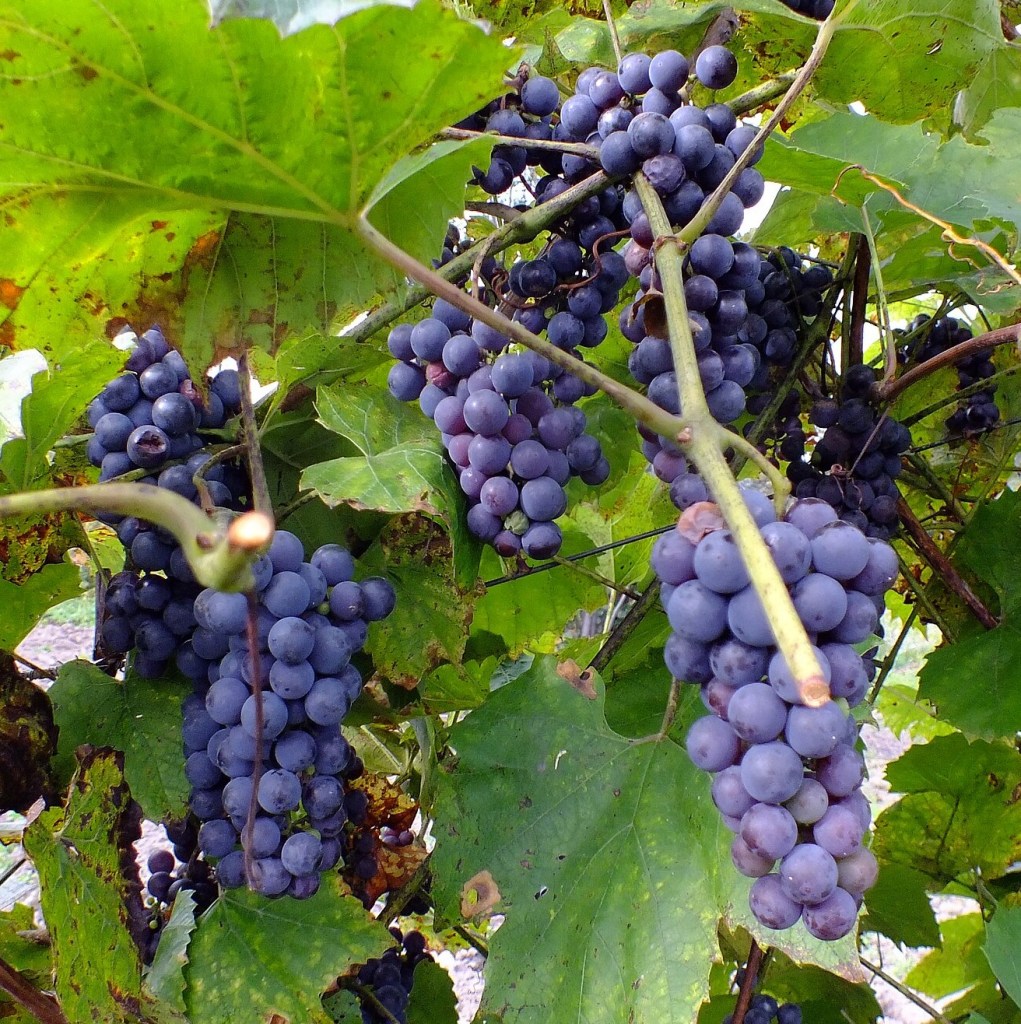
The Amur grape (Vitis amurensis) is an ancient varietal dating back to pre-Pleistocene times, a survivor at the margins of glaciers and regions of permanent snow and ice. Evolution favored a rootstock capable of withstanding sub-zero winters and the ability to send forth fresh shoots with the swiftness of kudzu covering a Georgia (State) pine, bravely managing the brief, wet summers of floodplains and permafrost.

Its native lavender to deep purple berries yield a full-bodied red wine with subtle aromatics, hinting at dark fruits and recollections of the long-gone boreal forest. The tannins are firm, the acidity cleansing; sharp enough to demand a gentle, sweet companion. Amore mio of chocolate and Amur. I tried a Amur wine in Beijing many years ago and I found it a worthy experience.

Saperavi (Vitis vinifera) is a rare teinturier grape, its flesh and skin both red, born in the soils newly freed from the retreating glacial ice and snow of southeastern Georgia, nurtured in the cradle of winemaking and civilization. Descended from wild vines cultivated over 8,000 years ago, the spirits and life of Saperavi still retain their vitality in modern times accounting for 30% of its total wine production. Georgians once fermented this varietal in qvevri, (kveh-vree—rhymes with every) egg-shaped clay vessels, dating to the Bronze Age, buried underground, where time, earth, grape, and chemistry converge in a spirited dance of Bacchanalian delight. Though about 10% of Georgian wines still develop in clay, most now age in oak, trading ancestral custom for ease and balance.

Dark as ink in a deep well and high in acidity, Saperavi yields wines that are intense and age-worthy, layered with plum, blackberry, clove, and sometimes a wisp of rising smoke. They range from bone-dry to deliciously sweet, each bottle a tale of terroir and ancestry. Today, the heart of prehistoric craftsmanship still beats in chests of these rugged Caucasus descendants. This wine is hard to find in the U.S., but if you’re in Georgia, try it, just have something sweet nearby to balance its acidity.

Marquette (Vitis vinifera × Vitis riparia, etc.) is a cold-hardy hybrid born in Minnesota in 2006, now finding homes in Vermont and New York. With its ruby hue, medium body, and notes of cherry, blackcurrant, and spice, it evokes a northern acceptance of the land’s tempered gifts. It survives brutal winters, resists disease, and thrives in organic soils that traditional wine grapes often shun. Though oak-aging adds depth, even youthful Marquette wines hold their own. Already, a few notable bottlings hint at its potential. The 2021 La Garagista “In A Dark Country Sky a Whole-Cluster Marquette”, received a rating of 92, described as bold and structured: $43.

Together, this trio of wines form a brave departure from the pack. They are not overt crowd-pleasers, not yet anyway, but a small, short break from tradition can’t be all bad.

Graphic: Amur Grapes, Vitis amurensis, by Andshel, 2015. Public Domain.

Birthplace of Wine

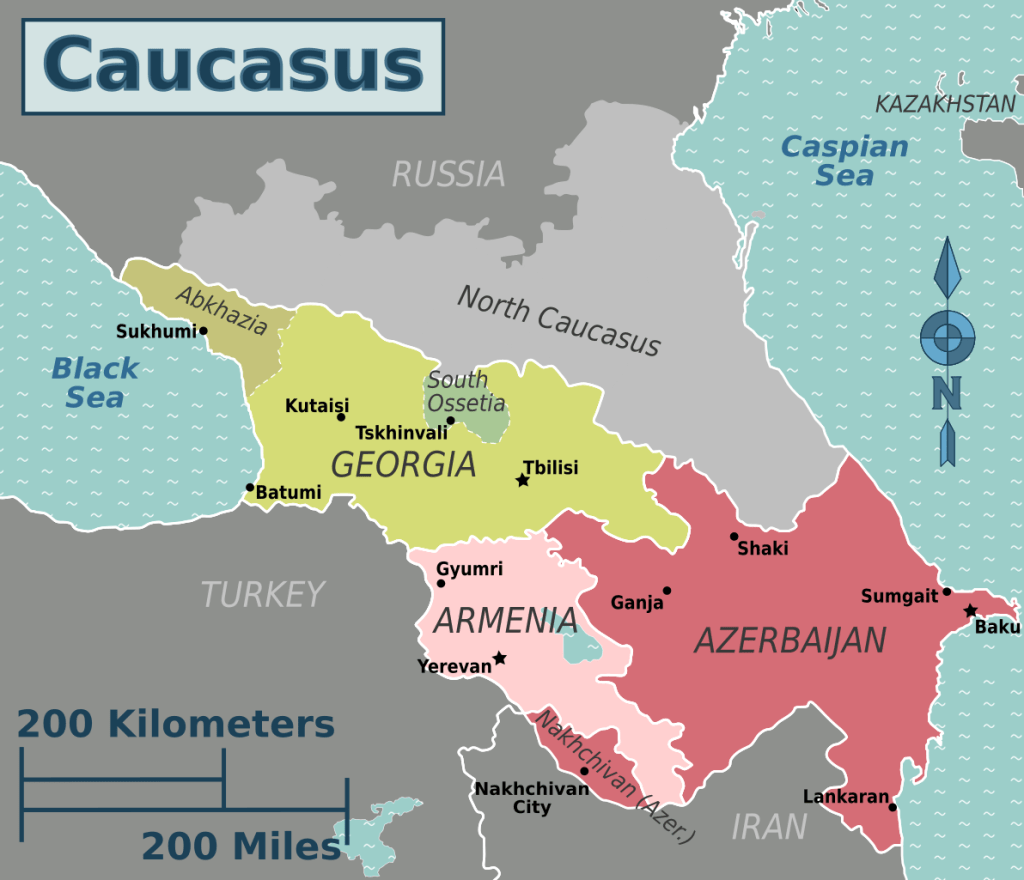
The modern grape (Vitis vinifera subsp. vinifera) is believed to have evolved from its wild ancestor, Vitis vinifera subsp. sylvestris, native to a broad region spanning the Caucasus Mountains (present-day Armenia, Georgia, and Azerbaijan) to the Mediterranean. This area offered ideal conditions for wild grapevines to flourish after the retreat of the Pleistocene glaciers, with its temperate climate and poor, rocky soils providing excellent drainage on rolling hills and mountainsides.

Archaeological evidence suggests that the domestication of grapes likely began in the South Caucasus region between 6,000 and 8,000 years ago. It’s possible that early farmers selectively cultivated wild grapevines, favoring those with the juiciest and most flavorful fruit, gradually developing them into the domesticated grape varieties familiar to us today.

In modern-day Georgia, approximately 30 miles (50 km) south of Tbilisi, evidence of grape wine production dates back to 6000–5800 BC. At the sites of Gadachrili Gora and Shulaveris Gora—Gora or hills are akin to the “tels” of the Levant—researchers have unearthed ancient pottery fragments containing chemical traces of wine, such as tartaric acid. These findings indicate that the inhabitants of this region were cultivating grapes and fermenting them into wine as early as 8,000 years ago.

This positions Georgia as a leading candidate for the “birthplace of wine,” with a merry winemaking tradition that has persisted through millennia.

Source: Oldest Evidence of Winemaking by Andrew Curry, National Geographic, 2017. Graphic: Caucasus Region by Peter Fitzgerald, modified by Travelpleb, Wikimedia Commons.