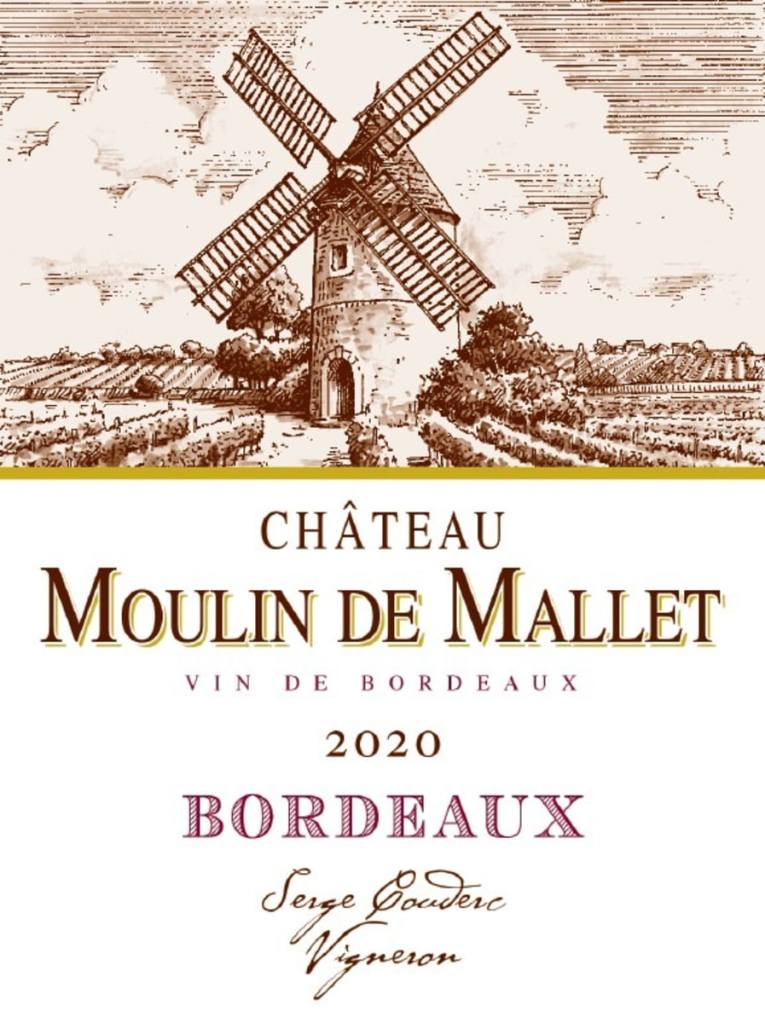
Chateau Moulin de Mallet 2020

Bordeaux Red Blends from Bordeaux, France

Merlot 90%, Cabernet Sauvignon 10%

Purchase Price: $12.98

Wine Enthusiast 90, ElsBob 86

ABV 14%

A deep garnet to deep ruby wine, with aromas of black fruits, medium bodied, strong tannins verging on overpowering and acidic.  Sub 90 wines always go better with spicy or tomato-based appetizers such as meatballs in a marinara sauce or aged cheeses such as cheddar, blue, or Gouda.

A good wine at an elevated price. I wouldn’t pay more than $8-9 for this wine. Currently the wine ranges from $12-15.

Trivia: In the 17th century, the Médoc, now home to legendary estates like Château Margaux and Château Latour, was a marshland, better known for corn than Cabernet. Dutch masters of hydraulic engineering and maritime trade drained the swamps, transforming them into arable land ideal for vineyards. Their aim was strategic rather than altruistic: to buy Bordeaux wine and sell it to the English at a modest profit, or a ludicrous one, if the winds blew favorably.

Windmills pumped water into manmade canals that emptied into the Gironde estuary, terraforming the landscape into a system of trade, terroir, tale, and endless lore. Though water management continues today, steam and electric pumps have long replaced the windmills. Most were dismantled or left to decay, their blades stilled by steam and electric pumps.

One survivor, the restored 18th-century Moulin de Lansac and another, depicted on the wine label shown above, Moulin de Mallet, were not water-pumpers but grain-grinders. Moulin in French translates to grain-grinder, turning wind into flour rather than marsh into vineyard. Still, it stands as a quiet admission of simpler times.

Dutch windmills turning. Pleistocene gravels emerging. French vines growing.

Like the circles that you find in the windmills of your mind “ by Noel Harrison, The Thomas Crown Affair, 1968.
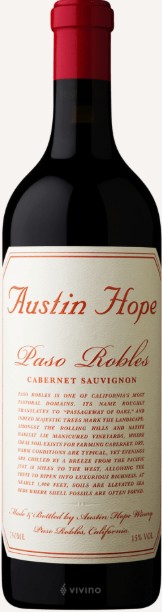
Austin Hope Cabernet Sauvignon 2021

Cabernet Sauvignon from Paso Robles, California

Purchase Price: Gift (~$60)

ElsBob 93

ABV 15%

A deep bright ruby in color with notes of blackberry and plum, full bodied, wonderfully tannic with an acidic balance, followed by a long, pleasant finish. This wine will pair well with all red meat dishes, cheeses, or just by itself; which I hightly recommend. Simply irresistible—Robert Palmer cool.

A excellent fine wine at a great price. Drink now or hold for 10-15 years. Current prices are in the $55-65 range. Cheers.

Trivia: For centuries, the thermal springs of Paso Robles, California have been a source of sulphuryl sanitorium healing and naturally, a tourist sensation. First revered by the Salinan indigenous people and later developed by Franciscan padres, these geothermal waters gained national fame in the late 19th century when entrepreneurs like Daniel Blackburn and Drury James developed the area into a luxurious spa destination. The Paso Robles Inn, built atop the sulfur springs, drew travelers from across the country, including famed pianist Ignacy Paderewski, who sought relief from arthritis in the mineral-rich baths.

Over time, urban development and shifting groundwater dynamics led to a decline in spring activity. Some wells dried up, and the once-thriving spa culture faded. But in 2003 the San Simeon 6.5 earthquake shook the Paso Robles area causing two sulfur springs to erupt; one beneath the city hall parking lot, creating a massive sinkhole. Because this was California it took 7 years to fill the giant hole in.

As an aside, Drury James was the uncle of Jesse James. Following a bank robbery in Kentucky, Jesse and his brother Frank hid out at Drury’s La Panza Ranch in California during the winter of 1868-1869.

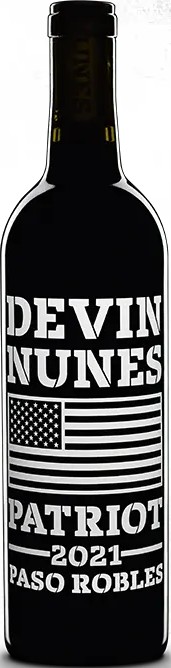
Devin Nunes Patriot 2021

Cabernet Sauvignon from Santa Margarita Ranch, Paso Robles, California

Purchase Price: $50.00

ElsBob 93

ABV 14.29%

A clear deep ruby color, full-bodied and bold with aromas of dark fruit and oak. On the palate the wine exhibits tastes of cherries and plums. Slightly acidic with noticeable but fine tannins and a very long satisfying finish. We served this wine over a meal of cheese tortellini in a mushroom garlic alfredo sauce topped with a grilled chicken breast. Somehow it worked perfectly.

An excellent fine wine at a very reasonable price. Drink now or hold for another 10 plus years.

Trivia: Devin Nunes’ winemaking venture is a revival of his family heritage. His grandfather farmed grapes in California, and the family vineyards endured until the 1990s. In 2020, Nunes leased vineyards in San Luis Obispo County and partnered with winemaker Mike Sinor to craft blends using Portuguese varietals.

This Cabernet Sauvignon is named The Patriot, a moniker crowdsourced via Truth Social. The bottle design features large white lettering reminiscent of vintage port, a possible nod to Nunes’ less ostentatious Portuguese roots and perhaps a subtle dig at Napa’s more overt polish. Part of his folksy branding includes leaving bottle neck naked sans the capsule, stripped of all pretenses on the rack, a silent expression of independence in a land of hyper-homogeneity.

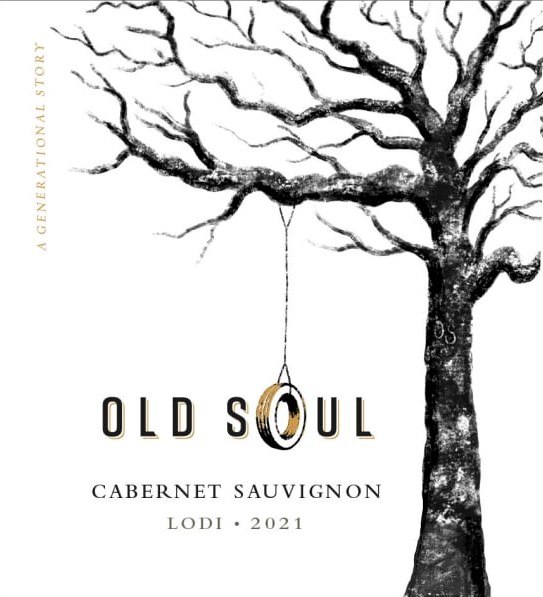
Old Soul Cabernet Sauvignon 2021

Cabernet Sauvignon from Lodi, California

Purchase Price: $11.99

Tasting Panel 91, Wine Enthusiast 90, ElsBob 90

ABV 14.5%

Garnet in color, aromas of plums, full-bodied, dry with a tannic finish.

An excellent fine wine at a very reasonable and friendly price.

Trivia:  The first mug of A&W Root Beer was poured in Lodi in 1919, making it the birthplace of one of America’s earliest fast-food franchises. Also, John Fogerty admits he never actually visited Lodi but chose the name for the CCR song because it sounded cool: “Oh Lord, I’m stuck in Lodi again”. Continuing with Lodi irreverence, the town’s west edge features the geographic head scratcher of South Lower Sacramento Road located north of North Lower Sacramento Road.

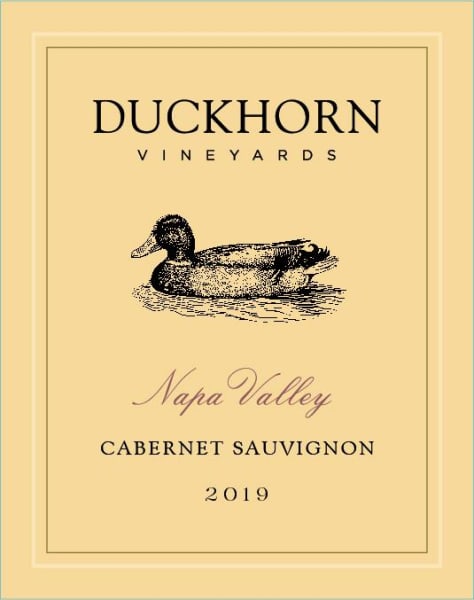
Duckhorn Napa Valley Cabernet Sauvignon 2019

Cabernet Sauvignon from Napa Valley, California

Cabernet Sauvignon 83%, Merlot 13%, Cabernet Franc 2%, Petit Verdot 2%

Purchase Price: $59.99

James Suckling 92, Wilfred Wong 92, Connoisseurs Guide 91, Wine Spectator 90, Wine Buyer 90, ElsBob 92

ABV 14.5%

A dark ruby wine with aromas of anise, dark fruits, spices, and vanilla. Full-bodied, with tingly fresh acidity, tannins with a bite, and flavors of blackberries and black cherries on the palate. A wonderful long finish.

An excellent fine Napa wine at a fair price. Recent retail prices range from $60 to $115, with a median price just under $70 for a 92-point 2019 vintage. Selected retail is $78.

Trivia: Founded in 1976 by Dan and Margaret Duckhorn in St. Helena, Duckhorn Vineyards was one of Napa Valley’s first 40 wineries. Their inaugural releases in 1980 included both Cabernet Sauvignon and the now-iconic Merlot. Over the decades, they expanded into Sonoma, Anderson Valley, and Washington State under various duck-themed labels.

Beginning in 2007, the Duckhorns began selling controlling interests to private equity firms. After several transitions to various companies, the winery was acquired by Butterfly Equity in 2024, a firm specializing in food and beverage investments.

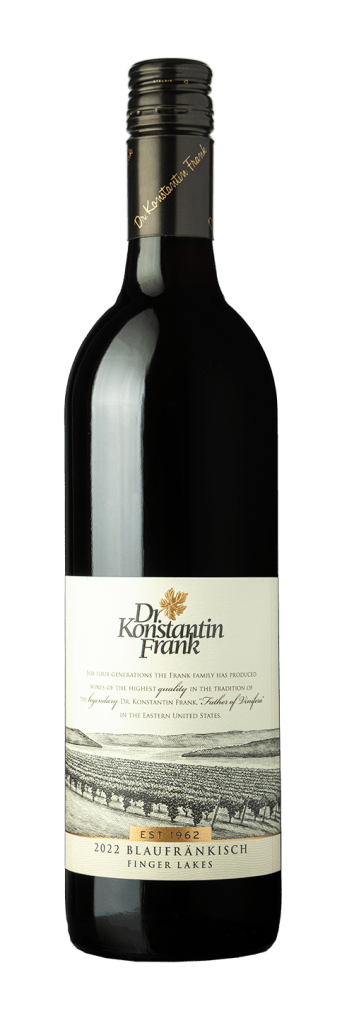
Dr. Frank Konstantin Blaufrankisch 2022

Blaufrankisch from Finger Lakes, New York, U.S.

Purchase Price: $27.99

ElsBob 87

ABV 12%

Aromas of blackberry, black cherry, and spice. Red fruits dominate the palate with firm tannins and a medium body, but the acidity is not for the faint of heart, tending to overshadow the fruit. Decanting is recommended to soften its sharper edges. Will pair well with hard, sharp cheeses.

A very good table wine, but not worth $28. If you can find it for $12 or less give it a try.

Trivia: Blaufrankisch has been called “the Pinot Noir of the East” for its finesse-meets-spice profile (not really) and its deep roots in Central European wine culture. It’s also a parent of the Zweigelt, Austria’s most planted red grape.

Blau means “blue” in German, referring to the grape’s dark skin, while Fränkisch historically denoted noble grape varieties in contrast to lesser “Hunnic” or more rustic ones. Despite its Germanic name, Blaufränkisch likely originated in what is now Slovenia. It’s a cross between Gouais Blanc (a prolific parent of many noble grapes such as Chardonnay, Gamay, and Riesling) and Blaue Zimmettraube.  

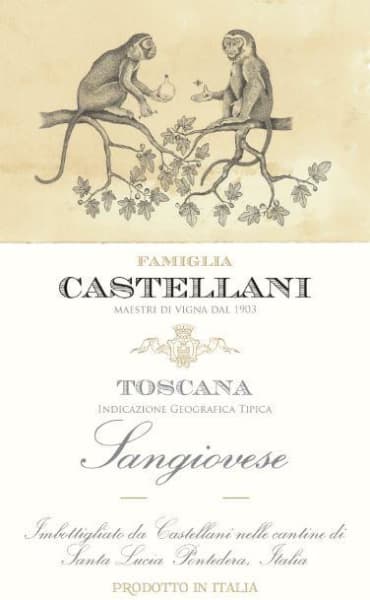
Castellani Sangiovese Toscana 2019

Sangiovese from Tuscany, Italy

Purchase Price: $14.99

James Suckling 91, Wilfred Wong 90, ElsBob 88

ABV 13%

A medium to dark garnet red, medium-bodied wine with aromas of red cherries and spice. Forward tannins and mild acidity give it a bit of structure, with a hint of sweetness that softens the edges. The finish is short but pleasing, an easy companion for pizza, tomato-based pastas, and hard cheeses.

A very good table wine at a reasonable price. Recent prices range between $14-24. Anything over $17 is a bridge too far.

Trivia: This wine hails from the Castellani family’s coastal vineyards in Tuscany, near the Tyrrhenian Sea, and is classified as a Toscana IGT. Though it’s made from 100% Sangiovese, a composition fully permissible under Chianti DOCG rules, it does not qualify as a Chianti, as the vineyards lie outside the designated Chianti zones.

The winemaker notes that they follow an “old traditional Tuscan vinification method.” Given the wine’s modest 13% ABV, this likely refers to fermentation in concrete vats, extended skin contact, and the use of native yeasts, a nod to pre-industrial winemaking. It almost certainly does not involve the more elaborate Governo all’Uso Toscano (translates roughly to Tuscan-style winemaking) method, which requires an early harvest, partial grape drying, and a second fermentation that typically results in higher alcohol and a richer body.

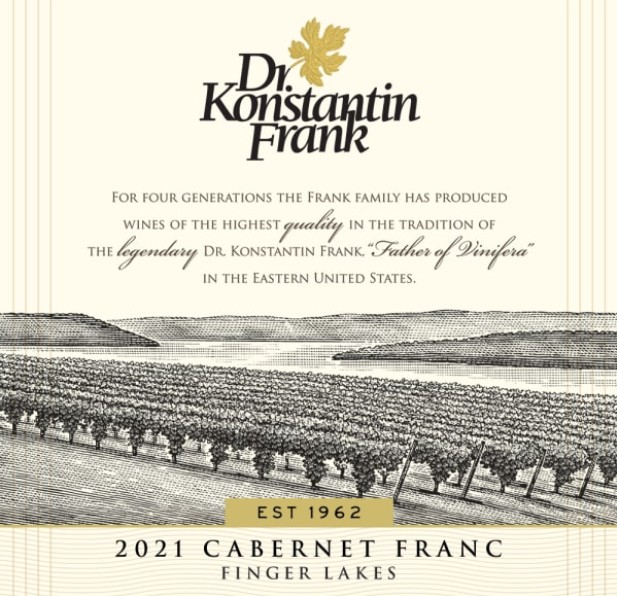
Dr. Konstantin Frank Cabernet Franc 2021

Cabernet Franc from Finger Lakes, New York, U.S.

Purchase Price: $27.99

ElsBob 89

ABV 12%

A clear medium garnet to a deeper ruby in color, aromas of fresh red fruits, medium-bodied, slightly acidic with balanced, moderate tannins. A nice finish but brief.

A very good table wine at an elevated price. Currently retails from $28-30. Pay the suggested retail for the novelty but a second bottle, probably not.

Trivia: The first known vineyard in the Finger Lakes area was planted by William Bostwick in 1829. In 1860 the Pleasant Valley Wine Company became the first commercial winery in the area, followed soon after by the Taylor Wine Company in the early 1880s (closed 1995). Konstantin Frank planted the first vinifera (European) vines in 1957 in the Finger Lakes and the winery lays claim to some of the oldest vines still producing in the US. In 1982 Finger Lakes AVA was officially recognized. Today over 100 wineries dot the region with Riesling the signature varietal.

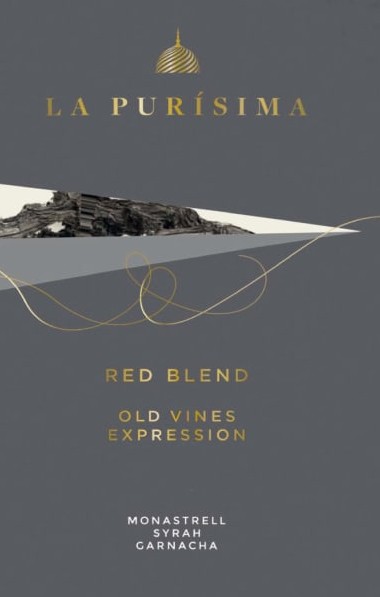
Bodegas La Purisma Old Vines Red Blend 2019

Red Blend Other (GSM) from Yecla, Spain

Monastrell (Mourvedre) 85%, Syrah 10%, Garnacha (Grenache) 5%

Purchase Price: $12.99

James Suckling 93, Wilfred Wong 90, ElsBob 89

ABV 14.5%

A dark cherry in color, medium to full-bodied, aromas of black ripe fruits with a touch of vanilla and spice. Balanced acidity and tannins with a strong, long finish.

A very good fine wine that retails around $11-19. Don’t pay more than $15 for this wine. Drink now or let it age for up to another 5 years. Cheers.

Trivia: Bodegas La Purísima is a cooperative of small-holding farmers in Yecla, Spain, united under the stewardship of María Teresa Ruiz González. Their old-vine Monastrell, over 40 years in age, thrives on 250 acres of sand and limestone soil. Grapes are picked by hand in late October, preserving the integrity of the fruit and the tradition behind the growers and the blend.

Millworks Pillar & Post Cabernet Sauvignon 2018

Cabernet Sauvignon from Napa, California

Purchase Price: $19.99 (retail range $20-22)

Cellar Tracker 89, ElsBob 89

ABV 14.5%

A deep, dense red with full body and aromas of black currants and blackberries. Tannins are assertive up front, balanced by acidity, leading to an excellent finish.

A fine wine with surprising structure and complexity at this price point. Drink now or hold for 2-3 more years.

Trivia: This wine was produced by Millworks, a now-defunct label and bottling entity owned by Paul Hobbs. Though both the company and label are no longer active, the wine’s origins trace back to Paul Hobbs Winery, where it was vinified using Hobbs’ signature methods and materials. The grapes were sourced from Napa Valley vineyards not owned by Hobbs, placing this bottle stylistically adjacent to his Sonoma Crossbarn project, which similarly emphasizes quality fruit and precise techniques, including wines crafted from both estate and non-estate sources. A quiet echo of Hobbs’ craftsmanship, delivered under a separate name. (Editor’s note: This section was pieced together from disparate and incomplete sources, so its accuracy may be imperfect.)