The Roman Jewish Wars

During the first and second centuries AD there were 3 major Jewish revolts against Roman rule in Judea: The first war from 66-73 AD, the Kitos War from 115-117 AD, and the Bar Kokhba Revolt from 132-135 AD. Roman taxation, financial exploitation, religious persecution, oppression, extrajudicial executions, and the plundering of the Second Jewish Temple all contributed to the conflicts.

Roman punishment increased with each successive war eventually leading to wholesale depopulation of Jewish communities by enslavement, death, and exile. It is believed that upwards of 1.3-1.4 million Jews were killed during these revolts, which would have been about one-third of the total worldwide Jewish population. After the Bar Kokhba Revolt the Romans renamed the area Palestina after the Philistines who populated the general area before the 6th century BC.

Source: Josephus. Wikipedia, Heritage-History, WorldHistory, Alchetron, Britannica. Graphic: Roman Triumphal panel from Beth Hatefutsoth showing spoils from the Jewish Temple. Max Morris 2016.
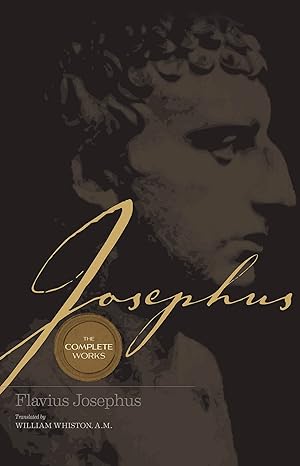
Jewish, Roman, Historian

Flavius Josephus, a first century Jewish scholar and historian wrote four extant works:

  1. The Jewish War. (Jewish Revolt) 75 AD – The first revolt against the Romans from 66-73 AD
  2. The Antiquities of the Jews. 95 AD – From Adam to the death of Herod’s sons
  3. Against Apion. 97 AD – A defense of Judaism
  4. Vita or The Life of Flavius. 99 AD – Biography

These works provide significant source material and insight into first-century Judaism and Christianity.

Josephus was born into the Jewish priesthood on his father’s side and of Hasmonean royal descent maternally. He served in the Jewish military during the Jewish War but surrendered to the Romans and he was considered a traitor to Jews ever after. While waiting to be executed by the Romans he predicted that Vespasian would eventually be crowned emperor of Rome. Vespasian, because of the prophecy, spared his life and made him a consultant, but still a slave, to the Roman army. Josephus gained his freedom when Vespasian became emperor in 69 AD, at which time he changed his name to Flavius Josephus. Flavius was the family name of the emperor Vespasian.

Source: Josephus: The Complete Works, 2003. Jewish Virtual Library. World History Encyclopedia.