Quinta do Vallado Douro Tinto 2022

Red Blend Other from Douro, Portugal

Touriga Nacional, Touriga Franca, Vinhas Velhas, Tinta Roriz, Tinta Barroca, Sousão

Purchase Price $18.99

Wine Enthusiast 91, Robert Parker 90, Wine Spectator 90, Cellar Tracker 89, ElsBob 90

ABV 13.5%

A deep purple medium-full bodied wine with aromas of florals, spice and red fruits. Tastes of plums and bright tannins. Nice balanced, structure with a medium finish. This wine will pair well with hearty meats and pasta dishes.

An excellent table wine at a reasonable price. Current prices range from $19-23.

Trivia: The Douro Valley was officially demarcated as a wine region in 1756, making it the oldest legally defined wine region in the world. The demarcation was established to combat merchants who diluted Port with inferior wines: unscrupulous scurvy dogs of questionable sobriety. This system of quality control ensured authenticity and became the model for wine denominations worldwide.

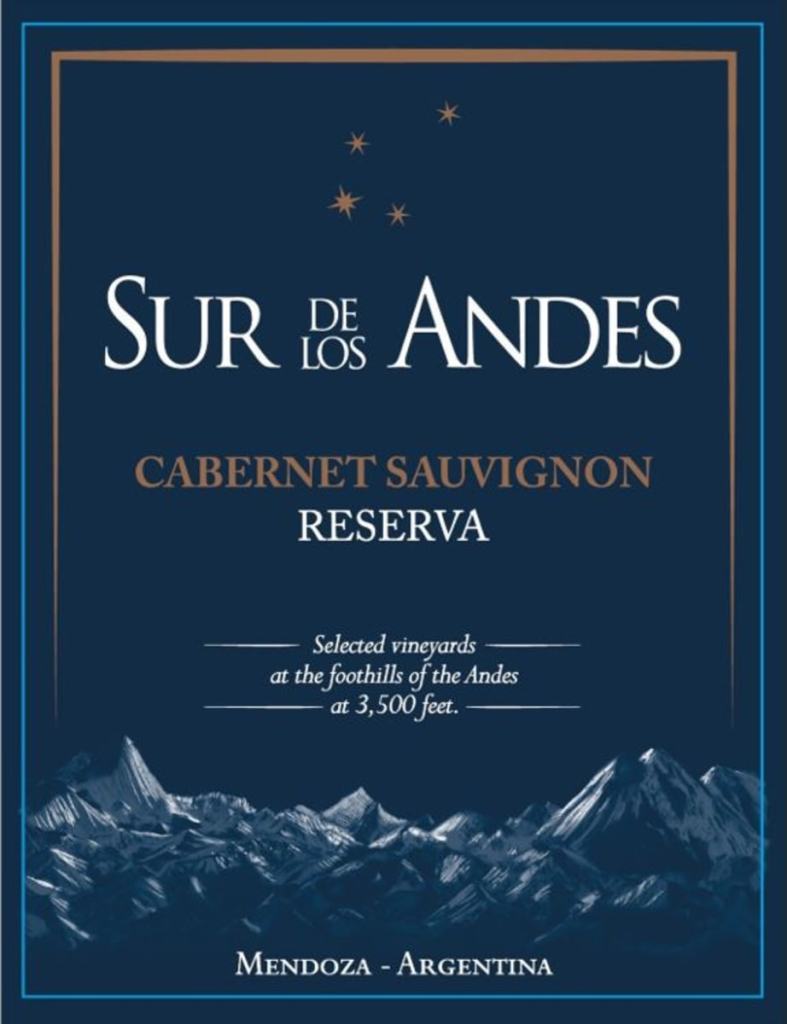
Sur de los Andes Reserva Cabernet Sauvignon 2021

Cabernet Sauvignon from Mendoza, Argentina

Purchase Price $16.99

Vinous 91, James Suckling 90, Wilfred Wong 90, Wine Enthusiast 87, ElsBob 88

ABV 14.0%

A deep ruby to deep purple full-bodied wine. Black fruit and oak on the nose and cherries on the tongue. A lasting tannic finish.

A very good fine wine but don’t pay more than $12-13. Current prices range from $18-34.

Trivia: Today Mendoza evokes vineyards and wine. But before the grape, before the Jesuits, before the Spaniards, before the Incas, there were the Huarpe people. In the Andean shadows of the setting sun, settlement was about water, trade, and brute survival on the high plains of an arid frontier.

The Huarpes lived in the Huentota Valley (modern Mendoza), the Uco Valley, and parts of San Juan. Masters of irrigation, they engineered acequias: canals that diverted river water to sustain maize, beans, squash, and, through trade, potatoes. Their skill made agriculture possible in an otherwise dry landscape, and the legacy of those canals still shapes Mendoza’s tree‑lined streets today.

These acequias, often several feet deep, were carved in the pre‑metal age with bone and wooden digging sticks: a testament to persistence and communal labor in a harsh environment.

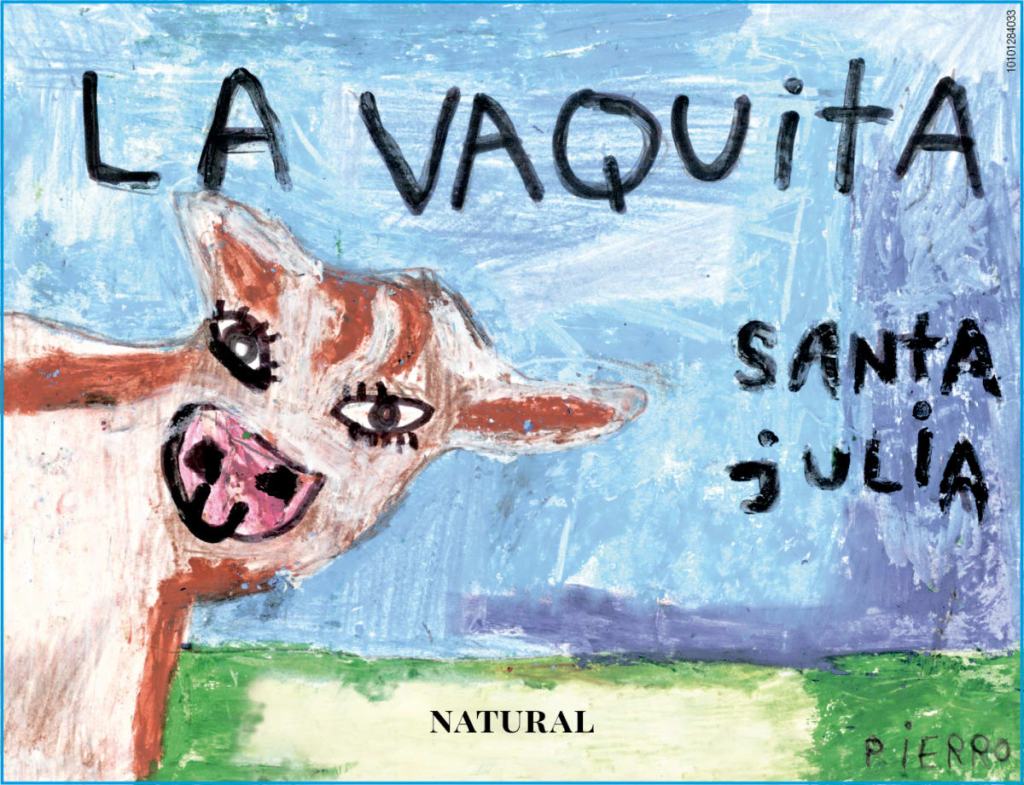
Santa Julia Natural La Vaquita Clarete 2024

Other Red Blends from Mendoza, Argentina

Malbec 80%, Torrontes 20%

Purchase Price $17.99

James Suckling 93, Robert Parker 90, ElsBob 90

ABV 13.5%

A pale ruby wine with a pink rim. Aromas of fresh cherries. Medium bodied with subtle tannins and a medium acidity that provides for a nice refreshing, but short, finish.

An excellent table wine at a remarkable price. Current price is around $20.

Trivia: Trivia: “La Vaquita” translates from Spanish to English as “the little cow.”

Cheese maker La Vaquita was established in Houston, Texas, in 1971 by Mexican immigrant María Castro.  Known for Mexican-style dairy products such as queso fresco, crema, and butter, the company began as a kitchen-scale project and eventually became Castro Cheese Company. It was acquired by Dairy Farmers of America (DFA) in 2009, and in 2025 DFA opened a second Hispanic cheese plant in Monroe, Wisconsin.

Additional trivia useful mainly on Jeopardy is that Wisconsin produces more cheese than any other U.S. state, churning out over 3 billion pounds annually. California comes in second at about 2.5 billion pounds, dominated by mozzarella production.

Chateau Pey La Tour Bordeaux 2022

Bordeaux Blend from Bordeaux, France

Merlot 83%, Cabernet Sauvignon 7%, Cabernet Franc 7%, Petit Verdot 3%.

Purchase Price $18.99

James Suckling 90, Wine Enthusiast 88, ElsBob 88

ABV 15%

A deep ruby wine with aromas of smokey fruits and cherry flavors on the palate. Full-bodied, dry, slightly acidic and tannic but balanced. A fresh short finish. Will pair well roasted beef and sharp cheese.

A very good fine wine but underwhelming and on the pricey side. This is an AOC Bordeaux, entry-level red for the producer. Current price is about $20.

Trivia: The wine estate dates to the 1700s and was originally called Clos De la Tour. In 1990 it was purchased by the Dourthe group, a major Bordeaux negociant (merchant), which expanded the original vineyards from about 62 acres to 620 acres but only about 335 acres are planted in grapes. The vineyard is roughly 95% Merlot with minor amounts of grape varieties as shown above. It produces about 85,000 cases per vintage.

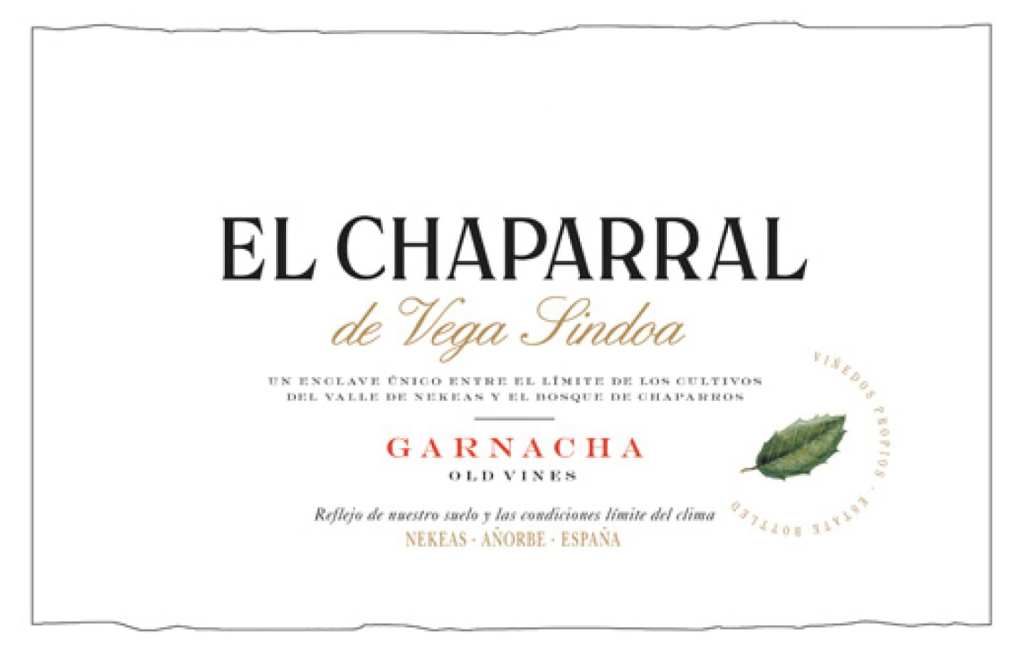
Bodegas Nekeas El Chaparral de Vega Sindoa Old Vines Garnacha 2021

Grenache from Valley of Valdizarbe, Navarra, Spain

Purchase Price $14.97

James Suckling 92, Cell Tracker 85, ElsBob 88

ABV 15%

A deep purple to garnet in color wine. Medium-full bodied with aromas of black fruit and spice. More tannic than smooth, very dry and medium acidity. A modest finish that will go well with acidic foods. Not a great sipping wine.

A very good fine wine at a fair price. Current prices range from $13-17.

Trivia: Spain’s Valley of Valdizarbe is the smallest wine subzone in Navarra, covering about 920 hectares (3.6 square miles). The valley lies directly on the Camino de Santiago (Way of St. James), where medieval pilgrims and Cistercian monks helped establish and refine viticulture traditions.

Winegrowing here dates back to the 2nd century BC, when Romans cultivated vines in the fertile valley, drawn by its strategic position as a trade route linking northern Europe with the Iberian Peninsula. By the 14th century, Valdizarbe wines were being shipped as far as the North Sea and English monasteries.

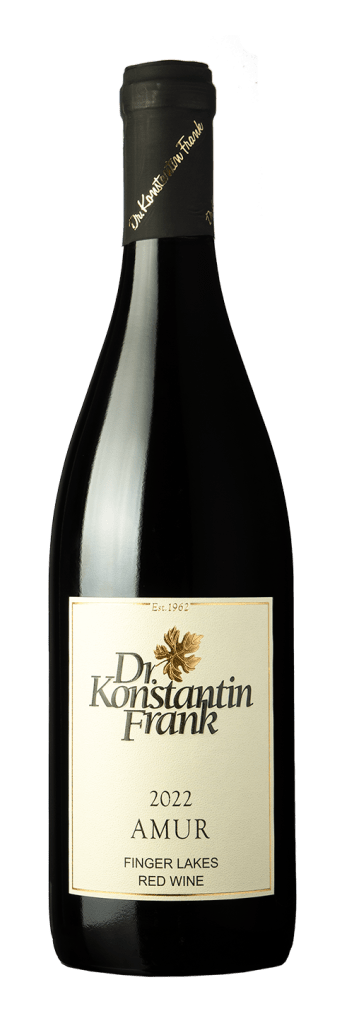
Dr. Konstantin Frank Amur 2022

Amur from Finger Lakes, NY.

Purchase Price: $34.99

ElsBob 89

ABV 12.0%

A deep red full-bodied wine with aromas mainly of dark fruits, firm tannins, and notable acidity. Overall, a rather subdued wine that is fitting for restrained foods with delicate flavors such as classic cheesecake or a chocolate mousse.

A very good table wine but overpriced. As a novelty though it is worth trying.

Trivia: Amur grapes tolerate extreme cold, surviving temperatures under      -40°F/-40°C (the cosmic duality of thermal frost). But they do require a fairly wet, subhumid to humid, growing season. They also ripen early, allowing for growing in the mid-latitudes, otherwise known as the snow-belt.

The roots contain rare compounds called oligostilbenes which have shown potential anti-inflammatory and anti-cancer properties in early studies. So don’t take any unnecessary chances: drink up.

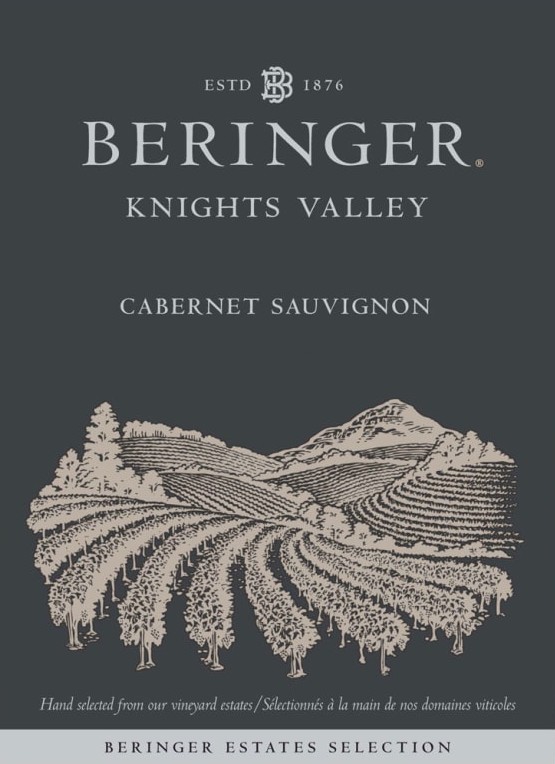
Beringer Knights Valley Cabernet Sauvignon 2019

Cabernet Sauvignon from Sonoma County, California

Cabernet Sauvignon 87%, Merlot 8%, Cabernet Franc 2%, Malbec 2%, Petit Verdot 1%

Purchase Price ~$40 (Gift)

James Suckling 94, Wine & Spirits 92, Robert Parker 90, ElsBob 91

ABV 14.5%

A dense deep ruby with a pale red rim. Full-bodied wine with aromas of cherries, blackberries, with hints of lavender and spice. On the palate, approachable tannins, crisp acidity, and beautiful long finish. A wine made to enjoy with ribeyes and filets.

An excellent fine wine at a slightly elevated price. The wine is hard to find but Beringer still offers it for sale on their website for $24 (half bottle).

Trivia: Knights Valley, originally known as Mallacomes Valley, was granted to José de los Santos Berryessa by the Mexican governor in 1843. In 1853, Thomas B. Knight, a native of Maine and a veteran of the Bear Flag Revolt of 1846, purchased much of Berryessa’s ranch. Knight renamed it Rancho Muristood and planted vineyards, fruit trees, and wheat. Mallacomes Valley gradually became known as Knights Valley. After Knight’s death in 1881, the property passed through numerous hands, and much of the land reverted to small farms and cattle ranches. By the mid‑20th century, viticulture returned when Beringer bought large tracts of land in the valley and initially focused on Cabernet Sauvignon and other Bordeaux varietals. They released their first Knights Valley wine in 1974.

Domaine Cabirau Maury Sec ‘Second Effort’ 2021

Red Blend Other from Languedoc-Roussillon, France

62% Grenache, 38% Syrah

Purchase Price: $14.00

Jeb Dunnuck 94, Rober Parker 90-93, ElsBob 92

ABV 14.5%

An opaque ruby colored wine, medium-full bodied, with powerful aromas of black fruit and pepper. Red berries on the palate with a wonderful long balanced finish.

An excellent fine wine at a ridiculous price. Current pricing ranges from $22-28.

Trivia: In the 12th century, Languedoc became the epicenter of the Cathar movement: a dualist Christian sect deemed heretical by the Catholic Church. Their beliefs challenged ecclesiastical authority and rejected materialism outright.

The Cathars held that a benevolent God created the invisible, eternal realm of spirit, while a malevolent demiurge, often equated with Satan, crafted the physical world. In contrast, Gnostic traditions dating back to Plato portrayed the demiurge not as evil, but as ignorant: a blind artisan who shaped the material realm without awareness of the higher divine source. For the Cathars, however, the true God was pure and transcendent, wholly uninvolved in the corrupt domain of matter. The physical world, including human bodies, was a prison of suffering, designed to entrap divine sparks of life: fallen souls of lost virtue, anchored in flesh.

For the Cathars, the goal was not to purify Earth but to escape it: to transcend flesh and return to its spiritual source. Their sole sacrament, the Consolamentum, was a spiritual baptism liberating the soul from the material world, often performed at death’s door. Readings from the Gospel of John, with emphasis on light and spirit, were central to this rite.

Their beliefs echo Socrates in the 5th century BC, who taught that man’s highest task was to keep his soul bright and shiny. Death, for Socrates, was not an end but a door to a new beginning in a higher realm of destiny for the safe-guarded virtuous soul.

The Cathar movement was ultimately extinguished, beginning with Pope Innocent III’s Albigensian Crusade in the 13th century and continuing through the Medieval Inquisition into the mid-14th century. Through the efforts to stamp out the sect it is estimated that between 200,000 and 1 million adherents were killed by hanging, burning, or other brutish methods. Raphael Lemkin, who coined the term genocide in 1944 to describe Nazi atrocities, recognized in the Cathar extinction a grim precedent: a spiritual lineage extinguished by fear that invisible truths might reshape visible order.

Centuries later, Deists such as American Revolutionary figures Washington, Jefferson, and Franklin embraced a belief in a benevolent Creator who did not intervene in human affairs. Like the Cathars and Socrates, they emphasized spiritual virtue over dogma, without dualist cosmology. The American Founders vision of divinity was rational, moral, and benevolent, interested in virtue, yet non-interfering in the affairs of man.

Bieler Pere et Fils La Jassine Cotes du Rhone Villages Rouge 2022

Rhone Red Blends from Cotes du Rhone Villages, Rhone, France

Grenache 60%, Syrah 40%

Purchase Price $14.99

James Suckling 90, ElsBob 91

ABV 14.5%

A medium purple with tawny rim and slightly opaque. A medium-full bodied wine with aromas plums, chocolate, and a whiff of tobacco. On the palate the tannins are easy and very well balanced with the acidity. A very nice finish. We enjoyed this with soft cheese and hard salami. Delicious.

An excellent fine wine at a very comfortable price. Current prices range from about $15-18.

Trivia: The Côtes du Rhône Villages appellation was officially established in 1967 to recognize superior-quality wines from select villages in the southern Rhone Valley. These wines rank above standard Cotes du Rhone but below Cotes du Rhone Crus (such as Chateauneuf-du-Pape).

The idea of distinguishing higher-quality Rhone valley wines began circulating in the 1950s. By 1953, five communes: Cairanne, Gigondas, Chusclan, Laudun, and Saint-Maurice-sur-Eygues were identified for their exemplary potential. Wineries could append their village name to the label if they met strict production standards, minimum alcohol levels of 12.5%, and grape composition of at least 50% Grenache, and 20% Syrah.

Today, 21 villages are allowed to include their name on the label, while others use the generic “Côtes du Rhône Villages” designation. Bieler Pere et Fils chose not to list their village, but their La Jassine Cotes du Rhone Villages Rouge 2022 originates from Valreas, located in the northern reaches of the Southern Rhone Valley.

On the label is rooster or classic French coq: a symbol of traditional farming, terroir authenticity and rural pride.

Michel de Montaigne Bergerac 2019

Bordeaux Red Blends from Southwest, France

Merlot 60%, Cabernet Franc 20%, Cabernet Sauvignon 20%

Purchase Price $16.99

Wine Enthusiast 90, Wilfred Wong 90, ElsBob 90

ABV 14%

A clear ruby to purple wine in color. A medium to full bodied wine with aromas of red and black fruits and spice. On the palate plums and cherries predominant with oak derivatives. The tannins are meaty and balanced with crisp acidity. A beautiful finish that will compliment most beef dishes.

An excellent fine wine at a very attractive price. Current prices range from $13.50-18.00.

Trivia:  Michel de Montaigne was likely the most influential philosopher of the 16th-century French Renaissance. A dyed-in-the-wool skeptic, a cantankerous crank whose motto Que sais-je? (“What do I know?”) enshrined his worldview; much like Socrates, who also claimed to know nothing. Montaigne questioned everything and taught that doubt was the only path to wisdom.

But he carried it too far: intellectually thin and logically obtuse. He believed that customs and morals were cultural artifacts, lacking any universal tether. Truth, for Montaigne, was a matter of perspective; malleable, contingent, shaped by accepted practice. One man’s cannibal was another man’s epicurean.

To anchor this relativism, he wrote: “We are, I know not how, double in ourselves, so that what we believe we disbelieve, and cannot rid ourselves of what we condemn.” A long-winded version of c’est la vie (“that’s life”), or more precisely, à chacun son goût (“to each his own”).

Experience was his shrine, but it lacked a foundation. No base of knowledge to anchor belief. A man easily swayed by his own prejudices and lack of a black and white moral code.

His philosophy of go-along-to-get-along, born of tolerance and introspection, risked becoming a prescription for annihilation, not of others, but of moral clarity and oneself. A path to accepting everything and believing nothing. A philosophy polished so smooth it reflects everything and reveals nothing.