Cru Food and Wine Bar, 9595 Six Pines Dr., Suite 650, The Woodlands, TX (Market Street)
Price: $$$ / $$$$$
Ambiance: 3.5/5
Service: 3.5/5
Food: 4.0/5
Cru, a French term meaning growth but is generally taken to mean terroir or more specifically the quality of a wine grown and produced from a specific terroir. Premier Cru and Grand Cru terms are typically associated with outstanding to excellent quality wines from distinct geographic regions such as a top-level wine labeled Premier Cru from the Medoc region. Cru in Texas appears to be associated with copious choices for savoring tasty whites, bold reds, and all the colors in between; with and without bubbles.
Cru Food and Wine Bar, originally a Texas establishment, is slowly dispersing across the country and currently has 15 locations in the US; 10 in the Texas cities of Austin, Dallas/Fort Worth, and Houston; 2 in Atlanta, Georgia; 2 in Denver, Colorado; and 1 in Lexington, Kentucky. Cru is dedicated to offering superb wines by glass and bottle along with a nice selection of California coastal style entrees and appetizers.
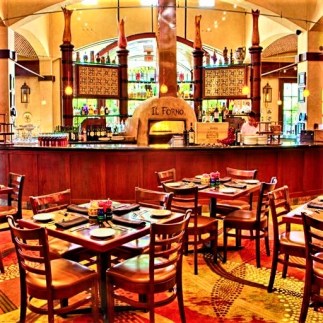
This is our first visit (7 March 2018) to Cru in The Woodlands. My wife and I stopped in around 8 o’clock in the evening for a glass or two of wine and maybe a small bite of something tempting. The bar and restaurant occupies a cozy little spot along the North Commons strip, across the street from the diminutive Central Park. You have three options for seating: a patio for observing the street scene and people watching, an indoor bar and a few small indoor tables that by themselves seat 2-4 comfortably. The interior is tastefully done with blown-up wine labels decorating the back wall. The interior space was clean and very quiet though there were only 3-4 couples seated around us. A casual and friendly atmosphere.
The waitress was very prompt greeting and seating us, and since it was our first visit, she was very pleasant in explaining the menu, which physically, was a thin wood panel with the food selections on one side and the wine by glass on the other. I’m not sure who originated this type of menu but it sure is common, albeit nice, for wine bars all across the country. They had a separate menu for libations and their extensive wine by the bottle offerings. The waitress continued to check in on us for orders and to see if all was well. The only small censure I had with the service was the visits to our table were a tad too spread out; 15-20 minute visit frequency, but I’m likely being overly critical.
 While we studied the food menu we started off with a couple of glasses of a 2012 vintage Tolaini Valdisanti Tenuta S. Giovanni Toscana IGT from Tuscany, Italy at $20 per glass (I’m relying on my memory for the prices so I may be off a bit). A wonderful wine of dark fruits, full-bodied, well structured, with velvety tannins that leave you wanting more. The wine is a red blend of 75% Cabernet Sauvignon, 20% Sangiovese, and 5% Cabernet Franc that I rate at 90, maybe 92. The serpent in the wine glass is the universal symbol for St. John the Baptist, “San Giovanni”, and is also the name of the Italian vineyard from which the wine hails. This wine retails, if you can find it, for $22-30 per bottle.
We eventually decided to have a few small morsels of cheese to go with our wine. They have 4 different “flights” of cheese boards that include 3 samples of various cheeses along with bread, grapes, sliced apple and pear. We chose the Chef’s Pick flight for $16 that consisted of Testun Ciuc, a bold Italian cheese aged in a wine barrel; a sheep’s milk Pecorino Brillo, aged in Chianti; and a cow’s milk Cashel Blue, an Irish blue-veined cheese. All were delicious but we really like the Testun Ciuc. The powerful flavor paired well with the Tuscan wine.
Our visit was delightful and we will be back, especially to sample some of the more interesting items on their menu such as Lamb Lollipops with blue cheese and prosciutto, Salsiccia pizza topped with goat, roasted peppers and Italian sausage, or the Cast Iron Seared Sea Scallops with spinach parmesan risotto. Their extensive wine offerings we didn’t even begin to scratch. They offer an ever-changing selection of about 30 wines by the glass and around 10 times that amount by the bottle. So little time to experience and enjoy, but we will persevere and try.

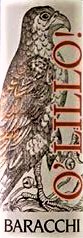 Drinks are always a meal prerequisite with us and the Grotto provides ample supplies of everything to satisfy our whims. Beers to martinis, wine to mojitos, your thirst can be satiated in multiple venues but we usually just partake in wine and beer. They have my standard Italian beers of Moretti and Peroni and an adequate selection of wines by the glass. They have a much more extensive selection of wine available by the bottle. For this visit we had a Baracchi O’Lillo Toscana IGT Super Tuscan, possibly a young 2016 vintage, that was very good. It was a blend of Cabernet Sauvignon, Merlot, and Sangiovese; brimming with full-bodied black fruits and leaving a lasting finish. I would rate this wine 90+, and for $10 a glass, a steal.
 Merlot from Riparbella, Pisa, Tuscany, Italy
 Runtime: 139 minutes
 Rated: PG — Runtime: 166 minutes
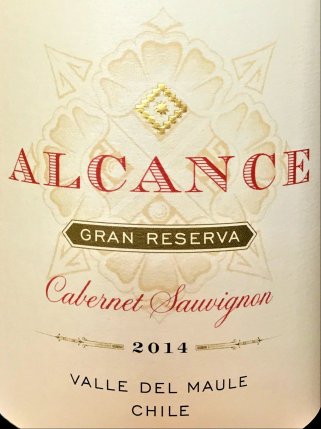 Cabernet Sauvignon from Maule Valley, Central Valley, Chile
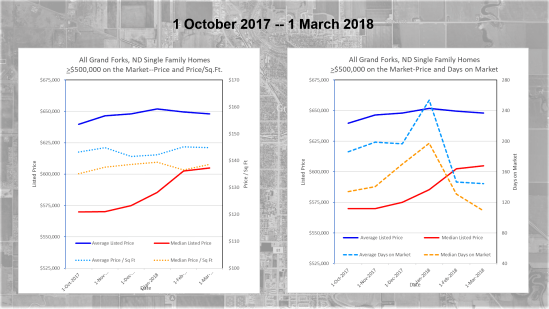
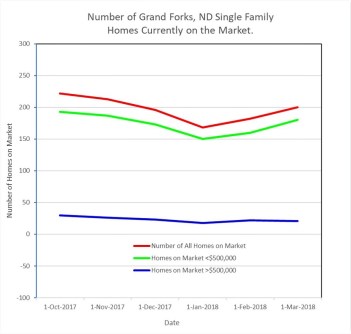 Trends from the previous month:

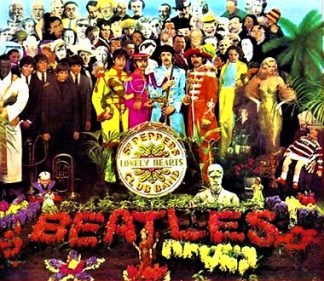 A few weeks ago I published a list of Top 100 Albums of all time based on the summed score of all the polls they were listed on. The list was compiled from 88 Top 100 album polls (actually some polls ranked up to a 1000 Albums) from the major aggregators such as: Rolling Stone, New Music Express, Entertainment Weekly and many others. I’ve also included the RIAA top 100 albums by sales for 2012 and 2017. No special reason for the years I chose. The Grammy’s Best Albums of the Year are also included, starting with Henry Mancini’s 1959 album,
  Obviously the more polls an album is listed on, the more likely they will make a list based on its summed score. To counter this effect I have published below a list based on an album’s average score in the various polls. This was accomplished simply by taking the summed score and dividing it by the number of polls an album is listed on. No surprise, but
  elsToday