Quinta do Vallado Douro Tinto 2022

Red Blend Other from Douro, Portugal

Touriga Nacional, Touriga Franca, Vinhas Velhas, Tinta Roriz, Tinta Barroca, Sousão

Purchase Price $18.99

Wine Enthusiast 91, Robert Parker 90, Wine Spectator 90, Cellar Tracker 89, ElsBob 90

ABV 13.5%

A deep purple medium-full bodied wine with aromas of florals, spice and red fruits. Tastes of plums and bright tannins. Nice balanced, structure with a medium finish. This wine will pair well with hearty meats and pasta dishes.

An excellent table wine at a reasonable price. Current prices range from $19-23.

Trivia: The Douro Valley was officially demarcated as a wine region in 1756, making it the oldest legally defined wine region in the world. The demarcation was established to combat merchants who diluted Port with inferior wines: unscrupulous scurvy dogs of questionable sobriety. This system of quality control ensured authenticity and became the model for wine denominations worldwide.

Chateau Pey La Tour Bordeaux 2022

Bordeaux Blend from Bordeaux, France

Merlot 83%, Cabernet Sauvignon 7%, Cabernet Franc 7%, Petit Verdot 3%.

Purchase Price $18.99

James Suckling 90, Wine Enthusiast 88, ElsBob 88

ABV 15%

A deep ruby wine with aromas of smokey fruits and cherry flavors on the palate. Full-bodied, dry, slightly acidic and tannic but balanced. A fresh short finish. Will pair well roasted beef and sharp cheese.

A very good fine wine but underwhelming and on the pricey side. This is an AOC Bordeaux, entry-level red for the producer. Current price is about $20.

Trivia: The wine estate dates to the 1700s and was originally called Clos De la Tour. In 1990 it was purchased by the Dourthe group, a major Bordeaux negociant (merchant), which expanded the original vineyards from about 62 acres to 620 acres but only about 335 acres are planted in grapes. The vineyard is roughly 95% Merlot with minor amounts of grape varieties as shown above. It produces about 85,000 cases per vintage.

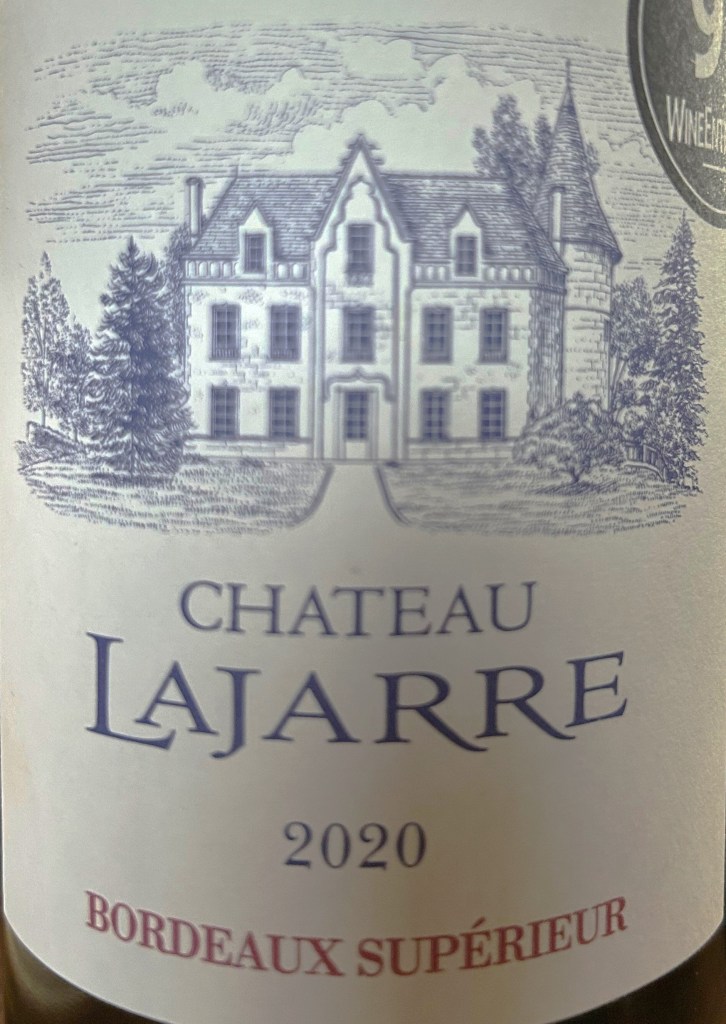
Chateau Lajarre Bordeaux Superieur 2020

Bordeaux Red Blend form Bordeaux, France

80% Merlot, 20% Cabernet Franc

Purchase Price: $14.99

Wine Enthusiast 87-91, ElsBob 88

ABV 13.5%

Aromas of black fruits, smooth, slightly acidic, medium bodied with a short finish. Will pair well with beef, pasta, and cheese. Serve slightly chilled.

A very good table wine at an elevated price. Probably not worth paying more than $12.

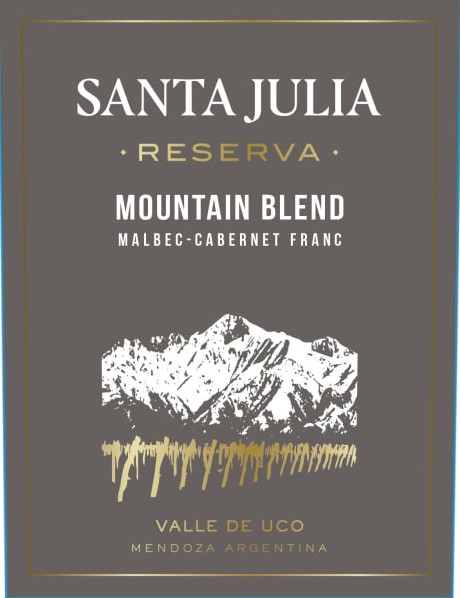
Santa Julia Reserva Mountain Blend 2022

Bordeaux Red Blends from Uco Valley, Mendoza, Argentina

70% Malbec, 30% Cabernet Franc

Purchase Price: $12.99

James Suckling 91, Robert Parker 91, ElsBob 90

ABV 13.9%

Aromas of plums and herbs, medium-bodied, tannic, balanced, with a medium finish on the palate. Enjoy it by itself or with a few Godiva chocolate truffes.

An excellent wine at less than half what you would expect to pay for a comparable wine.

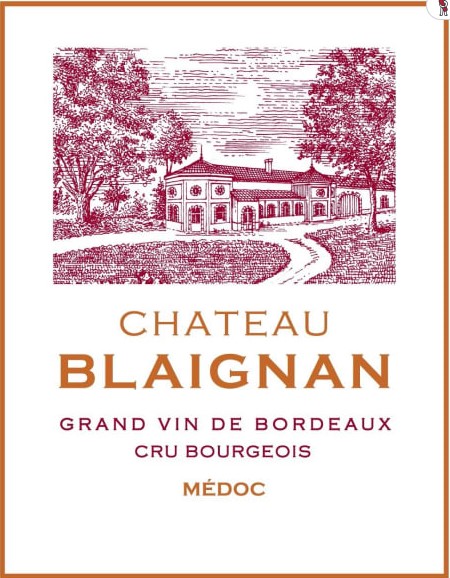
Chateau Blaignan 2018

Bordeaux Red Blends from Medoc, Bordeaux, France

Purchase Price: $60 (Restaurant)

Wilfred Wong 91, James Suckling 90, Wine Enthusiast 90, ElsBob 91.

ABV 14%

Aromas of black fruits and spice, medium to full-bodied, dry with silky tannins. We enjoyed this wine with medium rare, peppered beef filets with a side of grilled thick-cut vegetables: delicious.

An excellent fine wine at a little more than half the retail price (~$23) for a comparable vintage and rated wine.

Trivia: Château Blaignan is the one of the oldest winemaking estate in the Médoc region of Bordeaux. Documents dating back to the 15th century reveal that vineyards were planted in the Blaignan hamlet nearly 600 years ago.

Trivia II: During the 15th century, the Bordeaux region was a significant battleground during the Hundred Years’ War between England and France. The English kings, including Edward III, and Henry V, led several military campaigns in the region. The war culminated in the Siege of Bordeaux in 1453, which marked the end of English rule, by Henry VI, in the region and the conclusion of the Hundred Years’ War.

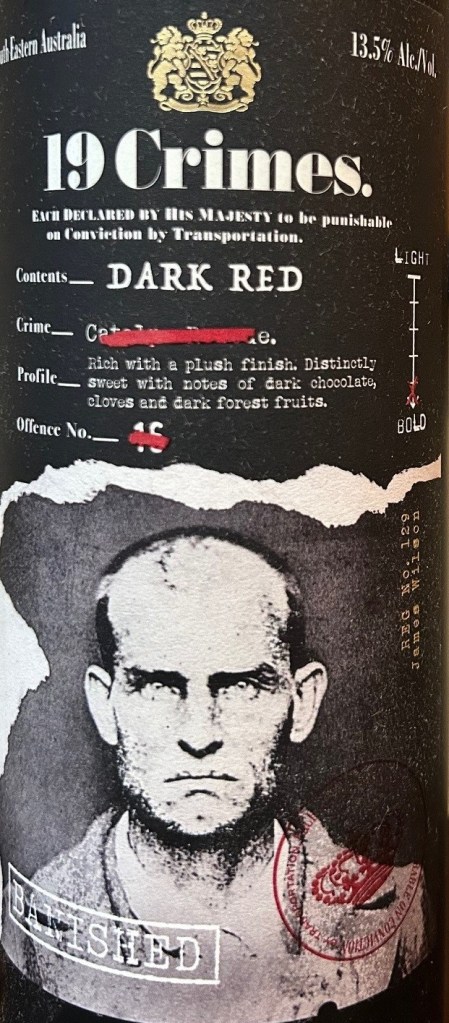
19 Crimes–The Banished Dark Red 2021

Red Blend from South Eastern, Australia

Purchase Price: $9.99

Vivino 92, ElsBob 91

ABV: 13.5%

Aromas of cloves and dark fruits, full-bodied, slightly sweet, and smooth. Will pair well with most red meats, cheese, and chocolate.

An excellent table wine at an unbelievable price, selling at half to a third of comparable wines.

Trivia: The wine is named after the nineteen crimes committed in Great Britian that were punishable by death or banishment to Australia. This punishment by ‘transportation’ began in 1788, and many of the lawless died at sea. For the rough-hewn prisoners who made it to shore, a new world awaited. As pioneers in a frontier penal colony, they forged a new country and new lives, brick by brick. This wine celebrates the rules they broke and the culture they built.

Mucho Mas Red Blend

Tempranillo, Grenache, Syrah/Shiraz from Spain.

Purchase Price: $14.99

Vivino 92, ElsBob 84

ABV 13.5 %

Cherry red in color, dark fruit aromas, medium body, and with rather difficult tannins. Serve with very spicy food.

The wine is a blend of different grape varieties possible from different regions and maybe different years. Vinification is only for a week or so then put into oak barrels for 3-4 months. After this very short malolactic fermentation the wine is blended and bottled. A wine before its time.

A good table wine but overpriced for the quality. You probably shouldn’t purchase this wine unless you can find it for under $8.

Atalaya Laya 2020

Other Red Blends from Spain.

Garnacha Tintorera 70%, Monastrell 30%.

Purchase Price: $8.99

Rankings: James Suckling 90, Robert Parker 90, ElsBob 89.

ABV 14.5%

A deep ruby with aromas of black fruits and spices, medium to full body, dry and not too acidic with a medium finish. A middle of the road wine that is useless for sipping, must drink with spicy food to appreciate.

A very good wine that is worth exploring if you can find it under ten dollars.

Burgo Viejo Palacio del Burgo Rioja Reserva 2010

W Burgo 2010Red Blend from Alfaro, Rioja Baja, La Rioja, Rioja, Spain

90% tempranillo

10% graciano

13.5% alcohol

Purchased: 12 July 2017 – $18.99

Opened: 20 Feb 2018

els: 9.0/10

Wine Spectator: 93

Stephan Tanzer: 90

Cellar Tracker: 90

Wine and Spirits: 90

Wine Enthusiast: 89

La Rioja, likely the most recognizable, if not the most famous wine region in all of Spain, is located 55-95 miles south of the Spanish-Atlantic coastline in the Ebro River valley, sandwiched between the Pyrenees and Cantabrian Mountains to the north and the Iberian Mountains to the southwest. The history of this area travels back to the time of the Phoenicians, followed by the Romans then the Christian Monks, all intent on producing ever better wines.  Then the French came and the rest is even more history, wine history that is. As phylloxera laid waste to the Bordeaux region in the 1870’s, the unemployed French wine makers migrated into the area and shared their expertise with the local population.

Rioja is divided into three regions: Rioja Alta, Rioja Alavesa, and Rioja Baja. The higher altitude Rioja Alta has alluvial soils of iron and lime, infused clays. Rioja Alavesa, at altitudes lower than Rioja Alta, consists of terraced vineyards growing in a mix of limestone and clays.  Rioja Alta and Alavesa enjoy a continental climate with 4 distinct seasons. Rioja Baja, at the lowest altitude,  has clay soils high in lime and iron growing grapes in a fairly mild Mediterranean climate.  The 3 areas have about 150,000 acres of vineyards producing 4 distinct classifications or categories of Rioja red wines: 1). Rioja wine aged less than a year in oak barrels; 2). Crianza is aged for at least two years, at least one-year of which is in oak; 3). Rioja Reserva is aged for at least three years with at least one-year in oak barrels; 4). Rioja Gran Reserva is aged for at least two-years in oak and three years in bottle. Garnacha, Tempranillo, Viura and Graciano are the main grapes grown in this region of 600 bodegas.

Tempranillo grapes are grown worldwide but Spain grows the lions share, approaching 90% of all acres planted across this blue planet.  Portugal comes in second with less than 10% of the grape’s plantings. The rest of the world occupies a position best described as rounding errors in total acres planted.  Tempranillo is an early ripening black grape with a thick skin, preferring high altitudes that provide hot days and cool nights. The cool nights provide the body and acidity while the hot days stimulate sugar production to higher levels while creating thicker, darker skins. The wines are ruby-red in color, redolent of berries, plum, tobacco, and vanilla.

Carignan, aka Mazuelo, is a red grape, common to southern France and Spain. The grape exhibits aromas of red fruit and spice with high acidity and tannins. It ripens late and produces high yields. The grape is used mostly to add a very deep red color to blends.

Later vintages of this Bodega’s wine have added the Graciano grape to the blend. It is almost exclusively a Spanish red wine grape grown primarily in Rioja. Graciano wine is purple to ruby-red exhibiting aromas of black fruits, cherries and plums.  The grapes love hot dry days.  The wine is generally blended with Tempranillo to add ageing potential and greater structure.

Bodegas Burgo Viejo was founded in 1987 by six Spanish families of La Rioja winemakers which today has grown today to 16 families. The winery is located in Alfaro, a small town of less than 10,000 people situated in the far southeastern edge of the La Rioja region. The town is on the eastern bank of the Ebro River and west of the Yerga Mountain. The Bodegas’ vineyards produce red and white wines in all 4 categories: Rioja, Crianza, Rioja Reserva, and Rioja Gran Reserva.

The almost 500 acres of family vineyards are scattered around the town of Alfaro and the Ebro River growing 90% red, along with 10% combined total of rose and white grapes; including Tempranillo, Mazuelo, Garnacha, Graciano and Viura. The vines are mainly 30 years old but some Garnacha vines exceed 90 years in age. The vines grow in the Rioja Baja terroir; soils of clay and lime at an elevation of approximately 1000′ above sea level. The average growing season temperatures have a range of 45-90ºF with rainfall averaging 2-3″ per month.

The grapes are fermented in controlled temperature, stainless steel tanks. Malolactic fermentation, after the primary fermentation, occurs in temperature stabilized concrete tanks. Once the malolactic fermentation process is over the wine is transferred to stainless tanks or oak barrels depending on the initial quality of the grapes. The Reserva and Gran Reserva wines are transferred to 60 gallon oak barrels; 80-90% American and 10-20% French oak. This wine spent 18 months in the oak barrels.

A clear ruby-red wine with a tawny rim. Aromas of cherries and red berries with vanilla in the background. Medium to full-bodied, very balanced and structured.  The tannins and acidity are working very well together producing a pleasant medium finish.

Enjoy with a Basque Tapas dish such as the very easy to make: Chorizo a la Sidra, or in English, Chorizo with cider.  You only need a couple of uncooked chorizo sausages and a little more than a cup of Spanish cider. Cut up the sausages into bite sized bits and add to a small cooking pan along with the cider. Cook over a medium high heat until the cider begins to exhibit a syrup like consistency. Remove from heat before the sauce gets too thick and arrange on a serving dish.  Dribble some more cider and Spanish spices, such as a crushed Bay leaf and saffron, on the sausages if you wish.  Serve with sour dough to soak up the sauce and Basque country Idiazabal cheese.

An outstanding wine at an OK price. The wine is getting scarce, as such, the price is increasing. Drink now, but should last until 2022-2025. Decant and aerate for one hour, or more, before drinking.

$20.99 wine.com

Bodegas Castano Solanera 2013

W Solanera 2013Other Red Blends from Yecla Region, Southern Spain

An Eric Solomon Selection

70% monastrell (mourvedre)

15% cabernet sauvignon

15% garnacha tintorera

14.5% alcohol

Opened 20 Jan 2018

els: 9.0/10

Wine Advocate: 92

Guia Penin: 89

Cellar Tracker: 88

Ramon Castano Santa and his 3 sons have nourished their Yecla vineyards since the 1950s and today they extend over almost 1500 acres, growing a wide assortment of grapes from the ancestral Monastrell, also known as Mourvedre, to Cabernet Franc, Cabernet Sauvignon, Chardonnay, Garnacha Tinta, Macabeo, Merlot, Moscatel, Sauvignon Blanc, Syrah, and Tempranillo. Some of the vines are in excess of 100 years old.  The vines for this wine are 40-100 years old, thus “vinas viejas” or old vines.

The family’s vineyards are located in the northern reaches of the Yecla region, near the foot of Monte Arabi, and are approximately 50 miles northwest of the Mediterranean coast, ranging from 1300-3000 feet above sea level.  The vineyards for this wine are from their Campo Arriba (high land) area and are just shy of 3000′ above sea level, growing in a low organic, clayey limestone with good drainage. The climate is a cross between Mediterranean and a continental weather conditions. Daytime temperatures during the growing season reach into the mid-80s and the night-time lows dip into the mid-50s°F. The summer rains are infrequent and sparse, delivering anywhere from 0.25-2.0 inches per month, perfect for the thick-skinned Monastrell grapes.

The Castano family grapes are used in this Eric Solomon selection and the wine making is supervised by Solomon and Jean-Marc Lafage.  The grapes are hand harvested and fermented separately in stainless steel tanks. The wine is then aged in French and American oak barrels for 10 months.

Dark ruby-red to purple in color with a light purple rim. Elegantly redolent of dark fruits and berries. A rich, thick taste of berries and chewy tannins. Balanced and delicious.

An outstanding everyday red blend at a good price.  Serve with cheese, lamb, pork; the spicier the food the better. Drink now, but should last for many years.  Decant and aerate for one hour before drinking.

$14.99  wine.com