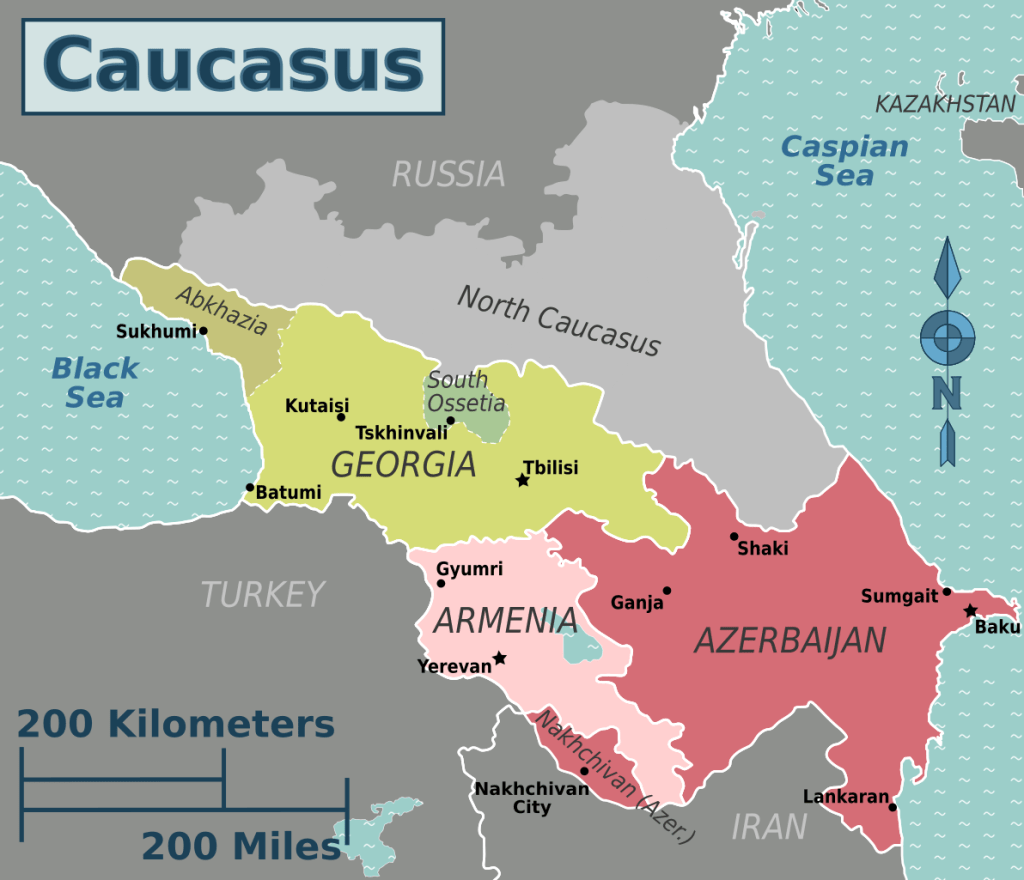
The modern grape (Vitis vinifera subsp. vinifera) is believed to have evolved from its wild ancestor, Vitis vinifera subsp. sylvestris, native to a broad region spanning the Caucasus Mountains (present-day Armenia, Georgia, and Azerbaijan) to the Mediterranean. This area offered ideal conditions for wild grapevines to flourish after the retreat of the Pleistocene glaciers, with its temperate climate and poor, rocky soils providing excellent drainage on rolling hills and mountainsides.
Archaeological evidence suggests that the domestication of grapes likely began in the South Caucasus region between 6,000 and 8,000 years ago. It’s possible that early farmers selectively cultivated wild grapevines, favoring those with the juiciest and most flavorful fruit, gradually developing them into the domesticated grape varieties familiar to us today.
In modern-day Georgia, approximately 30 miles (50 km) south of Tbilisi, evidence of grape wine production dates back to 6000–5800 BC. At the sites of Gadachrili Gora and Shulaveris Gora—Gora or hills are akin to the “tels” of the Levant—researchers have unearthed ancient pottery fragments containing chemical traces of wine, such as tartaric acid. These findings indicate that the inhabitants of this region were cultivating grapes and fermenting them into wine as early as 8,000 years ago.
This positions Georgia as a leading candidate for the “birthplace of wine,” with a merry winemaking tradition that has persisted through millennia.
Source: Oldest Evidence of Winemaking by Andrew Curry, National Geographic, 2017. Graphic: Caucasus Region by Peter Fitzgerald, modified by Travelpleb, Wikimedia Commons.

 elsToday