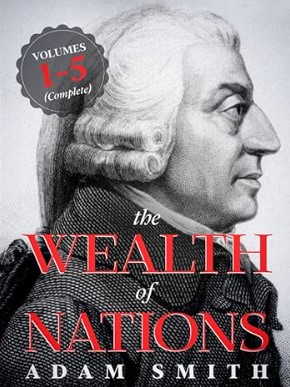
Adam Smith, author of Wealth of Nations, advocated free trade if a country’s savings were increasing, and it produced more than it consumed. He qualified his pro-free trade sentiments by declaring that a country with a low savings rate, producing less than it consumes, and experiencing consistent negative trade balances with its competitors is potentially in for some hard reckoning, including:
- Reliance on Foreign Capital: With low savings, a country will have to resort to financing large negative trade balances with foreign lenders, leading to an unhealthy dependency on those countries.
- Currency Depreciation: Persistent trade deficits can put downward pressure on the country’s currency value and are potentially inflationary.
- Vulnerability to External Shocks: A country with low savings and a negative trade balance is more vulnerable to external economic shocks, leading to economic instability.
- Investment Constraints: Limited domestic savings may constrain the country’s ability to invest in infrastructure, education, and other critical areas that support long-term economic growth.
Source: Wealth of Nations by Adam Smith.
 elsToday