Marcus Aurelius, the last Stoic, stays his fear of death by believing that life’s pauses and changes are preludes to death of which we should not fear. He stated in Book IX of his Meditations: “[as you] …pass to the ages of your life, boyhood for instance, youth, manhood, old age; for each change of these was a death; was there anything to be afraid of?”
This comes directly from Heraclitus, a Greek philosopher and influencer of the first Stoic: Zeno, stating that, “The living and the dead, the sleeper and the watcher, the young and the old are the same.”
St. Augustine in Confessions rephrases Marcus and Heraclitus with the joyful question; “And lo! My infancy died long since, and I am alive… Declare to me, your suppliant, did my infancy succeed to some age of mine that is also dead?”
Joseph Butler, Christian apologist and philosopher, carries the thought to its logical conclusion, writing: “We have passed undestroyed through those many and great resolutions of matter, so peculiarly appropriated to us ourselves; why should we imagine death will be so fatal to us?”
Butler’s argument is that if we’ve survived many transformations throughout our lives, there’s no reason to believe that death would be our ultimate end. His view is grounded in the belief that our continued existence after death is consistent with the enduring nature of our existence during life.
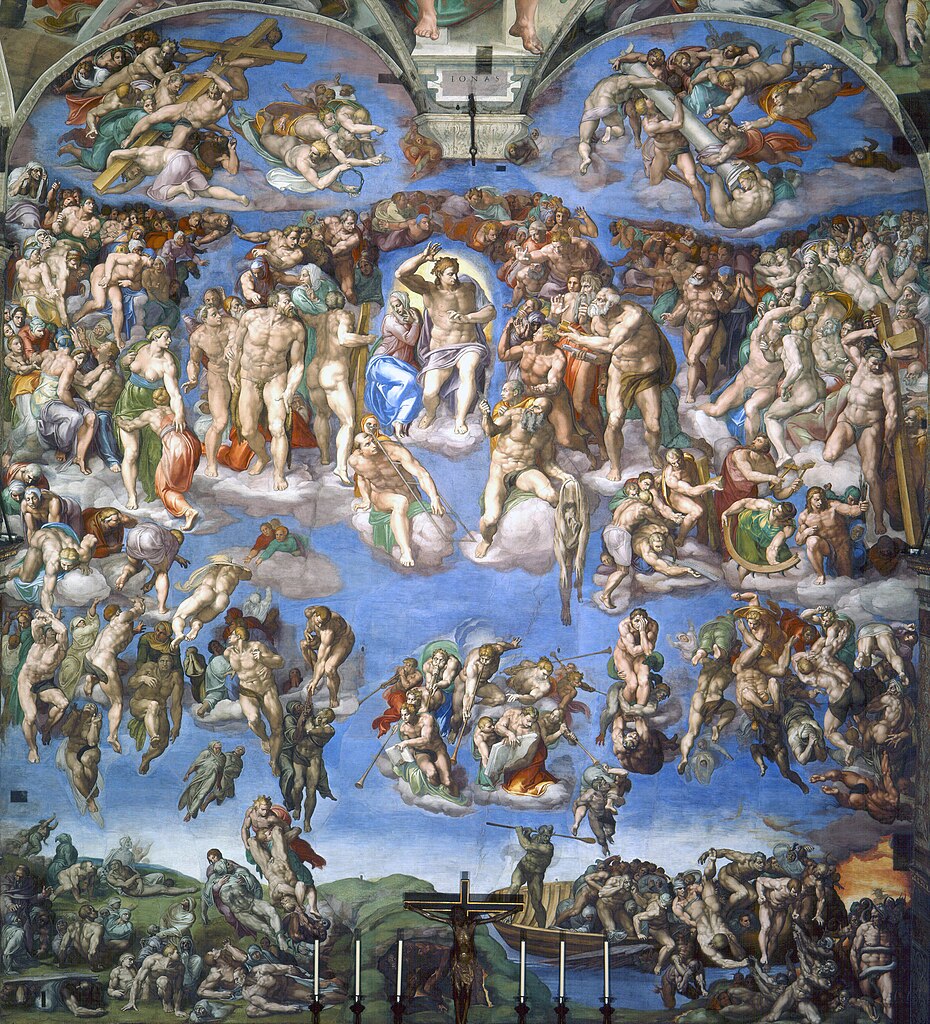
Source: Meditations by Marcus Aurelius, edited by Farquharson. Graphic: The Last Judgement by Michelangelo, Sistine Chapel. Public Domain.
 elsToday