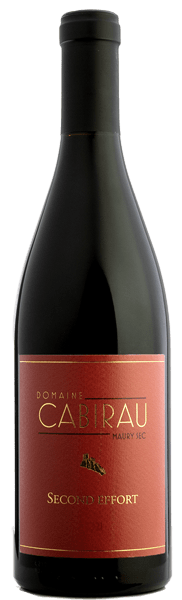
Red Blend Other from Languedoc-Roussillon, France
62% Grenache, 38% Syrah
Purchase Price: $14.00
Jeb Dunnuck 94, Rober Parker 90-93, ElsBob 92
ABV 14.5%
An opaque ruby colored wine, medium-full bodied, with powerful aromas of black fruit and pepper. Red berries on the palate with a wonderful long balanced finish.
An excellent fine wine at a ridiculous price. Current pricing ranges from $22-28.
Trivia: In the 12th century, Languedoc became the epicenter of the Cathar movement: a dualist Christian sect deemed heretical by the Catholic Church. Their beliefs challenged ecclesiastical authority and rejected materialism outright.
The Cathars held that a benevolent God created the invisible, eternal realm of spirit, while a malevolent demiurge, often equated with Satan, crafted the physical world. In contrast, Gnostic traditions dating back to Plato portrayed the demiurge not as evil, but as ignorant: a blind artisan who shaped the material realm without awareness of the higher divine source. For the Cathars, however, the true God was pure and transcendent, wholly uninvolved in the corrupt domain of matter. The physical world, including human bodies, was a prison of suffering, designed to entrap divine sparks of life: fallen souls of lost virtue, anchored in flesh.
For the Cathars, the goal was not to purify Earth but to escape it: to transcend flesh and return to its spiritual source. Their sole sacrament, the Consolamentum, was a spiritual baptism liberating the soul from the material world, often performed at death’s door. Readings from the Gospel of John, with emphasis on light and spirit, were central to this rite.
Their beliefs echo Socrates in the 5th century BC, who taught that man’s highest task was to keep his soul bright and shiny. Death, for Socrates, was not an end but a door to a new beginning in a higher realm of destiny for the safe-guarded virtuous soul.
The Cathar movement was ultimately extinguished, beginning with Pope Innocent III’s Albigensian Crusade in the 13th century and continuing through the Medieval Inquisition into the mid-14th century. Through the efforts to stamp out the sect it is estimated that between 200,000 and 1 million adherents were killed by hanging, burning, or other brutish methods. Raphael Lemkin, who coined the term genocide in 1944 to describe Nazi atrocities, recognized in the Cathar extinction a grim precedent: a spiritual lineage extinguished by fear that invisible truths might reshape visible order.
Centuries later, Deists such as American Revolutionary figures Washington, Jefferson, and Franklin embraced a belief in a benevolent Creator who did not intervene in human affairs. Like the Cathars and Socrates, they emphasized spiritual virtue over dogma, without dualist cosmology. The American Founders vision of divinity was rational, moral, and benevolent, interested in virtue, yet non-interfering in the affairs of man.
 elsToday