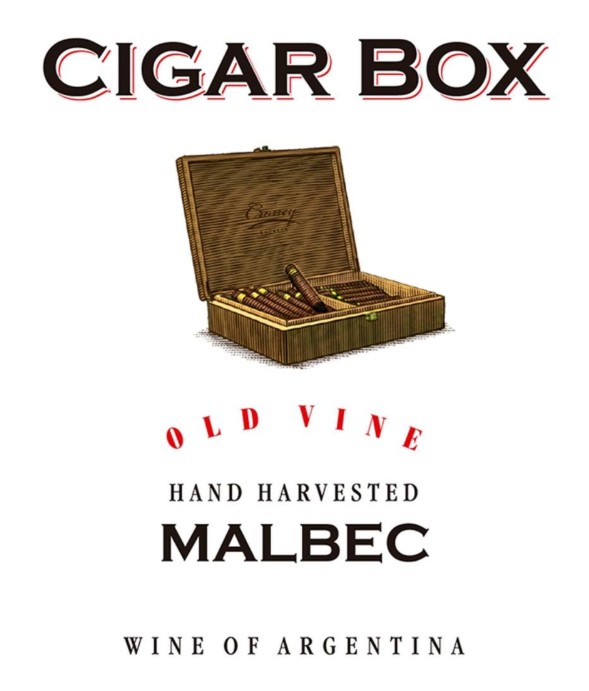
Cigar Box Old Vine Malbec 2022

Malbec from Mendoza, Argentina

Purchase Price: $13.99

Tasting Panel 93, Wine Enthusiast 85, ElsBob 89

ABV 14.5%

A dark purple wine, with aromas of red fruit and spices traveling through you at speed of wow. On the palate a rush of cherries with a smooth medium finish.

A very good fine wine at a great price. Current prices range from $12-18.

Trivia: Cigar Box Old Vine Malbec gets its name from the first winemaker’s impression of the wine. The vintner reportedly detected a subtle aroma reminiscent of a cigar box, a blend of cedarwood, spice, and aged tobacco often found in oak-aged reds. The name stuck.

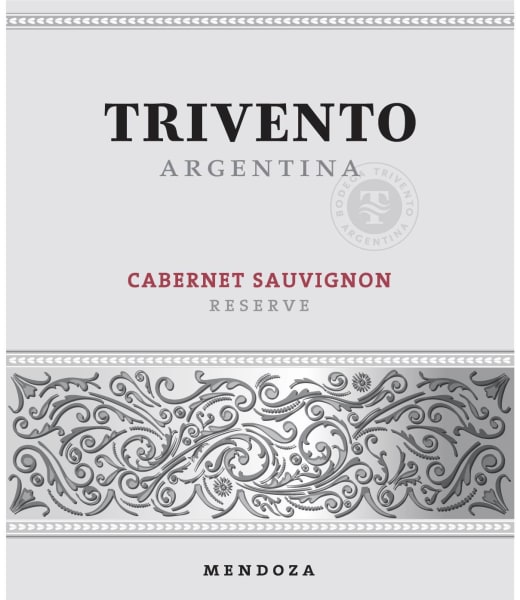
Trivento Reserve Cabernet Sauvignon 2019

Cabernet Sauvignon from Mendoza, Argentina

Cabernet Sauvignon 100%

Purchase Price: $11.99

Tasting Panel 91,Wine Enthusiast 87, ElsBob 88

ABV 13.5%

A deep ruby in color, medium to full body, aromas of red and black fruits, pepper, with a touch of vanilla. On the palate it is moderately acidic, slightly tannic, with a long, structured finish.

A very good table wine at a fair price. Drink now. Cheers.

Trivia: The Trivento name is a tip of the corkscrew to the three dominant winds around Mendoza: Polar, Zonda, and Sudestada. Polar winds bring cold air from the south. Zonda are strong, warm, and very dry west winds coming off Andes, often producing dust storms. They would be similar to Santa Ana and Chinook winds in the US. The Sudestada winds come from the southeast bringing humid air and generally prolonged rainfall.

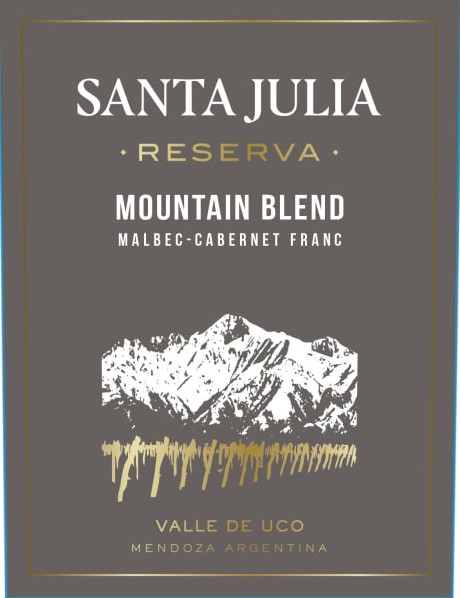
Santa Julia Reserva Mountain Blend 2022

Bordeaux Red Blends from Uco Valley, Mendoza, Argentina

70% Malbec, 30% Cabernet Franc

Purchase Price: $12.99

James Suckling 91, Robert Parker 91, ElsBob 90

ABV 13.9%

Aromas of plums and herbs, medium-bodied, tannic, balanced, with a medium finish on the palate. Enjoy it by itself or with a few Godiva chocolate truffes.

An excellent wine at less than half what you would expect to pay for a comparable wine.

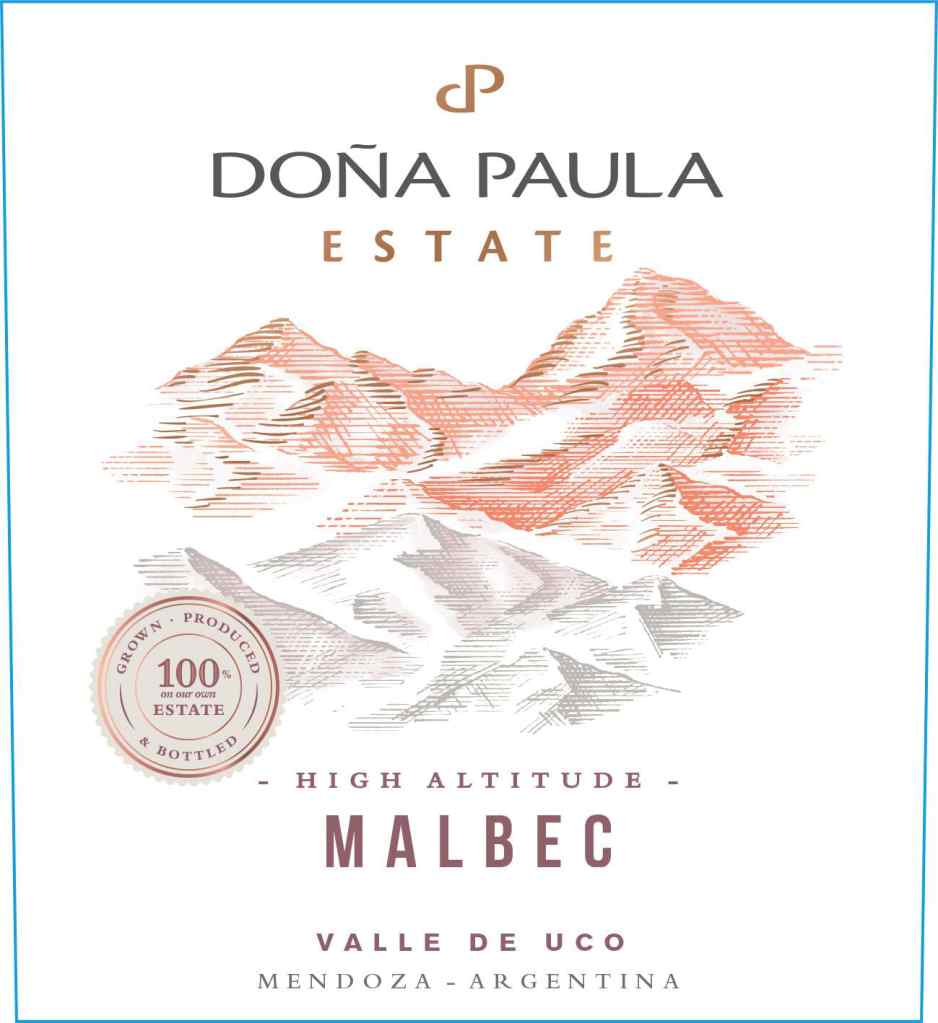
Dona Paula Estate Malbec 2021

Malbec from Uco Valley, Mendoza, Argentina

Purchase Price: $12.99

James Suckling 91, Robert Parker 90, ElsBob 90

ABV 14.5%

A dark violet color with aromas of black fruit and spices. A medium to full bodied dry wine, soft tannins and a medium finish. Will pair well with beef or lamb.

An excellent wine at half to a third the price you would pay for a comparably rated wine. This wine should easily last another 10 years in the bottle so stock up if you can find it under $13.

Santa Brasa Malbec 2020

Malbec from Mendoza, Lujan de Cuyo, Argentina

Purchase Price: $13.99

Vivino 91, ElsBob 87

ABV 13.5%

Aromas of leather and dark berries, medium-bodied, slightly tannic, with medium acidity. This will pair well with spicy foods, especially chili.

A very good table wine but don’t pay more than 8 or 9 bucks for a bottle.

Ben Marco Malbec 2019

Malbec from Uco Valley, Mendoza, Argentina

Purchase Price: $17.99

James Suckling 93, Robert Parker 92, Natalie Maclean 92, ElsBob 93

ABV 14.5%

Deep purple in color, aromas of blackberries, blueberries, and chocolate, oh my, medium-full bodied, more smooth than tannic, medium dry, and not very acidic. We had this with some mild cheese and slices of pepperoni. Terrific.

An excellent fine wine at a very reasonable price. A 93 rating usually goes for 2 to 3 times the price I paid. I initially tried this wine in 2021 and rated it a 91. It has improved significantly with age.

Alamos Malbec 2021

Malbec from Mendoza, Argentina.

Purchase Price: $10.99

James Suckling 91, Robert Parker 90, ElsBob 92.

ABV 13.5%

A medium purple, aromas of black fruit and cherries, medium to full bodied, more smooth than tannic, dry, with a medium acidity. A versatile wine that will pair well with beef, chicken, pasta, and cheese.

An excellent wine at a very affordable price.

Tilla Malbec 2014

W Tilla 2014Malbec from Eastern and Southern Mendoza, Mendoza, Cuyo Region, Argentina

100% malbec

13.0% alcohol

Purchased:  12 Nov 2017  –  $9.99

Opened:  29 April 2018

els:  8.8/10

Robert Parker:  90

Flagstaff Magazin:  90

Vinous:  87

Wine Enthusiast:  87

Wine Spectator:  87

Cellar Tracker:   86

Argentina’s wine history dates back to the 1500s when Catholic priests planted vineyards around their monasteries to guarantee wine for the parish and Holy Mass. The country was the first South American country attempting to commercially grow vines, beginning in Mendoza in the early to mid-1800s.  Many of the initial plantings came from Chile in the early 1800’s but the varietals that would change world wine history came from the Bordeaux region of France in 1853, including the ubiquitous Malbec.  Eventually, Mendoza was producing world-class Malbec wines, on par or superior to those produced in France, mainly due to its high elevations in the foothills of the Andes, well-drained soils, and lots and lots of hot sunshine. Today the country produces 75% of the world’s Malbec.

Argentina is the world’s 6th largest producer of wine by volume, just behind the US and ahead of Australia. It produces about 6% of the world’s total wine. The country has 510,000 acres planted in grapes, 55% in red wine grapes, 25% in roses and the rest in whites. Malbec plantings account for 20% of the total acres planted with Bonarda, Cabernet Sauvignon, and Chardonnay accounting for another 20%. Argentina has 4 main wine-producing regions: Atlantic, Cuyo, North, and Patagonia.

Cuyo is the largest and most important wine-producing, macroeconomic region in central Argentina and includes the wine sub-regions of La Rioja, Mendoza, and San Juan; with Mendoza being the largest of the 3 by area, population, GDP, and wine production. The region produces about 80% of all wine in the country. The area is arid to semi-arid receiving less than 20 inches of rain per year and experiences large diurnal temperature variations of about 35°F.

The Mendoza region, lapping up onto the eastern foothills of the youthful Andes, is the largest wine producer in Argentina, accounting for 65-75% of the country’s total. A third of the country’s vineyards are dedicated to Malbec with Mendoza also producing the lion’s share of that variety with 85,000 acres planted. The Mendoza wine region is partitioned into another 5 sub-areas: Central Oasis, East Mendoza, North Mendoza, South Mendoza, and Uco Valley. North Mendoza, aka Lujan de Cuyo, designated as an appellation in 1993,  contains an additional 6 micro-regions including: Agrelo, Barrancas, Las Compuertas, Perdriel, Ugarteche, and Vistalba.

The East or Eastern Mendoza sub-region, 50 miles southeast of Mendoza, is the country’s largest wine-producing area with almost 175,000 acres of vineyards and is further divided into 3 smaller areas: Rivadavia, Junin, and San Martin. The largest plantings are in Bonarda, Malbec, Syrah, Chardonnay, and Sauvignon Blanc. The vineyards are grown in the foothills of the Andes at 2100-2500′ above sea level with maximum summer temperatures in the low 80s°F and averaging 8″ of rain per year. Because of the low rainfall, the vineyards are irrigated with snowmelt waters from the Andes. The soils are mostly a heterogeneous mix of infertile, sandy loams and rocks.

The Southern Region is located 100 miles due south from Mendoza, at an elevation 3,000-4,000’ above sea level in San Carlos County. Bonarda and Malbec are the commonest grapes grown in the region. The high elevations mean lower temperatures and bright sunshine. The Southern Region is a desert with annual rainfall averaging about 14″ per year and summer temperatures that get up into the high 80s°F.

Malbec, Argentina’s national and highly celebrated grape was brought to the country in 1853. With its introduction, and other varietals, to the country the legislature established Quinta Normal, a school of agriculture, in Mendoza on 17 April 1853 which was to become the date for the annual Malbec World Day.

Malbec is a black, thin to thick-skinned, depending on elevation, grape that tends to ripen early. The wine from the grapes has aromas of cherries, strawberries, or plums; producing soft flavors and mild but meaty tannins. Malbec’s aged in oak keep for a long time and can be kept uncorked for 10 years or more. Malbec has many synonyms including Cot, Cahors, Grifforin, Hourcat and Quincy.

Bodegas Esmeralda, founded by Don Juan Fernandez is named in honor of his only daughter: Esmeralda Fernandez. The winery is located in the city of Junin, approximately 300 miles west of Buenos Aires and almost 800 miles east of Mendoza, producing wines both for the local market and for export. The winery’s Tilia labeled wines, named after the Latin name for the Linden tree, are all produced for the export market.

Tilia’s Malbec grapes are sourced from a variety of vineyards in the 3 counties that make up the Eastern Region: San Martin, Junin, & Rivadavia and San Carlos county of the Southern Region. The vineyards are in a true desert climate, receiving less than 1″ of rain per month and are irrigated with the Andes’ snow melt waters flowing down through the Tunuyan River. Because of the desert conditions the sun shines 90% of time throughout the year, generating hot days and cool nights.

After harvesting and sorting, the grapes are fermented for 12 days in stainless steel tanks at 81-84°F. The wine undergoes a 15 day maceration period followed by 6-9 months ageing in French and American, new and used oak barrels; steel tanks, and concrete vats. The wines are aged in bottles for 3 months before putting them on the market.

A dark purple wine with aromas of black cherries and plums with a hint of vanilla. The wine is medium to full-bodied with flavors of blackberries and currants. A nice finish with easy tannins and a crisp acidity.

Malbec wines go well with simple foods. We served this wine with a simple meal of spaghetti and meatballs in a marinara sauce producing a solid and enjoyable combination.

A good wine at a great price. It should last until 2022-24. Decanting this wine did it a world of good.

$7.99-9.99 wine-searcher.com


Finca Decero Remolinos Vineyard Malbec 2014

W Decero 2014Malbec from Agrelo, North Mendoza (Lujan de Cuyo), Mendoza, Cuyo, Argentina

100% malbec

14.5% alcohol

Purchased: 6 March 2017  –  $19.99

Opened: 19 March 2018

els:  9.0/10

James Suckling:  92

Tim Atkin:  92

Vinous:  88

Cellar Tracker:  87

Argentina is the world’s 6th largest producer of wine by volume, just behind the US and ahead of Australia. It produces about 6% of the world’s total wine. The country has 350-400,000 acres planted in grapes. Argentina has 4 main wine-producing regions: Atlantic, Cuyo, North, and Patagonia. Cuyo is the largest and most important wine-producing, macroeconomic region in central Argentina and includes the wine sub-regions of La Rioja, Mendoza, and San Juan; with Mendoza being the largest of the 3 by area, population, GDP, and wine production.

Argentina was the first South American country attempting to grow vines, beginning in Mendoza in the early 1800s.   The initial plantings came from the Bordeaux region of France, including the ubiquitous Malbec.  Eventually, Mendoza was producing world-class Malbec wines, on par or superior to those produced in France, mainly due to its high elevations in the foothills of the Andes, well-drained soils, and lots and lots of hot sunshine. Today the country produces 75% of the world’s Malbec.

The Mendoza region, lapping up onto the eastern foothills of the youthful Andes, is the largest wine producer in Argentina, accounting for 65-75% of the country’s total. A third of the country’s vineyards are dedicated to Malbec with Mendoza also producing the lion’s share of that variety. The Mendoza wine region is partitioned into another 5 sub-areas: Central Oasis, East Mendoza, North Mendoza, South Mendoza, and Uco Valley. North Mendoza, aka Lujan de Cuyo, designated as an appellation in 1993,  contains an additional 6 micro-regions including: Agrelo, Barrancas, Las Compuertas, Perdriel, Ugarteche, and Vistalba.

Agrelo, named after a local village, is one of the most prestigious wine micro-regions in Lujan de Cuyo, North Mendoza, and all of Argentina. Its terroir was made for growing Malbec and Cabernet Sauvignon grapes. The vines grow at an elevation of  2900-3500′ above sea level in very dry air, and as such, the cloudless skies provide for an intense sun producing lots of heat.  The soils are a thick, very sandy loam, encouraging deep root penetration into the cool gravelly subsurface. These subsurface gravels help to cool and protect the green vines above from the hot sun. An auspicious terroir responsible for creating Malbec second to none in the world.

Malbec grapes originated around Cahors in south-west France.  It is a thinned-skinned, dark grape, requiring lots of sun and heat. It produces full-bodied wines with medium to high tannins and acidity. In France most of the Malbec is grown around the Cahors AOC on the low, gravelly terraces of the Lot River. In Cahors, a Malbec must contain at least 70% of this grape and is usually blended with Merlot and Tannat. In Argentina the grapes grow at much higher elevations than in France, producing a high acidity, high tannin wine with herbal-flower aromas and flavors versus the more earthly notes of its French sister.

Thomas Schmidheiny, a descendent of Swiss wine makers, set up shop in Agrelo in the year 2000 upon a land of nothing, “cero”, naming his new winery after that land of nothing: Decero. The land he chose is the highest in all of Agrelo; 3500′ above sea level. He planted all reds; Malbec, Cabernet Sauvignon, Petit Verdot, and Tannat grapes on his 270 acres, calling the vineyard Remolinos, named after the tiny whirlwinds or dust devils that commonly dance across vineyards in tandem with the lazy dry winds. They tease the white-hot summer sun, beaming down from on high, to come and join them in a tango of sleepy idleness and pointless play.

The Remolinos vineyard, with some variation, has soils that are similar to all of Agrelo, sandy loams over a gravelly subsoil. The growing season diurnal temperature range is 55-85ºF with rainfall averaging 0.75-1.5″ per month, dropping to almost nothing in the winter. Temperatures may approach freezing in the winter, but usually don’t.

The winery employs its labor intensive “amano”, by hand, process to its vineyards and wine making processes. In the vineyards, all the vines are planted, pruned, and picked by hand. The vines are relieved of their east facing canopy leaves to increase grape cluster exposure to the sun. The clusters are individually thinned to 1 or 2 per branch.

The 2014 harvest was cool and wet, delaying the grape picking by about a week and taking the entire month of April to complete.  The grapes were individually selected on the vine, hand-picked, and sorted, grape by grape, repeating this process again and again throughout the harvest.  The grapes, after crushing, spend 5-7 days in a cold soak and then 10 days fermenting in small stainless steel tanks.  Most grapes are fermented at 78ºF while a small amount is subject to fermentation at 86ºF, ostensibly to increase texture. After fermentation the grapes spend an additional 15-18 days in the tanks for maceration.  90% of the wine is then aged in new and old French oak barrels for 14 months.  The other 10% remains in the stainless steel tanks to preserve the original aromas.

A dark ruby-red wine with a light purple rim. Aromas of red fruits, mainly cherries, with some spice and flowers. Full-bodied and nicely balanced.  The tannins are thick and the acidity is tad more than usual.  Breathing for an hour definitely improves this wine.  It leaves you with a nice long finish.

I’m not sure were I developed this habit but I prefer fruit, berry and cheese, bits and bites, when I drink a Malbec. I can’t remember the last time I had a full meal with a Malbec wine. I usually prefer thin slices of apple and pear, blueberries and sliced strawberries, and strong cheese.  I once tried chocolate dipped strawberries with a Malbec and I’m certain I glimpsed heaven.

An outstanding wine at a fair price. Drink this year but likely good until 2023-2025. Decant and aerate for one hour, or more, before drinking.

$14.96-19.99  wine-searcher.com
 

Crios de Susana Balbo Malbec 2015

W Crios Malbec 2015Malbec from Uco Valley, Mendoza, Argentina

95% malbec

5% bonarda

14.5% alcohol

Opened 2 Feb 2018

els: 9.0/10

Wine Advocate: 90

James Suckling: 90

Susana Balbo’s winery, established in the stunning, idyllic eastern foothills of the Andes Mountains, within the viticultural region of Uco Valley, is southwest of Mendoza, Argentina. The winery is surrounded by 52 acres of Malbec, Cabernet Sauvignon, Cabernet Franc and Petit Verdot vines; producing 4 brands of wines with distinct and complex personalities that appreciate long, secluded years in their bottles: Crios, Ben Marco, Nostros and Susana Balbo Signature. The Bonarda grapes are sourced from surrounding non-Balbo vineyards.

The vineyards are at an average elevation of about 3700-3800 feet above sea level where the steppe climate provides a large swing in growing season temperatures ranging from daytime highs in the mid 80s to night-time lows approaching 50°F. The climate is arid and vines receive a paltry 1-1.25″ of rain per month. To compensate for the semi-desert conditions and the well-drained alluvial soils of Uco Valley, the vineyards are drip irrigated using the Andes’ snow melted water to provide just the right of amount of essential moisture to produce these flavorful wines.  This vintage’s growing weather was cooler and wetter than normal.

W Balbo Winery

Susan Balbo Winery

The grapes are hand-harvested and spend 25 days in maceration vats.  After maceration the wine spends 9 months in new French oak barrels.

The wine has ruby-red to purple color with a garnet to peach rim. A bouquet of fresh cherries and blackberries. On the palate the wine is very well-balanced and medium bodied.  Very fresh and cooling.

An outstanding wine at a very good price. Serve with lamb or beef steak. Get adventurous and try with a grilled tuna steak. Drink now, but should last until 2022-2023.  Decant and aerate for one hour before drinking.

$11.99 wine.com