Drunken Monkey Hypothesis–Good Times, Bad Times

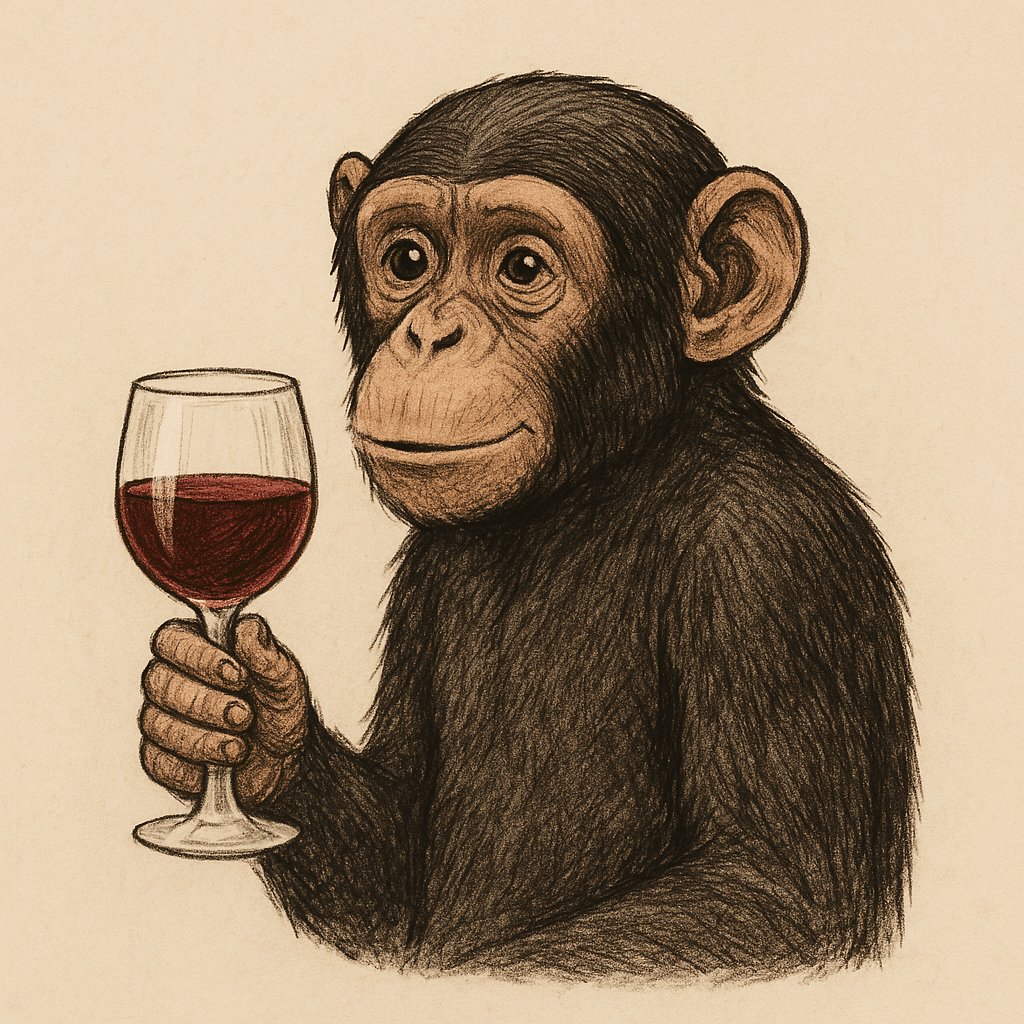
In 2004, biologist Robert Dudley of UC Berkeley proposed the Drunken Monkey Hypothesis, a theory suggesting that our attraction to alcohol is not a cultural accident but an evolutionary inheritance. According to Dudley, our primate ancestors evolved a taste for ethanol (grain alcohol) because it signaled ripe, energy-rich, fermenting fruit, a valuable resource in dense tropical forests. Those who could tolerate small amounts of naturally occurring ethanol had a foraging advantage, and thus a caloric advantage. Over time, this preference was passed down the evolutionary tree to us.

But alcohol’s effects have always been double-edged: mildly advantageous in small doses, dangerous in excess. What changed wasn’t the molecule, it was our ability to concentrate, store, and culturally amplify its effects. Good times, bad times…

Dudley argues that this trait was “natural and adaptive,” but only because we didn’t die from it as easily as other species. Ethanol is a toxin, and its effects, loss of inhibition, impaired judgment, and aggression, are as ancient as they are dangerous. What may have once helped a shy, dorky monkey approach a mate or summon the courage to defend his troop with uncharacteristic boldness now fuels everything from awkward first dates, daring athletic feats, bar fights, and the kind of stunts or mindless elocutions no sober mind would attempt.

Interestingly, alcohol affects most animals differently. Some life forms can handle large concentrations of ethanol without impairment, such as Oriental hornets, which are just naturally nasty, no chemical enhancements needed, and yeasts, which produce alcohol from sugars. Others, like elephants, become particularly belligerent when consuming fermented fruit. Bears have been known to steal beer from campsites, party hard, and pass out. A 2022 study of black-handed spider monkeys in Panama found that they actively seek out and consume fermented fruit with ethanol levels of 1–2%. But for most animals, plants, and bacteria, alcohol is toxic and often lethal.

Roughly 100 million years ago in the Cretaceous, flowering plants evolved to produce sugar-rich fruits, nectars, and saps, highly prized by primates, fruit bats, birds, and microbes. Yeasts evolved to ferment these sugars into ethanol as a defensive strategy: by converting sugars into alcohol, they created a chemical wasteland that discouraged other organisms from sharing in the feast.

Fermented fruits can contain 10–400% more calories than their fresh counterparts. Plums (used in Slivovitz brandy) show some of the highest increases. For grapes, fermentation can boost calorie content by 20–30%, depending on original sugar levels. These sugar levels are influenced by climate, warm, dry growing seasons with abundant sun and little rainfall produce sweeter grapes, which in turn yield more potent wines. This is one reason why Mediterranean regions have long been ideal for viticulture and winemaking, from ancient Phoenicia to modern-day Tuscany, Rioja, and Napa.

The story of alcohol is as ancient as civilization itself. The earliest known fermented beverage dates to 7000 BC in Jiahu, China, a mixture of rice, honey, and fruit. True grape wine appears around 6000 BC in the Caucasus region (modern-day Georgia), where post-glacial soils proved ideal for vine cultivation. Chemical residues in Egyptian burial urns and Canaanite amphorae prove that fermentation stayed with civilization as time marched on.

Yet for all its sacred and secular symbolism, Jesus turning water into wine, wine sanctifying Jewish weddings, or simply easing the awkwardness of a first date, alcohol has always walked a fine line between celebration and bedlam. It is a substance that amplifies human behavior, for better or worse. Professor Dudley argues that our attraction to the alcohol buzz is evolutionary: first as a reward for seeking out high-calorie fruit and modulating fear in risky situations, but it eventually became a dopamine high that developed as an end in itself.

Source: The Drunken Monkey by Robert Dudley, 2014.
15 Million Asteroids

How high’s the water, mama?
Two feet high and rising
How high’s the water, papa?
She said is two feet high and rising”
(Johnny Cash Five Feet High and Rising)

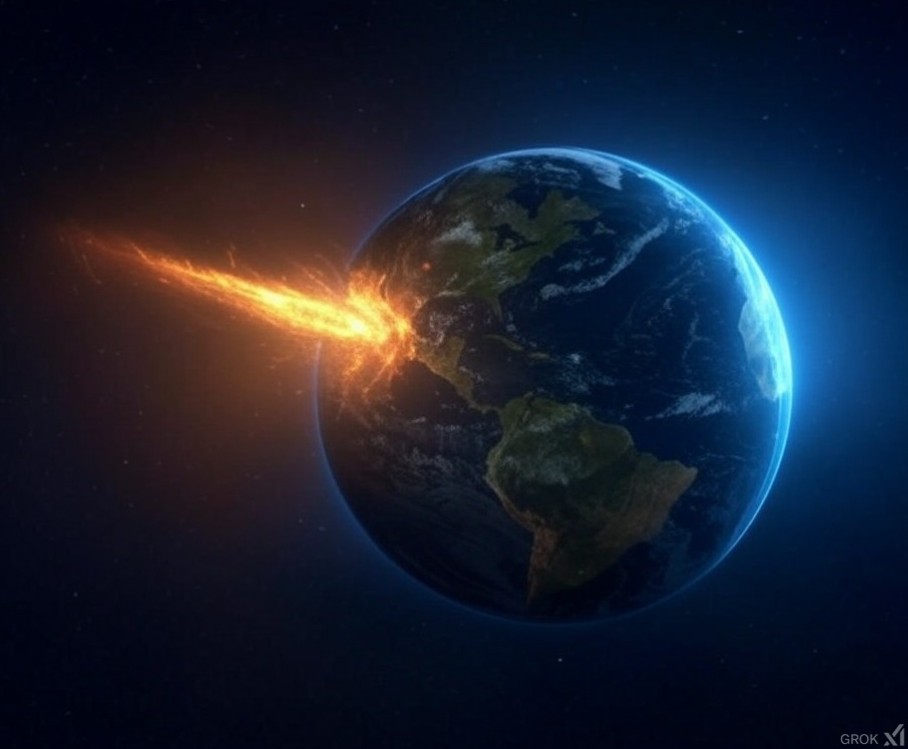
The early development of life on Earth relied on two essential building blocks: carbonaceous (carbon) material and water. It has long been postulated that asteroids, comets, and other planetesimals brought these ingredients to our planet. Water in meteorites existed in the form of hydrous minerals and possibly brine.

Researchers from Rutgers University, led by Professor Katherine Bermingham, studied isotopes of molybdenum from meteorites and Earth’s crust. They inferred that water arrived on Earth during its late accretion phase, around 4.1-3.8 billion years ago. The team also suggested that the water was delivered by inner solar system planetesimals such as comets and asteroids.

This is a crucial milestone in Earth’s development timeline, as there are two competing theories about when water was delivered to our planet: the Moon-Forming Event and the Late Heavy Bombardment (LHB). The Moon is believed to have formed about 4.5 billion years ago, shortly after Earth formed around 4.56 billion years ago, caused by a large object crashing into Earth. The LHB is a period of intense bombardment by planetesimals on the inner planets, occurring around 4.1-3.8 billion years ago.

An inference from the LHB is that all planets and moons existing at that time either contained or still contain water.

Trivia: Assuming the median size of planetesimals striking Earth during its early formation was around 15 kilometers (9.3 miles) with an average water content of 5% of their total volume, it would take about 15,688,960 hunks of rock to supply the current volume of water on Earth. Dividing that number by the LHB time interval of 300 million years suggests a significant impact every 227 months, or roughly every 19 years.

Source: Life-bearing Water, by Bermingham et al, Rutgers, 2025. Graphic: Comet Cometh, Grok, 2025.

Near Death Experiences

Bruce Greyson in a paper published in the Journal Humanities states that, “Near-death experiences (NDEs) are vivid experiences that often occur in life-threatening conditions, usually characterized by a transcendent tone and clear perceptions of leaving the body and being in a different spatiotemporal dimension.”

NDEs have been reported throughout history and across various cultures, with many interpreting them as proof of life after death or the continuation of existence beyond the death of the physical body.

Dr. Eben Alexander, a neurosurgeon, experienced his own NDE during a week-long coma induced by a brain illness. During this experience, he reported traveling outside his body to another world, where he encountered an angelic being and the maker of the universe. He interpreted his experience not only as evidence that consciousness exists outside the mortal body but also as proof of God and heaven.

Socrates believed that the soul, a concept encompassing not only consciousness but also the whole psyche of a person, was immortal and existed in a realm beyond the physical world. According to the Platonic concept of “anamnesis”, the soul is temporarily housed in the mortal body until the body’s death, at which point it returns to a “spiritual” realm. Socrates firmly believed that because the soul is immortal, it is imperative to live a moral and virtuous life to avoid damaging the soul.

Zeno of Citium and the Stoics, following in Socrates’ footsteps, developed the concept of “pneuma” or spirit, which they viewed as a physical substance that returns to the cosmos after the death of the body. They believed that the universe is a living being, a concept known as “pantheism,” and that pneuma or souls are part of the greater universal whole.

Omniscience–Omnipresence.

Source: The Near-Death Experience by Sabom, JAMA Network, Proof of Heaven by Alexander. Memorabilia by Xenophon. Graphic: Out of Body, istock licensed.

WIMPs

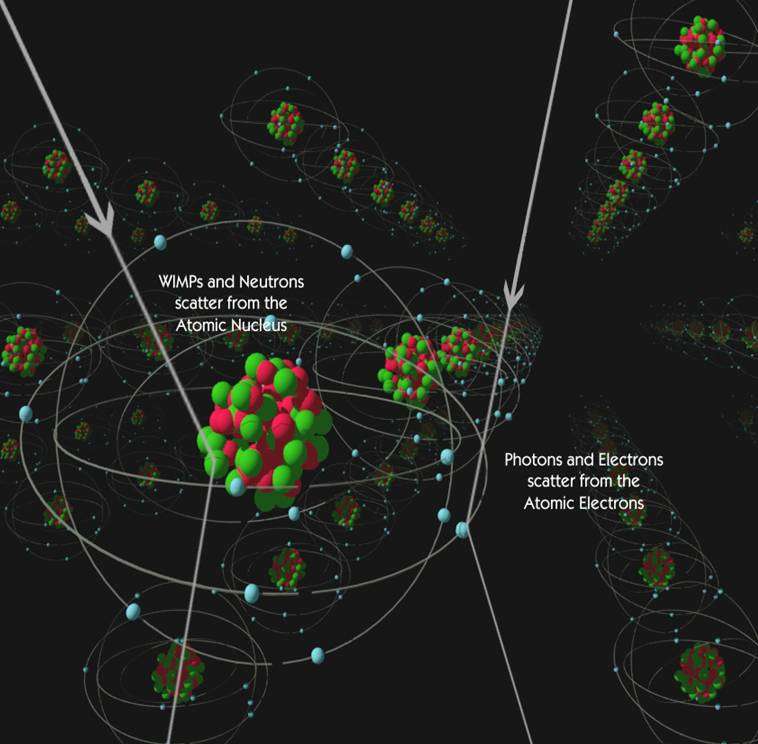
Weakly Interacting Massive Particles or WIMPs are hypothetical dark matter particles that supposedly make up 26-27% of the universe. They are only detectable through their gravitational effects.

In a recent ScienceNews article LUX-ZEPLIN researchers monitoring 10 metric tons of liquid xenon almost a mile below the surface in Lead, South Dakota have reduced the cross-sectional area that WIMPs can interact with normal matter by about 80%.

This reduced area of interaction implies that the particles are even weaker than previously thought. This would make them even harder to detect.  

Triva time: A cube that could hold 10 metric tons of xenon would need to be about 1.5 meters on a side.

Source: The Possibilities for Dark Matter…by Emily Conover, 2024, Science News. Graphic: WIMPs by University of California Berkley, 2013.

GOAT Gas

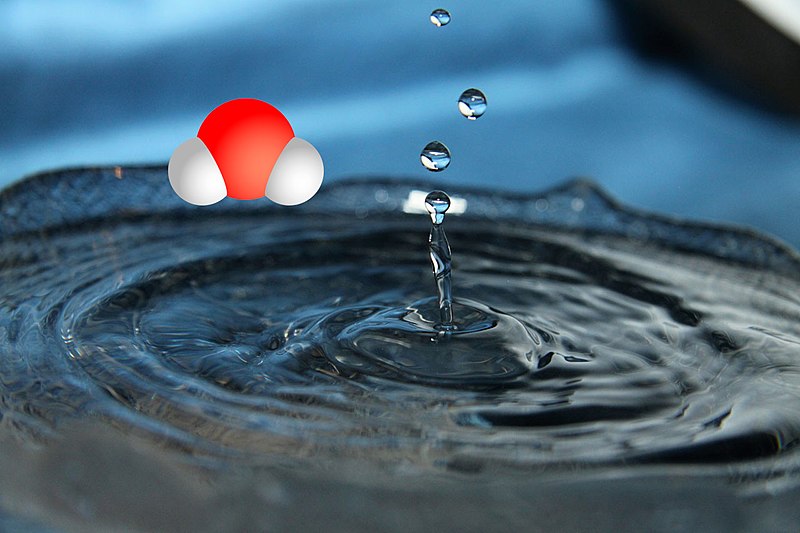
Water vapor is the most abundant and the most powerful greenhouse gas in the atmosphere and is responsible for about half of the Earth’s greenhouse effect. The amount of water vapor in the lower atmosphere is largely controlled by temperature, such that warmer air holds more moisture. Water vapor returns to the Earth’s surface usually within two weeks but only if the vapor is in the troposphere, the atmospheric layer closest to the Earth.

Water vapor in the stratosphere, the layer above the troposphere, on the other hand, can stay there for a long time due to the lack of physical mechanisms to bring it back to the surface of the Earth. MIT has estimated that a water molecule, or any atmospheric molecule, can stay in the troposphere for about 1.5 years, possibly longer, before circulating back to the troposphere or Earth’s surface.

On 15 January 2022 the South Pacific volcano, Hunga Tonga-Hunga Ha’apai, erupted sending a huge jet of water vapor into Earth’s stratosphere, estimated to have been around 40 billion gallons in volume.  This is estimated to have increased the water vapor in the stratosphere by 10% in a matter of hours or days.

For reference, the greenhouse effect for selected gases by its 20-year GWP (Greenhouse Warming Potential) value:

  1. Water Vapor = A very large value but difficult to find in print.
  2. Hydrofluorocarbons (HFCs) = 460-9100 GWP
  3. Bromides = 7140 (varies)
  4. Chlorofluorocarbons (CFCs) = 4400-6200 GWP
  5. Nitrous oxide = 280 GWP
  6. Methane = 56 GWP
  7. Carbon dioxide = 1 GWP

Source: NASA. MIT. Graphic by AGeremia, 2020, Creative Commons.

Issac Newton and Leonardo Da Vinci:

Leonardo Da Vinci and Issac Newton were both consummate note takers. They recorded their thoughts, ideas, and anything else that struck their fancy in innumerable notebooks and loose sheets of paper.

Paper was expensive so they both wrote small and covered every inch of paper with drawings and script.

Newton wrote in Latin, Greek, and English with most subject titles in Latin and the text in Greek. To save space his letters were an eye straining one sixteenth of an inch high. An estimated 4000 pages with around 285,000 words plus drawings of his writings have been found to date.

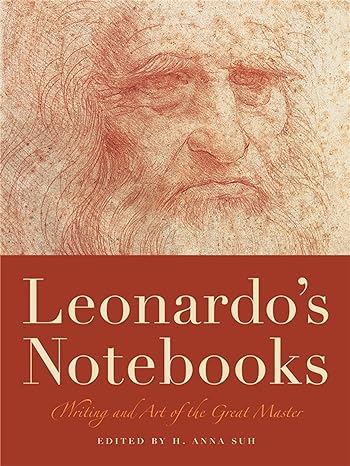
Leonardo wrote in Tuscan Italian, with the text written in a right to left mirror style which some believe he did because he was left-handed, as, by-the-way so was Newton. 13,000 pages of Leonardo’s notes have been found which is believed to be only about a fifth of the total.

Source: “Isaac Newton” by James Gleick, 2003. “Leonardo’s Notebooks” Edited by H. Anna Suh, 2005. “Leonardo Da Vinci” by Walter Isaacson, 2017. Graphic of da Vinci and Newton AI generated.