Hamlet Goes to Milwaukee—A Tragicomedy in Five Acts

Prolepsis’ Prologue:

The Chorus enters. A single spotlight. A single Damocles’ bullet hangs in the air like a haunted ghost spinning to history’s rhythms and trajectories.

CHORUS:

John Schrank shoots Theodore Roosevelt, 113 long and mostly forgotten years ago, in Milwaukee, Wisconsin on a sharp and chilled Monday, coats pulled tight, 14 October 1912.

That’s the end, my friend, or so it seems. But tragedy demands context, and context demands sacramental passings. Let us reset and reconfigure the scene, with a sentimental barbershop quartet interlude of ‘Moonlight Bay’ drifting in the background and summon the ghosts of campaigns past and the raving refrains of the mad, all served with a bullet.

Act I: The Bull Rising

Before the Bull Moose and the bullet there was tradition and restraint. Before Roosevelt charged up the hill and across the plains, there was McKinley’s calm firmament.

William McKinley, 25th President of the United States, governed with a philosophy of calculated prosperity and protective nationalism, fittingly called the Ohio Napoleon, holding folksy court on America’s front porch. He was deliberate and firm but never rash, he was a Republican loyalist second, leader first, and a quiet expansionist, A Civil War veteran and devout Methodist, McKinley championed high tariffs, the gold standard, and industrial growth as the pillars of American strength.

His first term (1897–1901) unfolded as an economic recovery from Grover Cleveland’s faltering presidency and the Panic of 1893. It was marked by economic stabilization, the Spanish-American War, and the acquisition of overseas territories: Puerto Rico, Guam, the Philippines, and Hawaii, all additions to America’s imperial structure.

His vice president, Garret Hobart died, of heart failure in 1899 at the age of 55. With no constitutional mechanism to fill the vacancy, the office remained vacant until McKinley’s re-election. It wasn’t until the ratification of the 25th Amendment in 1967 that a formal process was established to replace a vice president.

In 1900, Theodore Roosevelt, then Governor of New York and war hero of the San Juan Hill, was chosen as McKinley’s running mate. His nomination was largely a strategy of containment: an attempt to temper his reformist zeal beneath the inconsequential and ceremonial weight of the vice-presidency.

Act II: Bull Cometh

The Bull Moose was buried beneath ceremony, but symbols cannot contain momentum. The front porch would give way to the lists and charging steeds.

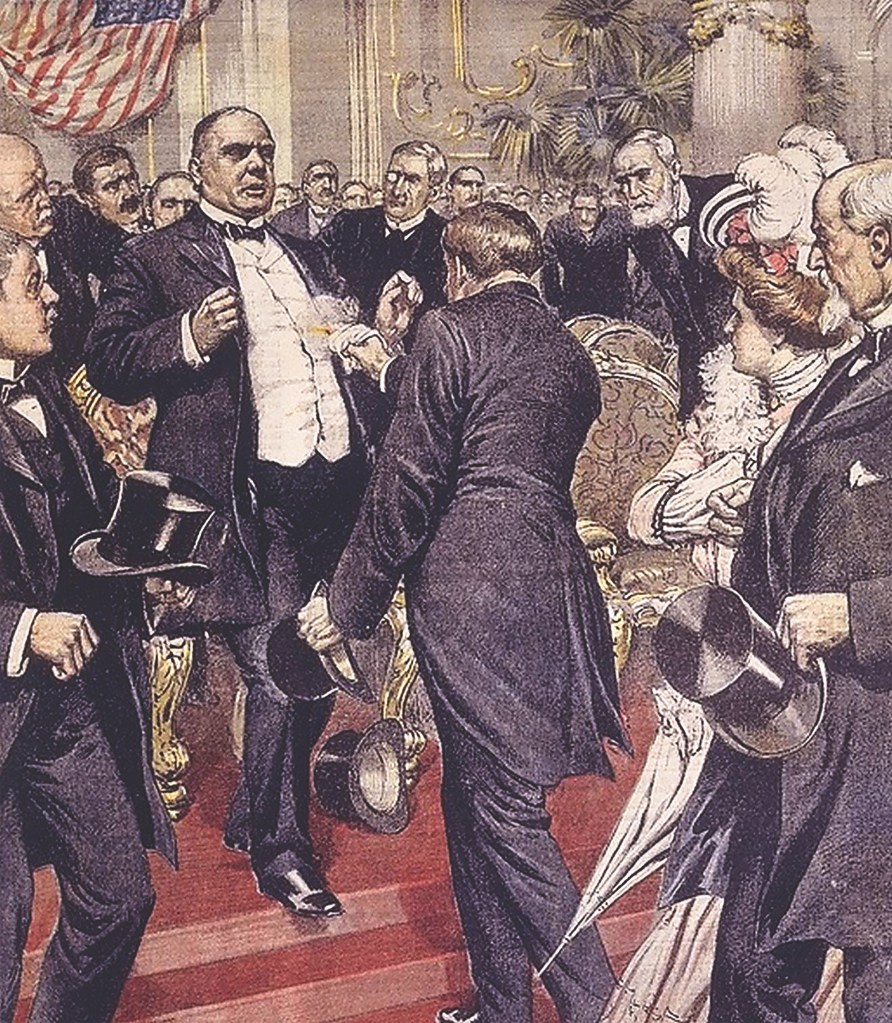
On September 6, 1901, President William McKinley stood beneath the vaulted glass of the Temple of Music at the Pan-American Exposition in Buffalo, New York, an American shrine to progress, electricity, and imperial optimism. There, in the charged glow of modernity, he was shot twice in the abdomen by Leon Czolgosz, a Polish American self-declared anarchist and bitter subject of the Panic of 1893 and its resultant mill closures, strikes and wage collapse, etched into his disillusioned psyche.

Czolgosz had been baptized in the radical writings of Emma Goldman, a Lithuanian emigree and firebrand of the American radical left. Goldman championed anarchism, women’s rights, and sexual liberation. She founded Mother Earth, a journal that became an infamous intellectual hearth for dissent and revolutionary analysis.

To Czolgosz, Mckinley was the embodiment of oppression: capitalism, imperialism, and state violence. His answer to these perceived provocations was violence. Concealing a revolver wrapped in a handkerchief, he fired at close range during a public reception, just as McKinley extended his hand in welcome.

Initially, doctors believed McKinley would recover. But gangrene developed around the damaged pancreas, and he died on 14th of September. His death was slow and tragic, a symbolic collapse of the front porch presidency.

Roosevelt, just 42, stepped up and became the youngest president in U.S. history (JFK was 43). With containment at an end, the Bull broke loose. And he mounted the stage with an agenda.

Act III: The Charge of the Bull

The Bull builds a protective legacy of words and stick, sweat and blood.

Roosevelt’s early presidency honored McKinley’s legacy: trust-busting, tariff moderation, and economic expansion. But he soon added his own signature: conservationism, progressive reform, and a bold, moralistic foreign policy.

He preserved 230 million acres of public land and established the U.S. Forest Service, 5 national parks, 18 national monuments, 150 national forests and a constellation wildlife refuges. Stewardship of the land became a sacred ideal that continues to present day.

In foreign affairs, Roosevelt extended the Monroe Doctrine with his Roosevelt Corollary (1904), asserting that the U.S. had the right to intervene in Latin America to prevent “chronic wrongdoing.” It was a doctrinal pivot from passive hemispheric defense against European imperialism to active imperial stewardship, cloaked in the language of civilization and order. America became the self-appointed policeman of the Western Hemisphere.

The corollary was a response to incidents like the 1902 Venezuelan debt crisis where European navies blockaded ports to force repayment. In Cuba, unrest was quelled with U.S. troops in 1906. Nicaragua, Haiti, and Honduras saw repeated interventions to protect U.S. interests and suppress revolutions. If Latin American failed to maintain order or financial solvency, the U.S. would intervene to stabilize rather than colonize.

The doctrine justified the U.S. dominance of the Panama Canal and set the precedent for Cold War interventions, neutralizing the American back yard while containing Soviet expansion in the east.

Act IV: Hamlet in Milwaukee

Heads of kings rest uneasy. Ghosts of injustice haunt. Princes fall prey.

After winning a full term in 1904, Roosevelt honored his promise not to seek reelection in 1908. But disillusioned with his successor, William Howard Taft, Roosevelt returned to politics in 1912, forming the Progressive Party, nicknamed the Bull Moose Party.

Enter stage left, John Schrank, a former barkeep plagued by visions and imagined slights. In the early morning hours of 15 September 1901, 6 days after McKinley was shot and 2 days before he died, the bar tender dreamt that the slain President rose from his casket and pointed to a shrouded figure in the corner: Roosevelt. “Avenge my death”, the ghost spoke. Schrank claimed to forget the dream for over a decade, until Roosevelt’s bid for a third term in 1912 reawakened the vision, which he now interpreted as a divine command.

Schrank believed Roosevelt’s third-term ambition was a betrayal of American tradition set forth in Washington’s Farewell Address. He hated Roosevelt and feared that he would win the election, seize dictatorial power, and betray the constitutional republic. In his delusional state, he believed Roosevelt was backed by foreign powers and was planning to take over the Panama Canal; an anachronistic fear, given total U.S. control of the canal since 1904. Schrank interpreted the ghost’s voice as God’s will: “Let no murderer occupy the presidential chair for a third term. Avenge my death.”

At his trial for the attempted assassination of Roosevelt, Schrank was remanded to a panel of experts to determine his mental competency. They deemed him insane, a “paranoid schizophrenic”, in the language of the time. He was committed to an asylum, where he remained until his death 31 years later.

Schrank’s madness parallels the haunted introspection of Hamlet, Prince of Denmark. Shakespeare’s longest and most psychologically complex tragedy that revolves around a ghost’s command: “Revenge my foul and most unnatural murder.” Hamlet, driven by the specter’s charge, spirals into feigned (and perhaps real) madness, wrestling with betrayal, duty, mortality, and metaphysical doubt. His uncle, the murderer, has married his mother; an Oedipal inversion within the world’s most enduring tragedy.

On 14 October 1912, as Roosevelt stood outside Milwaukee’s Gilpatrick Hotel, Schrank stepped forward and fired. The bullet pierced his steel glasses case and a folded 50-page tome of a speech, slowing its path. Bleeding, a bullet lodged in his chest, Roosevelt refused medical attention. He stepped onto the stage and spoke for 90 minutes, although it is said that due to his loss of blood, he shortened his speech out of necessity. Whether for himself or the audience is lost to history.

Unlike Hamlet, who dithers and soliloquizes his way toward a graveyard of corpses, Schrank shoots, hits, and leaves Roosevelt standing. Hamlet’s tragedy ends in death and metaphysical rupture. Schrank’s farce begins with the demands of a ghost and ends with a 90-minute speech. One prince takes his world with him into death. The other absorbs a bullet and keeps talking.

Act V: Ghosts and Republics

Ghosts and Republics are ephemeral. At the end of time; those fleeting moments, short and long; some, as Proust says, more and more seldom, are best treated with humor and grace.

In tragedy and near calamity, a man’s soul becomes visible. Some are seen darkly, others, bright, clear, unshaken and unafraid of new beginnings even if that beginning is death.

Roosevelt had already charged up San Juan Hill, bullets and fragments whistling past like invitations to a funeral ball. Each a death marker. So, when a solitary bullet from a madman struck him in Milwaukee, it was merely an inconvenience. He quipped: “Friends, I shall ask you to be as quiet as possible. I don’t know whether you fully understand that I have just been shot, but it takes more than that to kill a Bull Moose.”

Sixty-eight years later, Reagan too survived a bullet to the chest. As he was wheeled into the emergency room at George Washington University Hospital, he said he’d “rather be in Philadelphia,” a throwback to his vaudeville days, a gag line used on fake tombstones: “Here lies Bob: he’d rather be in Philadelphia.” W.C. Fields once requested it as his epitaph. He’s buried in California. To the surgeons, Reagan added: “I hope you’re all Republicans.”

Where Roosevelt offered mettle, Reagan offered mirth. Both answered violence with theatrical defiance: natural-born and unshakable leaders, unbothered by the ghosts that tracked them.

They were not alone. Jackson, beat his would-be-assassin with a cane. Truman kept his appointments after gunfire at Blair house. Ford faced two attempts in seventeen days and kept walking. Bush stood unfazed after a grenade failed to detonate. They met their specters with grace, a joke, and a shrug.

The assassins and would-be assassins vanished into the diffusing whisps of history. The leaders of men left a republic haunted not by ghosts, but by a living memory: charged with the courage to endure and to imagine greatness.

Graphic: Assassination of President McKinley by Achille Beltrame, 1901. Public Domain.

Managing Stress in Everyday Life: Strategies for Calm and Clarity

(Note: The following is a guest post by Emilia Ross. She is a life coach who specializes in helping individuals navigate their personal and professional lives. Visit her site at Schedule-Life.com)

Stress is an unavoidable part of modern life, affecting everything from focus and energy to overall well-being. The good news is that with the right strategies, it can be managed — even transformed — into a source of strength and clarity. By combining mindful awareness, physical movement, and small daily rituals, anyone can reduce overwhelm and regain control. This article explores proven methods to help you create calm, build resilience, and thrive amid life’s everyday pressures.


Quick Summary

Stress is a natural signal, not an enemy. When managed through awareness, structure, and small, consistent practices, it becomes a guide to better energy and focus. Core strategies include mindful awareness, physical activity, digital boundaries, and restorative routines.


Understanding Everyday Stress

Stress arises when your perceived demands exceed your perceived capacity. While occasional stress can improve performance, chronic stress erodes resilience. Learning to interpret and respond — not just react — is key.


The Foundations of Stress Management

1. Awareness First

Recognize your triggers. Start with a simple journal or app like Daylio to log moments of tension and what caused them. Awareness precedes regulation.

2. Physical Reset

Move your body regularly. Even a 10-minute walk, yoga session on Yoga With Adriene, or quick stretch can interrupt stress loops and lower cortisol.

3. Mental Reframing

Your interpretation drives your physiology. Practices like cognitive reframing teach you to challenge unhelpful patterns.

4. Social Anchors

Stay connected. Meaningful interactions — a chat with a friend, a shared meal — activate oxytocin, a natural stress buffer. Try setting small rituals like “Sunday check-ins” or joining supportive communities.


Checklist: Daily Stress Reset Protocol

✅ Breathe deeply for 2 minutes, twice daily
✅ Take one screen-free walk
✅ Replace doomscrolling with reading or music
✅ Hydrate before caffeine
✅ Schedule downtime intentionally
✅ Reflect before bed — one gratitude note


How-To: Build a Personal Stress Management Routine

  1. Identify Your Stress Type: Physical (tension, fatigue), emotional (irritability), or cognitive (racing thoughts).
  2. Set Micro Habits: Replace “I’ll work out daily” with “I’ll stretch for 5 minutes after waking.”
  3. Design Your Calm Space: Add soothing cues — natural light, calm scents, a playlist from Spotify’s Peaceful Piano.
  4. Track Feedback: Review weekly — what helped most?
  5. Adjust: Stress evolves. So should your system.

Table: Practical Methods for Stress Regulation

CategoryStrategyTools/ResourcesFrequency
PhysicalWalking, yoga, or light exerciseYoga JournalDaily
EmotionalJournaling or gratitude writingPenzu3x per week
CognitiveBreathing and reframingCalmDaily
SocialConnect with othersMeetupWeekly
EnvironmentalDeclutter, scent therapyIKEA Home InspirationAs needed

Safe, Natural Approaches for Relaxation

Beyond conventional stress relief, several natural approaches can help stabilize your mood and improve focus:

  • Ashwagandha: A well-researched adaptogen known to lower cortisol and improve resilience.
  • THCa: Found in THCa-based wellness products, it offers calming effects without intoxication, supporting relaxation safely when used responsibly. Explore the properties of THCa distillate
  • Meditation & Breathwork: Practices like alternate-nostril breathing and guided meditations on Insight Timer balance the nervous system naturally.

Finding Fulfillment Through Growth

Sometimes, stress signals that it’s time for change. Many find renewal by investing in education or skill-building. Returning to school — especially online — allows flexible growth without overwhelming your schedule. If you work in healthcare, you can choose an online healthcare administration degree to expand leadership potential and influence systemic improvements. Online programs also offer the freedom to learn at your own pace while balancing life and work.


Spotlight: Product That Promotes Relaxation


Weighted blankets have gained traction for their deep-touch stimulation, helping reduce anxiety and improve sleep quality. Brands like Gravity Blanket are designed to emulate therapeutic pressure, creating calm for the body and mind.


FAQs

Q1: What’s the fastest way to calm down in a tense moment?
A: Try box breathing — inhale 4s, hold 4s, exhale 4s, hold 4s. Repeat for 1–2 minutes.

Q2: Can stress ever be good?
A: Yes. Short bursts can boost motivation and focus. Chronic stress, however, leads to burnout.

Q3: How much exercise is enough?
A: Even 20 minutes of moderate movement per day can lower stress hormones.

Q4: Should I eliminate caffeine?
A: Not necessarily — balance it with hydration and don’t consume it late in the day.

Q5: What’s a simple bedtime habit to improve calm?
A: Write down three things you’re grateful for — it rewires attention away from worry.


Glossary

  • Cortisol: The primary stress hormone regulating alertness and energy balance.
  • Adaptogen: A natural compound that helps the body adapt to stress.
  • Mindfulness: Non-judgmental awareness of the present moment.
  • Homeostasis: The body’s tendency to maintain internal balance.
  • Neuroplasticity: The brain’s ability to change through experience.

Managing stress is ultimately about creating balance, not chasing perfection. Small, consistent habits — from mindful breathing to intentional rest — can dramatically shift how you experience daily challenges. By recognizing your limits and building supportive routines, you strengthen both emotional and physical resilience. With practice, calm becomes less of a goal and more of a natural way of living.

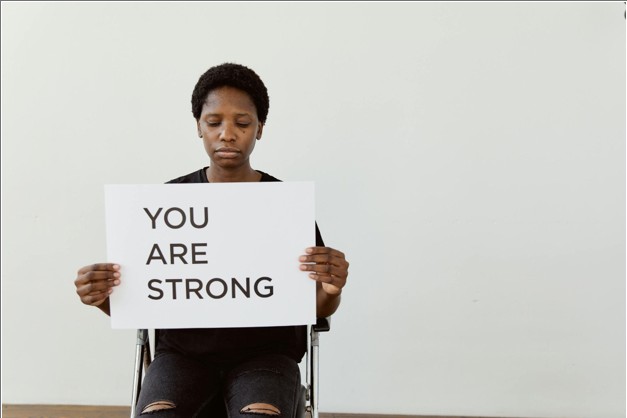
Graphic: Freepik.

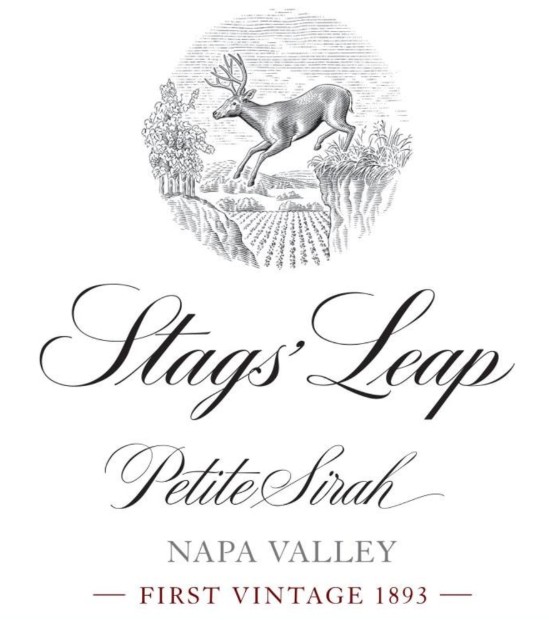
Stags’ Leap Winery Petite Sirah 2020

Petite Sirah from Napa Valley, California

Purchase Price: $19.00

James Suckling 94, Gismondi 92, Wine Enthusiast 92, Cellar Tracker 92, Robert Parker 90, Wine and Spirits 89, ElsBob 89

ABV 14.5%

A very dark ruby, purple hue wine with aromas of black fruits. On the palate more of a red fruit, cherry flavor, with a little spice, mainly pepper. High in acidity and tannins, medium-full bodied, with very little balance. Fortunately, the finish is short. To help smooth out the acidity and tannic nature of this wine try it with aged cheeses such as Gouda or tomato-based dishes like pasta or pizza.

A very good fine wine overpriced at $19. If you can find it under $12 give it a try. Current prices range from about $28-65. A decent wine but far below Stags’ Leap quality reputation. I’m surprised they put their label on this one.

Trivia: Stag’s Leap Winery is located along the Silverado Trail in Napa Valley. The trail originally built in 1852, links the cinnabar mines (HgS, mercury sulfide) on Mount St. Helena in the north to San Pablo Bay, the estuarine gateway to San Francisco Bay; natural bookends to the valley. In addition to abundant mercury deposits, the mines also yielded silver, sparking a short-lived silver rush beginning in 1858.

Highwayman Black Bart preyed on stagecoaches along the trail in the 1880s, adding to the outlaw mystique of the region, and inspiring a minor character in The Simpsons. The non-Simpson Bart left rhymed messages at the scene of his robberies earning the moniker ‘The Poet Bandit.’ He was captured in 1883 and served 4 years in San Quentin, regrettably missing Johnny Cash’s concert by about 81 years.

In 1880, Robert Louis Stevenson honeymooned in Napa Valley with his wife Fanny, spending the summer squatting in an abandoned bunkhouse at the Silverado Mine (a spendthrift, to be sure–actually, he was broke, destitute, poor, penniless, and sick), on the slopes of Mount St. Helena. The experience led to his travel memoir The Silverado Squatters, which, while not a blockbuster, did manage to sell enough to justify a second printing. Interestingly, it can still be purchased from independent publishers. It’s a short book of about 100+ pages. Give it a read and compare it with the Bermuda travelogues of his contemporary, Mark Twain.

Gold in the Middle Kingdom

In November 2024, China’s state media announced the discovery of a “supergiant” gold deposit in the Wangu Gold Field, Hunan Province. Initial exploration and delineation drilling confirmed approximately 300 metric tons (9,645,225 troy ounces) in place. Subsequent geologic modeling suggests that the total resource may exceed 1000 metric tons (32,150,750 troy ounces), potentially making it the largest known deposit in the world.

At the current October 2025 gold price of $4,267.30 per ounce that equates to about $137.3 billion in gross value assuming an unrealistic 100% recovery.

But is all this gold recoverable without sinking vast capital only to lose more in the process? Public data remains limited, yet a ballpark estimate is possible.

Incorporating global subsurface mining economics, the project, assuming a capital expenditure of $12.5 billion and operating costs of $2100 per ounce, would be profitable. Its projected return of 17% is respectable but far from spectacular (more on this below). Not the proverbial gold mine, but a respectable sovereign nest egg, nonetheless.

However, when factoring in a 40% chance of technical success, the projects’ risk-adjusted return drops below 7%, falling short of industry’s typical 10% threshold. In economic terms, the project fails; at least under current conditions and postulated costs.

The deposit is hosted in Neoproterozoic, between 1 billion to 538 million years ago, sandy and silty slates within the Jiangnan orogenic belt. It comprises over 40 quartz-sulfide veins, located from 2000-3000 meters (6500-9850 feet), and associated with north-west trending faults.

The main ore body, V2, averages 1.76 meters in thickness with the other veins ranging from 0.5 to 5 meters with a maximum of 14 meters collectively spanning several square kilometers (exact areal extent remains unpublished). Published average gold grade is stated at 6-8 grams of gold per ton with exceptionally rich veins reaching a world class 138 grams per ton.

At depths of 2,000-3,000 meters, Wangu enters the realm of ultra-deep mining. Compounding that depth challenge is a blistering geothermal gradient, placing the gold-bearing rock in a roasting 110-200 degrees Celsius (230-392 degrees Fahrenheit), temperatures far beyond human endurance without extreme and prohibitively expensive cooling. Robotic retrieval of the resource becomes essential.

To reduce human risk in high-temperature zones, autonomous mining systems will be the default standard. These will include robotic cutters and remote rock loaders, guided by AI software to navigate the narrow veins. Engineering challenges abound: thermal degradation of electronics, lubricant breakdown, sensor failures, and a multitude of other factors. Even in a robotic environment cooling infrastructure, such as ice slurry plants and high-capacity ventilation, will likely be required, adding significantly to the overall operating costs.

At these depths in a highly faulted regime, rock plasticity and instability add to the risk and costs of recovery.

Wangu’s extreme technical demands evoke parallels with deepwater oil exploration and spaceflight, domains where success has come only through phased engineering, initial high costs, and extensive testing. The project may draw on space-grade alloys and ceramics, deepwater telemetry and control, thermal shielding from reentry vehicles, and autonomous navigation from off-Earth rovers.

China’s mining expertise and Hunan’s infrastructure; power grids, skilled labor, automated systems, may mitigate some of these challenges. Still, the scale and depth of the deposit suggest a complex, phased engineering operation. Development will likely proceed vein-by-vein, shallow to deep, prioritizing high-grade zones to maximize early returns and to refine the learning curve.

Estimating a timeline for this project involves multiple phases: feasibility studies, including geotechnical, thermal, and remote sensing analysis, possibly running from 2028 till 2030. With state support, permitting and financing may be expedited, taking only 1 or 2 years. Construction of shafts, cooling systems, and robotic infrastructure may take another 5-8 years. Commissioning, de-bottlenecking, and problem-solving would add another 1-2 years before peak capacity is reached.

If all proceeds smoothly, first gold may be achieved in 12-15 years. However, given the extreme technical challenges, a more realistic horizon is 15-20 years. In a perfect world first gold may be expected between 2040-2045.

Achieving first gold will likely require $10-15 billion in capital expenditure, with operating costs estimated at $1800-2400 per ounce over a 20-year life of mine and 90% resource recovery. Assuming a starting gold price of $4270 per ounce and a 5% annual growth, the project yields an initial IRR of about 17%. But when factoring in the 40% chance of technical success, across geotechnical, thermal, and robotic domains, the risk-adjusted IRR drops below 7%, rendering the project uneconomic under current conditions. Expect years of recycling before this project is formally sanctioned.

Still in a world increasingly skeptical of fiat currencies, Wangu is more than a source of gold, it is a sovereign hedge, a deep Chinese vault of wealth to anchor a post-fiat strategy.

By way of comparison, Fort Knox reportedly holds 147.3 million troy ounces of gold. Additional U.S. government holdings in Denver, New York, West Point, and other sites brings the total to 261.5 million troy ounces; worth roughly $1.1 trillion at today’s prices. The Chinese government officially holds about 74 million troy ounces worth about $315.6 billion. Wangu could theoretically increase China’s gold holdings by 43%.

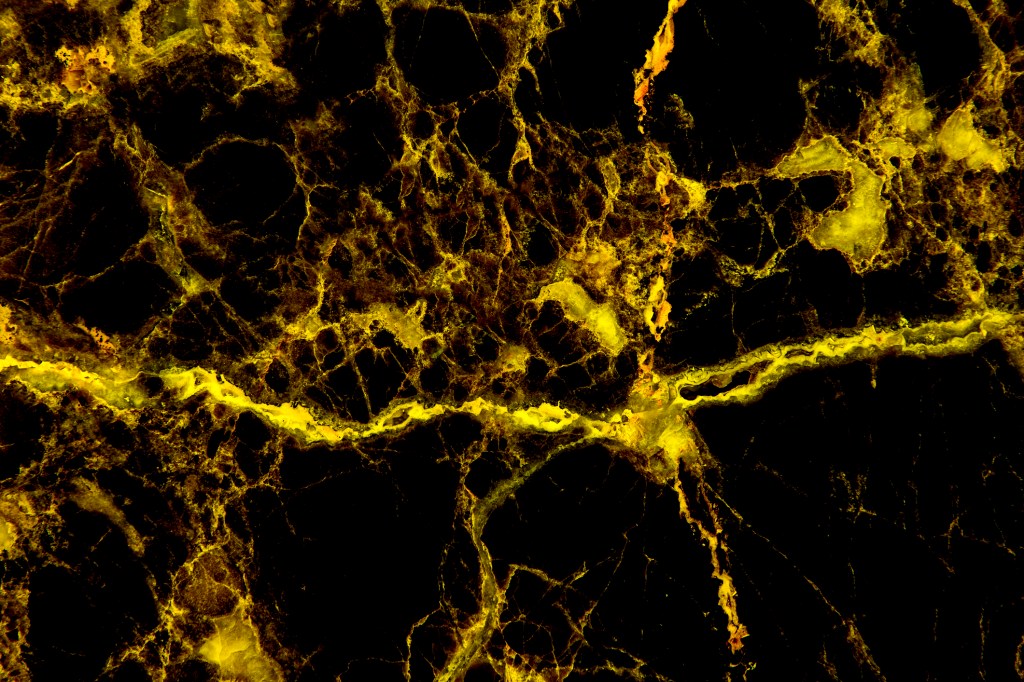
Graphic: Gold veins in a host rock.

The Hidden Gift of Hardship: How Life’s Challenges Shape Growth, Resilience, and Self-Discovery

(Note: The following is a guest post by Emilia Ross. She is a life coach who specializes in helping individuals navigate their personal and professional lives. Visit her site at Schedule-Life.com)

Growth rarely comes from comfort. The moments that test us most — uncertainty, loss, reinvention — are often the ones that shape who we become. Adversity has a way of sharpening focus, deepening self-awareness, and revealing strength we didn’t know we had. This article explores how challenge can become a catalyst for resilience — and how intentional, mindful practice can transform disorder into clarity.

TL;DR

  • Challenges are catalysts for personal evolution.
  • Resilience grows through reframing stress and uncertainty.
  • Self-discovery follows when we pause, reflect, and realign with purpose
  • Tools like gratitude, mindfulness, and community support accelerate transformation.
  • Success includes well-being, not just achievement.

Reframing Hardship: Building Strength Through Mindful Resilience

The way we interpret difficulty determines its impact. When we actively choose to develop a more positive mindset, we redefine struggle as a teacher rather than a threat. Practicing mindfulness helps us stay grounded in the present, preventing future anxiety loops. Meanwhile, expressing gratitude strengthens emotional balance and helps us perceive what remains steady amid change.

Over time, these small acts of mental realignment reshape the brain’s stress responses, making us less reactive and more adaptive. It’s not blind optimism — it’s training your attention toward what empowers rather than depletes you.

The Growth Arc of Adversity

StageChallenge ExperienceInternal ShiftResulting Strength
ShockUnexpected disruptionEmotional overwhelmAwareness of limits
ResistanceFighting circumstancesCognitive dissonanceDesire for change
AdaptationAcceptance and learningReframing failureNew coping tools
IntegrationMaking meaningResilient identityIncreased empathy and agency

According to research from the American Psychological Association, this process of stress → meaning → strength is the backbone of emotional maturity. Growth isn’t linear — it’s cyclical, returning each time life tests us anew.

Core Practices for Transformative Growth

Reflection over Reaction
Pause before judgment.
Ask: “What can this teach me about myself?”
Narrative Rewriting
Identify negative self-stories (“I failed”) and reframe them (“I learned something new”).
Use journaling or Cognitive Behavioral Therapy techniques.
Gratitude Habit
Write three things you appreciate daily.
Notice small, consistent improvements.
Connection and Mentorship
Seek out people who’ve navigated similar challenges.
Join learning communities such as Coursera or FutureLearn to expand perspective.
Mindful Movement
Practices like yoga, walking meditation, or tai chi help reset the nervous system.

How to Turn Adversity into Advantage — Step-by-Step

  1. Acknowledge Reality
     Denial delays recovery. Name what’s hard, clearly and compassionately.
  2. Reframe the Event
     Ask: How might this be preparing me for something else?
  3. Extract a Principle
     Identify one lesson or new skill gained.
  4. Anchor in Routine
     Ground yourself in simple, stabilizing habits — sleep, movement, nutrition.
  5. Create a Forward Intent
     Transform insight into action. Use it to guide your next decision.

Checklist: Measuring Your Resilience Progress

QuestionFrequencyScore (1–5)
Do I pause before reacting to stress?Daily 
Have I learned something new from a recent setback?Weekly 
Do I feel connected to supportive people?Weekly 
Am I practicing gratitude consistently?Daily 
Can I identify personal values guiding my actions?Monthly 

Scoring Tip: A total above 18 indicates strong adaptive resilience. Below 12 suggests opportunities for new supportive habits.

Product Spotlight: The “Resilience Field Journal”

One particularly effective method for reflection is structured journaling. Tools like a Resilience Field Journal — a guided notebook that combines goal tracking with emotional processing — can make abstract thoughts tangible. Journals of this type, available from Paperlike, Moleskine, and other creative brands, offer prompts that mirror evidence-based cognitive frameworks. Using such a journal helps you detect emotional patterns early and measure mental progress over time.

FAQ

Q1: Is it normal to feel worse before feeling better?
 Yes. Growth often involves temporary discomfort as old mental patterns dissolve and new ones form.

Q2: What’s the difference between toxic positivity and constructive optimism?
 Toxic positivity dismisses pain; constructive optimism acknowledges pain and uses it as information.

Q3: Can resilience be learned later in life?
 Absolutely. Neuroplasticity allows emotional adaptability at any age when deliberate practice is applied.

Q4: How long does transformation take?
 It varies. Some shifts occur in weeks; deeper identity changes may unfold over years — but consistency is key.

Q5: How do I stay motivated during ongoing hardship?
 Return to purpose. Revisit why you began. Set micro-goals, celebrate progress, and lean on community support like BetterUp or Calm.

Glossary

  • Resilience: The capacity to recover from adversity and maintain purpose.
  • Mindfulness: The practice of non-judgmental awareness of the present moment.
  • Reframing: Changing perspective to view challenges as opportunities.
  • Neuroplasticity: The brain’s ability to reorganize itself through experience.
  • Growth Mindset: The belief that abilities can be developed through effort and learning.

Conclusion

Hardship doesn’t just test who we are — it reveals what’s ready to grow. Whether through mindful gratitude, supportive relationships, or the disciplined act of reflection, every challenge holds within it the seed of renewal. True resilience isn’t about avoiding pain; it’s about transmuting it into purpose.

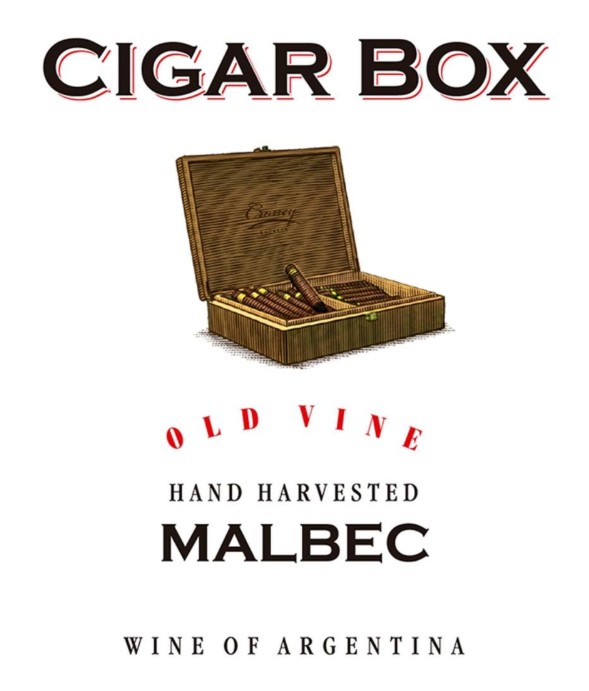
Cigar Box Old Vine Malbec 2022

Malbec from Mendoza, Argentina

Purchase Price: $13.99

Tasting Panel 93, Wine Enthusiast 85, ElsBob 89

ABV 14.5%

A dark purple wine, with aromas of red fruit and spices traveling through you at speed of wow. On the palate a rush of cherries with a smooth medium finish.

A very good fine wine at a great price. Current prices range from $12-18.

Trivia: Cigar Box Old Vine Malbec gets its name from the first winemaker’s impression of the wine. The vintner reportedly detected a subtle aroma reminiscent of a cigar box, a blend of cedarwood, spice, and aged tobacco often found in oak-aged reds. The name stuck.

Vinos de Arganza Flavium Seleccion Mencia 2021

Mencia from Bierzo, Spain

Purchase Price: $14.97

Wine Enthusiast 93, Wilfred Wong 91, ElsBob 92

ABV 13%

A concentrated dark ruby color. Aromas of black and blue fruit coupled with a hint of spice, sporting a very smooth red fruit taste and a beautiful lasting finish.

An excellent table wine at a fantastic price. Current price ranges from $10-18.

Trivia: Just southwest of Vinos de Arganza lay the largest open-pit gold mine in the Roman Empire. Known as Las Médulas, it was worked by a method called ruina montium: “wrecking of the mountains”, a form of hydraulic mining that would later see service in the gold rush days of California. As Pliny the Elder described in 77 AD, Roman engineers diverted water from the Cantabrian and La Cabrera mountains into vast reservoirs, then released it in violent surges to erode entire hillsides and expose gold-bearing sediment.

Centuries later, the same principle of hydraulic head would be artistically employed for music and water sculpture: the Fountain of the Organ at Tivoli, north of Rome, used gravity-fed water to power its jets and to also force air through the pipes of a Renaissance organ.

Pliny estimated an annual yield of 20,000 Roman pounds of gold (1 Roman pound ≈ 0.72 English pounds). Over the mine’s 250-year lifespan, from the 1st through the 3rd century AD, approximately 58 million ounces of gold were extracted. At today’s prices, that would be worth over $225 billion, a fortune that once flowed through imperial treasuries, legion payrolls, and massive Roman infrastructure projects.

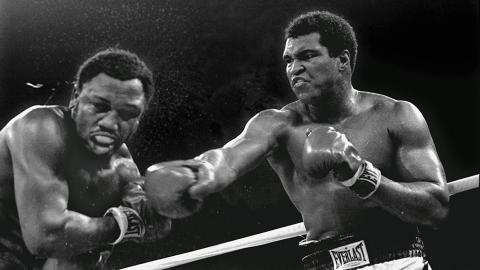
Thrilla in Manila: 50 Years On

The greatest heavyweight fight ever, likely the greatest fight, period, and certainly the most brutal was slugged out 50 years ago today in the Philippines. As it came to be known, The Thrilla in Manila between Muhammad Ali, age 33, and Joe Frazier, age 31, was their third, and final; the rubber match: Frazier took the first, Ali the second, and this was for the belt. The scheduled 15-round contest was held at the Araneta Coliseum in Cubao, Quezon City, with the temperatures reaching a roasting, exhausting, debilitating 100 degrees Fahrenheit (38 degrees Celsius).

Ali won by corner retirement (RTD), also known as a corner stoppage, after Frazier’s chief second, Eddie Futch, asked the referee to stop the fight between the 14th and 15th rounds. This bout is almost universally regarded as one of the greatest and most punishing in boxing history.

With the series tied, the third encounter in the sweltering Philippine heat drove both men to the brink of collapse. They exchanged unremitting punishment, refusing to yield, superhuman fury and drive overriding physical endurance.

Ali dazzled early and late with his patented “rope-a-dope” strategy, occasional dancing, but mostly flat-footed, measuring with the left, and delivering crunching right leads in an insolent rhythm. Frazier’s aggressive left hooks, and especially his punishing body blows, found their mark in the middle rounds, battering Ali with relentless force. By the 14th, Frazier’s eyes were nearly swollen shut, and Ali was exhausted, yet still able to summon his signature dance: bobbing, weaving, taunting with energy he no longer possessed.

After that round, Ali slumped in his corner, exhaustion permeating his entire being. He asked his trainer Angelo Dundee to cut off his gloves: a submission to body over mind. But before Dundee could act, Eddie Futch stepped in and stopped the fight. Mercifully recognizing the unprecedented brutality of the contest, Futch told Frazier, “No one will ever forget what you did here today.”  Ali later admitted, “Frazier quit just before I did. I didn’t think I could fight any more.”

Howard Cosell, ABC sportscaster for the fight commented, “A brutal, unrelenting war between two men who gave everything they had—and then some.”

The official scorecards at the end of the 14th round:

Referee Carlos Padilla: 66-60 for Ali

Judge Larry Nadayag: 66-62 for Ali

Judge Alfredo Quiazon: 67-62 for Ali

Ali summed up the fight with poignant clarity: “It was the closest thing to dying that I know of.

The final bell rang. The two fighters have gone down in history as Titans of the ring: survivors of the most brutal fight ever fought.

(Postscript: Ali and Frazier in 1975 earned about $9 and $5 million respectively for the fight: a pittance by today’s standards.)

Source: Thrilla in Manila-ABC TV fight with Howard Cosell. Watch here–  https://youtu.be/MaRNsNzqsJk  Graphic: Ali-Frazer Fight, PLN Media.