Five thousand years ago, Sumerians and Akkadians, occupying what is now southern and central Iraq, respectively, believed souls or spirits after death occupied a subterranean world called Kur or Irkalla.
All those who entered this underworld could not leave but it was not hell or heaven but more of a place to exist after death; as a ghost of your past.
There is no record that Mesopotamians in 3000 BC believed in reincarnation, resurrection, or any form or transmigration of the soul.
With many exceptions, the spirit or ghost that existed in the netherworld maintained the social status that they had when alive. Thus, kings were still kings, slaves were still slaves.
In the Epic of Gilgamesh, he and his friend Enkidu ventured into this underworld to retrieve their lost magical objects and to seek immortality. They did not find the magical objects, but they did find the Plant of Immortality but promptly lost it to a serpent, learning one of the earliest lessons for humanity: never entrust your life to a snake.
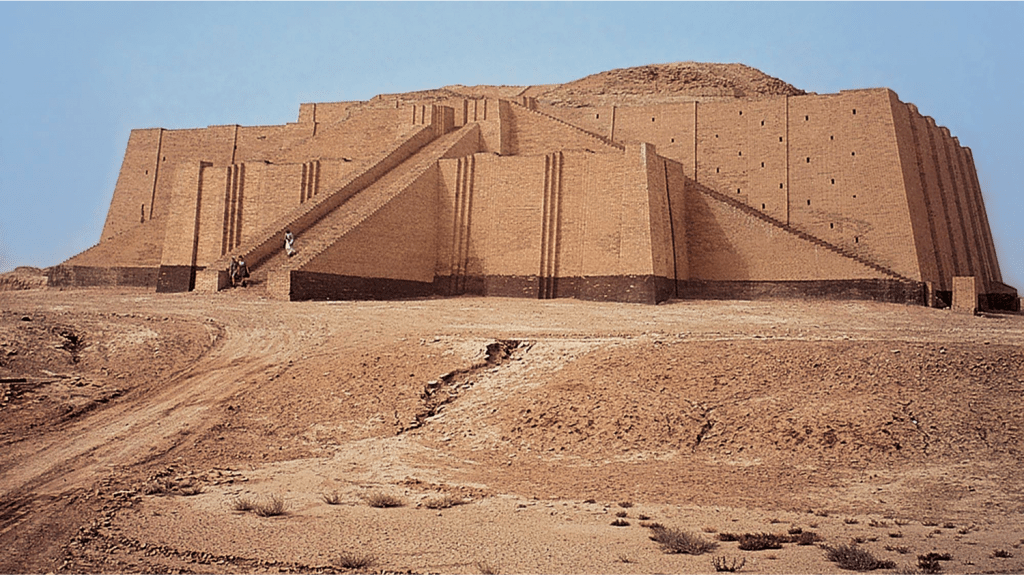
Source: Epic of Gilgamesh. Mesopotamian Beliefs by Chaksi, 2014, World History. The Afterlife by Enlightenment Journey. Graphic: Ziggurat of Ur, 21st century BC, dedicated to the Moon god Nanna.
 elsToday