The bottom of your wine bottle is more varied and interesting than one would initially expect. They come flat, convex, textured, embossed, thickened, punted, and two-tiered. As varied as Samwise Gamgee’s potato servings.
Starting with the easiest to manufacture and thus likely the cheapest is the flat bottom wine bottle. And because it doesn’t conform to historical and aesthetic traditions it’s also the rarest. The flat bottom is more likely to be encountered in the spirit world, but Aldi-Chapter and Verse and Garcon wine labels sell flat bottoms, generally to the casual wine enjoyment crowd, with wines rated as good in the 83–85-point range. Interesting enough Garcon bottles with flat bottoms are also squashed into a flat oval like a quarter mile running track, so they fit into UK letterbox openings.
Although rare, a very slight convex bottom is also used on some bottles, mostly liqueurs such as Galliano for aesthetic reasons. The bottles that employ this feature require some additional features to keep them upright on store shelves.
Textured and embossed bottoms are a common feature in the fine wine market. The textured bottoms are mainly for stability, keeping the bottle in one place on a wet surface such as bar or table. Occasionally practical details such as volume or manufacturing symbols are embossed on the bottom of the bottle, with higher end wines also adding in branding, batch numbers, and other unique marks.
Thickened bottoms are usually restricted to bottles needing extra stability when standing upright or to supply structural support for wines under pressure such as Champagne or Prosecco.
Which brings us to the ever-present punt on the bottom of almost all retail wine bottles. They have been in use for centuries creating the classic lost-to-the-past conundrum of why it was there in the first place. This forgotten history has created myriad possibilities for the small inward cone at the bottle’s base. In manufacturing the punt ensures a more consistent base plus it makes the bottle stronger. On the practical side it is theorized that the punt helps collect sediment at the bottom, improves grip on the bottle, or it helps create the illusion that the bottle has a larger volume. Then there is aesthetics, a punt just looks cool. In the end no one knows why it exists, but everyone has a theory.
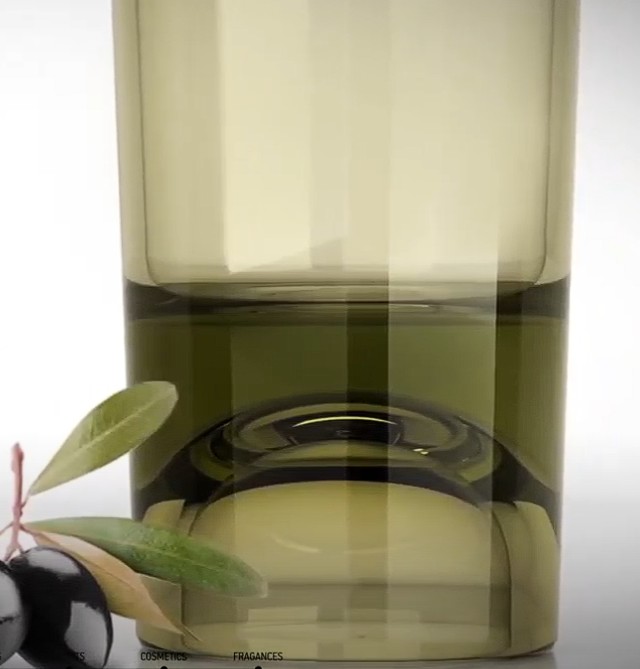
Finally, there are two-tiered bases where a flat bottom covers over the punt creating a hollow enclosed cavity. An example is the DobleAlto dual tiered base bottle that mixes and matches the order of the punt and flat bottom such as shown in the graphic where the flat bottom is above the punt. The two-tier base may have been invented for structural integrity reasons but most likely it was a way to make a product stand out from its competitors.
Getting to the bottom of bottoms is an involved process. Happy investigations and cheers.
Graphic: DobleAlto bottle from Global Package.
 elsToday