It was the year without summer. During the year 1816, temperatures in Europe were the coldest of any recorded between 1766 and 2000. Across the pond in New England frost occurred every month of the year and six inches of snow fell in June. Crops failed, food was scarce, and people died unpleasantly premature.
There was no summer that year because in 1815 the Indonesian volcano, Mount Tambora, had a fit and blew its top, more or less straight up into the stratosphere. The amount of material injected into the upper atmosphere blocked the sunlight and caused global cooling.
Meanwhile, not to let bad weather forestall important matters, Lord Bryon while vacationing in Geneva, challenged his two companions, Percy Shelly, and Mary Godwin, the soon to be Mary Shelly, to a contest of who could write the best ghost story. Lord Bryon and Percy soon abandoned the project, but Mary persevered and published her Frankenstein two years later, giving birth to the monster with no name, countless movies, myths, legends, and frightful nights for children everywhere.
In the tenth chapter of her epistolary novel, Frankenstein, or The Modern Prometheus, we finally meet her fictional monster to learn not only that it lives, but it also speaks grammatically correct King’s English. Shelly cast her monster as Lucifer from the pages of Milton’s Paradise Lost. The monster, addressing its creator, Victor Frankenstein, speaks of profound loneliness, “The fallen angel becomes a malignant devil. Yet even that enemy of God and man had friends and associates in his desolation; I am alone.”
In the end the monster wishes to die but the author leaves those matters in the reader’s hands.
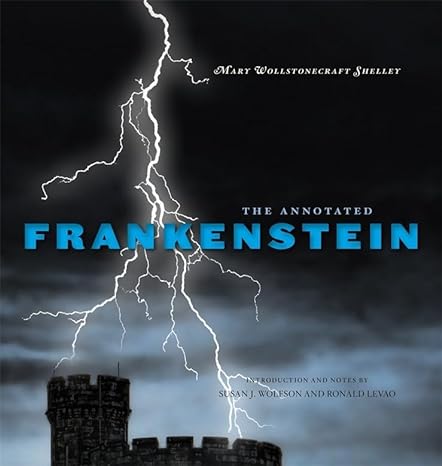
Sources Frankenstein by Mary Shelly. First published in 1818. The 100 Greatest Literary Characters by Plath et al, published 2019. Cover from a 2012 edition of Frankenstein shown below.
 elsToday