Building Confidence, Living Boldly: A Practical and Playful Guide to Becoming Your Best Self

(Note: The following is a guest post by Emilia Ross. She is a life coach who specializes in helping individuals navigate their personal and professional lives. Visit her site at Schedule-Life.com)

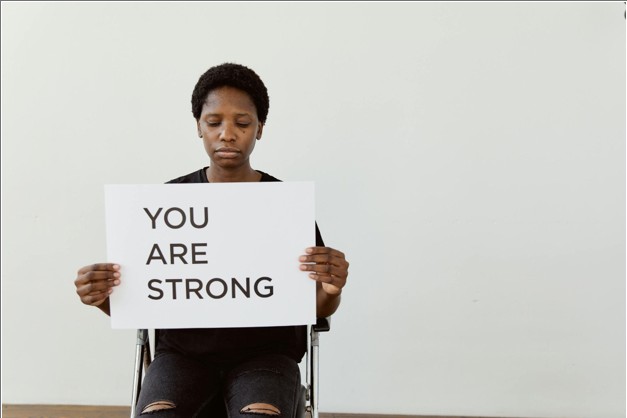
Confidence isn’t a personality trait — it’s a skill you can build. Whether you’re chasing a promotion, learning to dance, or just trying to quiet that inner critic, confidence grows from small wins compounded daily.
You don’t need to reinvent yourself. You just need to strengthen what’s already there — the habits, people, and moments that make you feel most alive.

The Takeaway
Confidence = habits + people + purpose.
Start small, speak kindly to yourself, set micro-goals, and spend more time around those who remind you who you are — not who you’re not.


How Confidence Works
Confidence grows from three layers of daily practice:

LayerWhat It MeansQuick Actions
MindTraining your thoughts to support, not sabotage you.Practice three minutes of gratitude journaling daily.
BodyMoving and nourishing yourself so your mind believes you’re capable.Go for a 20-minute walk or stretch after work.
CommunitySurrounding yourself with people who lift you.Schedule one call a week with someone positive.


FAQ – Confidence Myths Busted
Q1. Is confidence something you’re born with?
–No. It’s learned through repetition and reflection, like a muscle you strengthen over time.
Q2. What if I constantly compare myself to others?
–That’s normal. Shift from comparison to curiosity: what can you learn from them?
Q3. How do I stay confident when I fail?
–See mistakes as feedback, not failure. Every confident person has a “failure résumé.”

Step-by-Step Checklist: How to Boost Your Confidence

  1. Set one daily micro-goal.
    –Example: “Speak up once in today’s meeting.”
  2. Do something uncomfortable — on purpose.
    –Confidence grows when comfort zones shrink.
  3. Keep a “proof list.”
    –Record moments when you acted bravely or made progress.
  4. Declutter your digital world.
    –Unfollow accounts that drain you. Follow those that educate or inspire.
  5. Revisit your wins weekly.
    –Confidence thrives on reflection, not randomness

Make Connection Your Secret Weapon
Confidence isn’t built in isolation — it’s nurtured through connection. Invite friends over for a dinner, a movie night, or a simple get-together to celebrate everyday life. Spending time with people who make you laugh, listen, and care reminds you that you’re already enough.
To make your gathering special, use a free invitation maker to stand out. You can customize templates, adjust fonts, add images, and design something that perfectly matches your style. It’s easy, creative, and adds a personal touch to your confidence practice.

Helpful Tools and Resources
Here are some tools and platforms that can support your confidence journey:


Product Spotlight: The Momentum Journal
Sometimes structure helps. The Momentum Journal offers a clean, minimalist layout for tracking daily progress, gratitude, and personal wins. It’s designed to help you see your growth — a simple but powerful confidence booster. 

Seven Fast Habits for Everyday Confidence

  1. Smile at strangers.
  2. Speak slowly; it signals calm assurance.
  3. Wear something that makes you feel strong.
  4. Do one thing you’ve been avoiding.
  5. Compliment others sincerely.
  6. Stand or sit tall; posture changes perception.
  7. Celebrate small wins like big ones.

Confidence isn’t the absence of fear — it’s the courage to move forward despite it. Start small, stay consistent, and surround yourself with people and tools that help you grow. Your best life isn’t waiting for a perfect moment; it’s unfolding right now, one intentional, brave step at a time.

Managing Stress in Everyday Life: Strategies for Calm and Clarity

(Note: The following is a guest post by Emilia Ross. She is a life coach who specializes in helping individuals navigate their personal and professional lives. Visit her site at Schedule-Life.com)

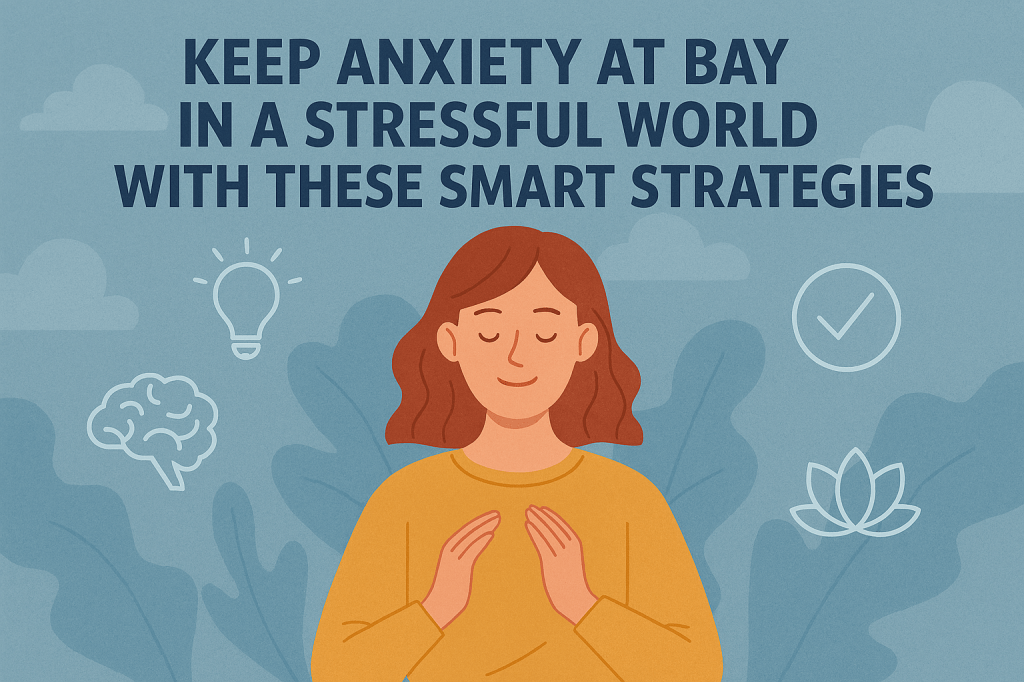
Stress is an unavoidable part of modern life, affecting everything from focus and energy to overall well-being. The good news is that with the right strategies, it can be managed — even transformed — into a source of strength and clarity. By combining mindful awareness, physical movement, and small daily rituals, anyone can reduce overwhelm and regain control. This article explores proven methods to help you create calm, build resilience, and thrive amid life’s everyday pressures.


Quick Summary

Stress is a natural signal, not an enemy. When managed through awareness, structure, and small, consistent practices, it becomes a guide to better energy and focus. Core strategies include mindful awareness, physical activity, digital boundaries, and restorative routines.


Understanding Everyday Stress

Stress arises when your perceived demands exceed your perceived capacity. While occasional stress can improve performance, chronic stress erodes resilience. Learning to interpret and respond — not just react — is key.


The Foundations of Stress Management

1. Awareness First

Recognize your triggers. Start with a simple journal or app like Daylio to log moments of tension and what caused them. Awareness precedes regulation.

2. Physical Reset

Move your body regularly. Even a 10-minute walk, yoga session on Yoga With Adriene, or quick stretch can interrupt stress loops and lower cortisol.

3. Mental Reframing

Your interpretation drives your physiology. Practices like cognitive reframing teach you to challenge unhelpful patterns.

4. Social Anchors

Stay connected. Meaningful interactions — a chat with a friend, a shared meal — activate oxytocin, a natural stress buffer. Try setting small rituals like “Sunday check-ins” or joining supportive communities.


Checklist: Daily Stress Reset Protocol

✅ Breathe deeply for 2 minutes, twice daily
✅ Take one screen-free walk
✅ Replace doomscrolling with reading or music
✅ Hydrate before caffeine
✅ Schedule downtime intentionally
✅ Reflect before bed — one gratitude note


How-To: Build a Personal Stress Management Routine

  1. Identify Your Stress Type: Physical (tension, fatigue), emotional (irritability), or cognitive (racing thoughts).
  2. Set Micro Habits: Replace “I’ll work out daily” with “I’ll stretch for 5 minutes after waking.”
  3. Design Your Calm Space: Add soothing cues — natural light, calm scents, a playlist from Spotify’s Peaceful Piano.
  4. Track Feedback: Review weekly — what helped most?
  5. Adjust: Stress evolves. So should your system.

Table: Practical Methods for Stress Regulation

CategoryStrategyTools/ResourcesFrequency
PhysicalWalking, yoga, or light exerciseYoga JournalDaily
EmotionalJournaling or gratitude writingPenzu3x per week
CognitiveBreathing and reframingCalmDaily
SocialConnect with othersMeetupWeekly
EnvironmentalDeclutter, scent therapyIKEA Home InspirationAs needed

Safe, Natural Approaches for Relaxation

Beyond conventional stress relief, several natural approaches can help stabilize your mood and improve focus:

  • Ashwagandha: A well-researched adaptogen known to lower cortisol and improve resilience.
  • THCa: Found in THCa-based wellness products, it offers calming effects without intoxication, supporting relaxation safely when used responsibly. Explore the properties of THCa distillate
  • Meditation & Breathwork: Practices like alternate-nostril breathing and guided meditations on Insight Timer balance the nervous system naturally.

Finding Fulfillment Through Growth

Sometimes, stress signals that it’s time for change. Many find renewal by investing in education or skill-building. Returning to school — especially online — allows flexible growth without overwhelming your schedule. If you work in healthcare, you can choose an online healthcare administration degree to expand leadership potential and influence systemic improvements. Online programs also offer the freedom to learn at your own pace while balancing life and work.


Spotlight: Product That Promotes Relaxation


Weighted blankets have gained traction for their deep-touch stimulation, helping reduce anxiety and improve sleep quality. Brands like Gravity Blanket are designed to emulate therapeutic pressure, creating calm for the body and mind.


FAQs

Q1: What’s the fastest way to calm down in a tense moment?
A: Try box breathing — inhale 4s, hold 4s, exhale 4s, hold 4s. Repeat for 1–2 minutes.

Q2: Can stress ever be good?
A: Yes. Short bursts can boost motivation and focus. Chronic stress, however, leads to burnout.

Q3: How much exercise is enough?
A: Even 20 minutes of moderate movement per day can lower stress hormones.

Q4: Should I eliminate caffeine?
A: Not necessarily — balance it with hydration and don’t consume it late in the day.

Q5: What’s a simple bedtime habit to improve calm?
A: Write down three things you’re grateful for — it rewires attention away from worry.


Glossary

  • Cortisol: The primary stress hormone regulating alertness and energy balance.
  • Adaptogen: A natural compound that helps the body adapt to stress.
  • Mindfulness: Non-judgmental awareness of the present moment.
  • Homeostasis: The body’s tendency to maintain internal balance.
  • Neuroplasticity: The brain’s ability to change through experience.

Managing stress is ultimately about creating balance, not chasing perfection. Small, consistent habits — from mindful breathing to intentional rest — can dramatically shift how you experience daily challenges. By recognizing your limits and building supportive routines, you strengthen both emotional and physical resilience. With practice, calm becomes less of a goal and more of a natural way of living.

Graphic: Freepik.

The Hidden Gift of Hardship: How Life’s Challenges Shape Growth, Resilience, and Self-Discovery

(Note: The following is a guest post by Emilia Ross. She is a life coach who specializes in helping individuals navigate their personal and professional lives. Visit her site at Schedule-Life.com)
Growth rarely comes from comfort. The moments that test us most — uncertainty, loss, reinvention — are often the ones that shape who we become. Adversity has a way of sharpening focus, deepening self-awareness, and revealing strength we didn’t know we had. This article explores how challenge can become a catalyst for resilience — and how intentional, mindful practice can transform disorder into clarity.

TL;DR

  • Challenges are catalysts for personal evolution.
  • Resilience grows through reframing stress and uncertainty.
  • Self-discovery follows when we pause, reflect, and realign with purpose
  • Tools like gratitude, mindfulness, and community support accelerate transformation.
  • Success includes well-being, not just achievement.

Reframing Hardship: Building Strength Through Mindful Resilience

The way we interpret difficulty determines its impact. When we actively choose to develop a more positive mindset, we redefine struggle as a teacher rather than a threat. Practicing mindfulness helps us stay grounded in the present, preventing future anxiety loops. Meanwhile, expressing gratitude strengthens emotional balance and helps us perceive what remains steady amid change.

Over time, these small acts of mental realignment reshape the brain’s stress responses, making us less reactive and more adaptive. It’s not blind optimism — it’s training your attention toward what empowers rather than depletes you.

The Growth Arc of Adversity

StageChallenge ExperienceInternal ShiftResulting Strength
ShockUnexpected disruptionEmotional overwhelmAwareness of limits
ResistanceFighting circumstancesCognitive dissonanceDesire for change
AdaptationAcceptance and learningReframing failureNew coping tools
IntegrationMaking meaningResilient identityIncreased empathy and agency

According to research from the American Psychological Association, this process of stress → meaning → strength is the backbone of emotional maturity. Growth isn’t linear — it’s cyclical, returning each time life tests us anew.

Core Practices for Transformative Growth

Reflection over Reaction
Pause before judgment.
Ask: “What can this teach me about myself?”
Narrative Rewriting
Identify negative self-stories (“I failed”) and reframe them (“I learned something new”).
Use journaling or Cognitive Behavioral Therapy techniques.
Gratitude Habit
Write three things you appreciate daily.
Notice small, consistent improvements.
Connection and Mentorship
Seek out people who’ve navigated similar challenges.
Join learning communities such as Coursera or FutureLearn to expand perspective.
Mindful Movement
Practices like yoga, walking meditation, or tai chi help reset the nervous system.

How to Turn Adversity into Advantage — Step-by-Step

  1. Acknowledge Reality
     Denial delays recovery. Name what’s hard, clearly and compassionately.
  2. Reframe the Event
     Ask: How might this be preparing me for something else?
  3. Extract a Principle
     Identify one lesson or new skill gained.
  4. Anchor in Routine
     Ground yourself in simple, stabilizing habits — sleep, movement, nutrition.
  5. Create a Forward Intent
     Transform insight into action. Use it to guide your next decision.

Checklist: Measuring Your Resilience Progress

QuestionFrequencyScore (1–5)
Do I pause before reacting to stress?Daily 
Have I learned something new from a recent setback?Weekly 
Do I feel connected to supportive people?Weekly 
Am I practicing gratitude consistently?Daily 
Can I identify personal values guiding my actions?Monthly 

Scoring Tip: A total above 18 indicates strong adaptive resilience. Below 12 suggests opportunities for new supportive habits.

Product Spotlight: The “Resilience Field Journal”

One particularly effective method for reflection is structured journaling. Tools like a Resilience Field Journal — a guided notebook that combines goal tracking with emotional processing — can make abstract thoughts tangible. Journals of this type, available from Paperlike, Moleskine, and other creative brands, offer prompts that mirror evidence-based cognitive frameworks. Using such a journal helps you detect emotional patterns early and measure mental progress over time.

FAQ

Q1: Is it normal to feel worse before feeling better?
 Yes. Growth often involves temporary discomfort as old mental patterns dissolve and new ones form.

Q2: What’s the difference between toxic positivity and constructive optimism?
 Toxic positivity dismisses pain; constructive optimism acknowledges pain and uses it as information.

Q3: Can resilience be learned later in life?
 Absolutely. Neuroplasticity allows emotional adaptability at any age when deliberate practice is applied.

Q4: How long does transformation take?
 It varies. Some shifts occur in weeks; deeper identity changes may unfold over years — but consistency is key.

Q5: How do I stay motivated during ongoing hardship?
 Return to purpose. Revisit why you began. Set micro-goals, celebrate progress, and lean on community support like BetterUp or Calm.

Glossary

  • Resilience: The capacity to recover from adversity and maintain purpose.
  • Mindfulness: The practice of non-judgmental awareness of the present moment.
  • Reframing: Changing perspective to view challenges as opportunities.
  • Neuroplasticity: The brain’s ability to reorganize itself through experience.
  • Growth Mindset: The belief that abilities can be developed through effort and learning.

Conclusion

Hardship doesn’t just test who we are — it reveals what’s ready to grow. Whether through mindful gratitude, supportive relationships, or the disciplined act of reflection, every challenge holds within it the seed of renewal. True resilience isn’t about avoiding pain; it’s about transmuting it into purpose.

Mental

One Flew Over the Cockoo’s Nest

By Ken Kesey

Penguin Group

Copyright: © 2012

Original Copyright: © 1962

AmazonPic

Kesey Biography:

Since we don’t know where we’re going, we have to stick together in case someone gets there.” Kesey

FootnoteA

Ken Kesey, who died at the age of sixty-six in 2001, was a novelist, hippie, and beatnik, tuning into the counterculture movement of the sixties that renounced materialism, institutions, and the middle-class, while embracing LSD, free-sex, and carrots. Kesey, I believe, just embraced LSD, grass, and laughs.

After finishing college at the University of Oregon–go Ducks–he moved to California and enrolled in Stanford–go Tree??–to study creative writing from 1958 to 1961 while simultaneously settling into the counterculture lifestyle gripping the area and the nation.

In 1959 he volunteered for the CIA’s LSD mind experiments being run under the code name MKUltra. These experiments were conducted at a VA hospital in Menlo Park, just northwest of Stanford. At the same time in 1959 he accepted a position as an attendant in the hospital’s psych ward, working there while tripping on LSD. He began writing One Flew Over the Cuckoo’s Nest in 1959 or 60 (various sources give different dates). In 1962 Kesey published his masterpiece. The rest is history.

FootnoteB

Later, in 1964 Kesey and his band of Merry Pranksters, a group he and others formed in the late fifties, bought an old school bus, repainted it in the pop art and comic book style of Andy Warhol and Roy Lichtenstein respectively, and took off to survey and crash the Beatnik scene in New York City. While on the road to New York they handed out LSD in various forms, it wasn’t illegal until 1966, and held street party theater for the locals. The whole experience was recorded with microphones and cameras along with several books being written afterwards about the experience.

After returning to California in 1965 Kesey was arrested for marijuana possession. Fearing prison, he faked his suicide which didn’t really fool the police and escaped to Mexico. A few months later in 1966 he was captured and sent to an honor prison camp in Redwood City, California for six months where he cleared brush and kept a diary of his experience later publishing it as Kesey’s Jail Journal: Cut the M*********** Loose.

Upon release from prison, he gave up the bohemian lifestyle, returned to Oregon, and settled down to the life of a respectable middle-aged citizen with a little acid and weed still making recreational appearances.

FootnoteC

Defending his drug use he made the point, in an interview with Charley Rose in 1992, that doing drugs was a personal decision and if your neighbor incurred no harm, then no one need be concerned. A thoroughly libertarian position not terribly different than William Buckley’s view on pot. He also denied being a mindless drug addict stating in an interview with Terry Gross, “I’ve always been a reliable, straight-up-the-middle-of-the-road citizen that just happens to be an acidhead.

One Flew Over the Cuckoo’s Nest:

The story’s narrator, Chief Bromden, a 6’6″ tall member of a Columbia River Indian tribe, is a schizophrenic patient in an Oregon psychiatric hospital, passing himself off as a deaf, mute with an agreeable disposition. Bromden forms a bond of friendship with Randle McMurphy, a new psych patient who, rather than put in a few months in at a prison work farm, convinces his jailers that he is insane so he can get transferred to a no work sanitorium with better meals. McMurphy initially finds his situation much improved and installs himself as head crazy but quickly butts heads with Nurse Ratched the chief administrator for his floor. Nurse Ratched is a humorless soul sucking battle axe who quickly realizes that she is in a clash of Titans and wits with McMurphy where the winner takes all. As in Macbeth only one king, or Queen, shall live or as Shakespeare states, “if the assassination / Could trammel up the consequence”. In today’s vernacular, the Machiavellian “when you set out to kill the king, you must kill him” and damn the repercussions is more succinct.

Literary Criticism:

One Flew Over the Cuckoo’s Nest is one of the best American novels written in the latter half of the twentieth century easily standing with Steinbeck’s East of Eden and Of Mice and Men, Hemingway’s The Old Man and the Sea, Lee’s To Kill a Mockingbird, and Bradbury’s Fahrenheit 451. Except for Hemingway’s novella they all explore good and evil within the context of human nature and its effect on one’s soul. Kesey’s book pokes and prods the reader with almost farcical battles of weak minds against strong minds. Wills of strength versus the will of the state. Occasional good against consistent evil.

Every literary device and human character flaw known has been applied to this novel, simile, metaphor, personification, action, protagonist, antagonist, conflict, allusion, imagery, climax, male chauvinism, misogynism, sexuality, sexual repression, fear, hate, violence, intimidation, dominance; it is all here, a masterpiece of storytelling that maybe only Dickens was capable of duplicating.

In Aristophanes’ play The Birds he invented the term “cloud cuckoo land” as the name for his bird utopia but in reality, it was the home for the absurd. Whether Kesey intended to imitate Aristophanes social criticism and sarcasm inherent in The Birds is not known but they both found their subject matter bizarre and ridiculous.

Mental Health and the Cuckoo’s Nest:

One Flew Over the Cuckoo’s Nest, the book, the play, the movie, likely accelerated the deinstitutionalization of mental patients in the U.S. and the world. It was a process that had already begun in the mid-fifties with the introduction of the antipsychotic drug, chlorpromazine, allowing mental illness to be treated outside of a hospital setting. In the sixties and seventies President Kennedy and California Governor Reagan were champions of providing mental health services without walls. In hindsight it should have been easily anticipated the inevitable negative consequences of such policies. Homelessness and incarceration, rampant use of illicit drugs and crime, the general breakdown of societal norms when the mentally ill were allowed to take charge of their own care without supervision. Assuming logical outcomes from illogical inputs is well–illogical.

In Virgil’s Aeneid he wrote, “facilis descensus Averno (the descent to hell is easy)” or as Samuel Johnson updated the proverb by stating, “…hell is paved with good intentions”. Today we just say the “Road to hell is paved with good intentions” and hell is a dystopian wasteland.

Kesey Bibliography:

References and Readings:

FootnoteA: Photo of Ken Kesey. Maybe copyrighted. Copyright is ambiguous. Possilby Vintage News 2017

FootnoteB: Ken Kesey’s Merry Pranksters Bus

FootnoteC: One Flew Over the Cuckoo’s Nest Starring Jack Nicholson and Louise Fletcher. Amazon Picture