The English Bill of Rights was signed into law on 13 February 1689, creating the constitutional monarchy that still exists today, albeit with the monarchy reduced to a figurehead status.
The coronation of William III and Mary II was conditional on their agreeing to the terms stipulated in the Bill of Rights, which included, among others, free speech for members of Parliament, the freedom to bear arms for self-defense, freedom from cruel and unusual punishment, and the establishment of due process.
The Bill of Rights was primarily drafted by members of the English Parliament in response to the abuses of power by King James II, who was overthrown in the Glorious Revolution of 1688.
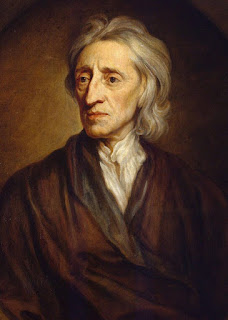
John Locke’s “Second Treatise of Government” had a significant influence on the English Bill of Rights of 1689. Locke was a proponent of natural rights, the social contract, and the separation of powers, which were foundational to the development of constitutional government. His work emphasized that government should be based on the consent of the governed and that individuals have inherent rights to life, liberty, and property.
Source: JohnLocke.net. Graphic: John Locke, 1697, Public Domain.
 elsToday