Sino Burn

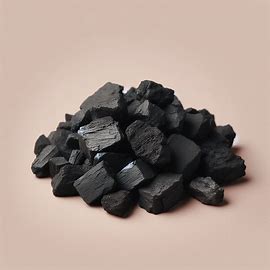
China burns more coal than the rest of world combined, equivalent to almost 92 exajoules of energy in 2023 compared to 72 exajoules for the rest of planet.

For a sense of scale 92 exajoules would power 2.4 billion average U.S. homes for a year. In 2021 it was estimated that there are 2.3 billion homes in the world.

Producing 92 exajoules from coal requires the burning of 4.38 billion metric tons of the sooty stuff. This produces a little more than 9 billion metric tons of CO2, close to 25% of all anthropogenic CO2 produced in the world in 2023.

Source: Statistica. Visual Capitalist. MIT. EPA. Architecture and Design. Graphic: Coal, AI generated.
Nitrogen and Climate:

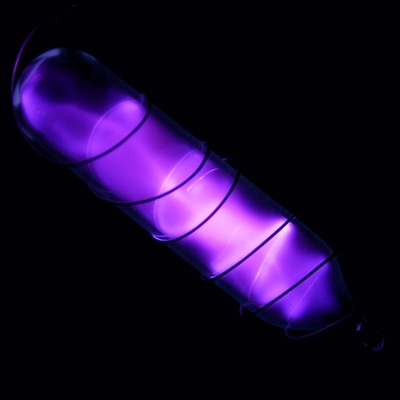
In a new Nature paper by Gong et al suggest that anthropogenic reactive nitrogen has a net cooling effect on atmospheric temperatures. Their findings imply that reactive nitrogen cools the Earth’s atmosphere by -0.34 watts per square meter. It is estimated that in the last 275 years CO2 added to the atmosphere has warmed the atmosphere by an additional 2.17 watts per square meter. Gong’s et al paper did not specify over what time period their cooling effect occurred.

Along the same lines of inquiry, in a 2009 study University of Nevada Kurt Pregitzer found that the addition of nitrogen fertilizer increased carbon capture in forest soils.

Source: Gong et al, Global Net Climate Effects of Anthropogenic Reactive Nitrogen, Nature 2024. McGlashen, Can Nitrogen Be Used to Combat Climate Change, 2009 SciAm. Graphic: Vial of glowing Nitrogen. Licensed under Wiki Creative Commons.