Journalism–Fox Butterfield

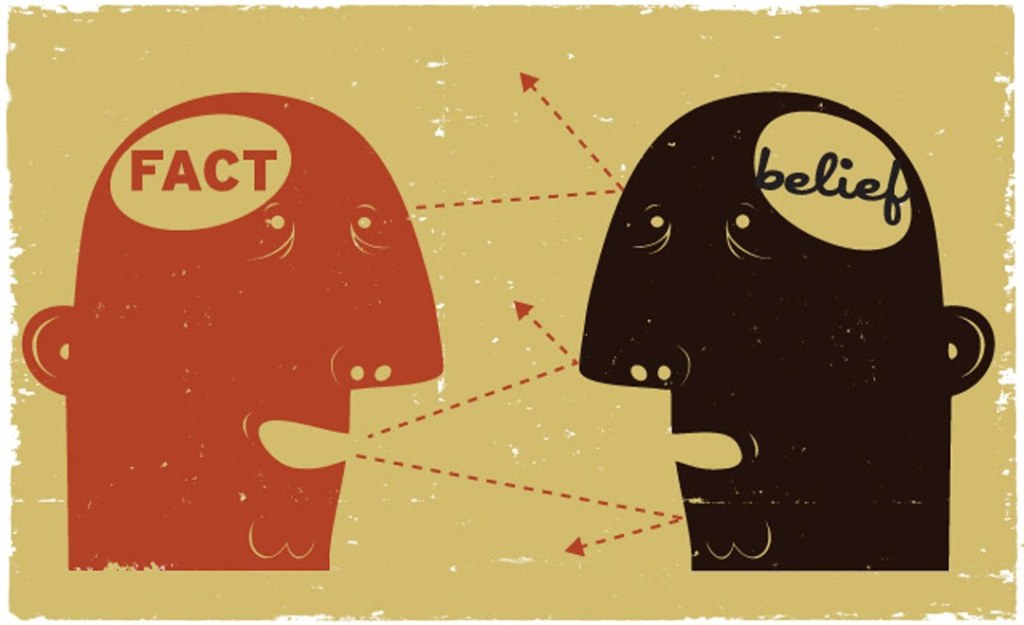
Fox Butterfield was a New York Times reporter that wrote several articles in the 1990s expressing total bewilderment about the ‘paradox’ between putting criminals in prison and the subsequent drop in crime. It wasn’t until the year 2000 that Butterfield finally started to acknowledge that locking up the criminals was responsible for the drop in crime in our streets.

James Taranto with The Wall Street Journal invented the term ‘The Butterfield Effect’ for Fox Butterfield and people in general who can’t accept facts or data that run counter to their beliefs. Another term for the ‘Butterfield Effect’ is cognitive dissonance.

Source: The Fox Butterfield Follis, Washington Examiner, 2000. Graphic: Cognitive Dissonance, de Castro, Contemplative Studies, 2020

Journalism–Christopher Newton

Christopher Newton was fired by the Associated Press in September of 2002 for creating individuals and institutions whose existence could not be verified. The A.P. could not find 45 of the journalist’s sources along with numerous institutions that he cited in his stories.

The story that brought Newton’s fabrications to light was an article on criminal justice where he postulated that a drop in crime was due to the increased incarceration of criminals. In that article he cited two individuals, Ralph Myers and Bruce Fenmore, both of whom could not be verified, and referenced an institute that was also non-existent.

In an interesting and ironic aside, his fictious creations were brought to light when a criminologist at the University of Missouri, Richard Rosenfeld, called, ironically, Fox Butterfield of the New York Times and object of ‘The Butterfield Effect’ (more on that next week) and said that he had never heard of Fenmore or Myers. Upon further inquiries Newton’s career soon came to an appropriate and ignoble end.

Source: Couldn’t Find…by Felicity Barringer, NY Times, 2002. Graphic: AI generated, 2024.